

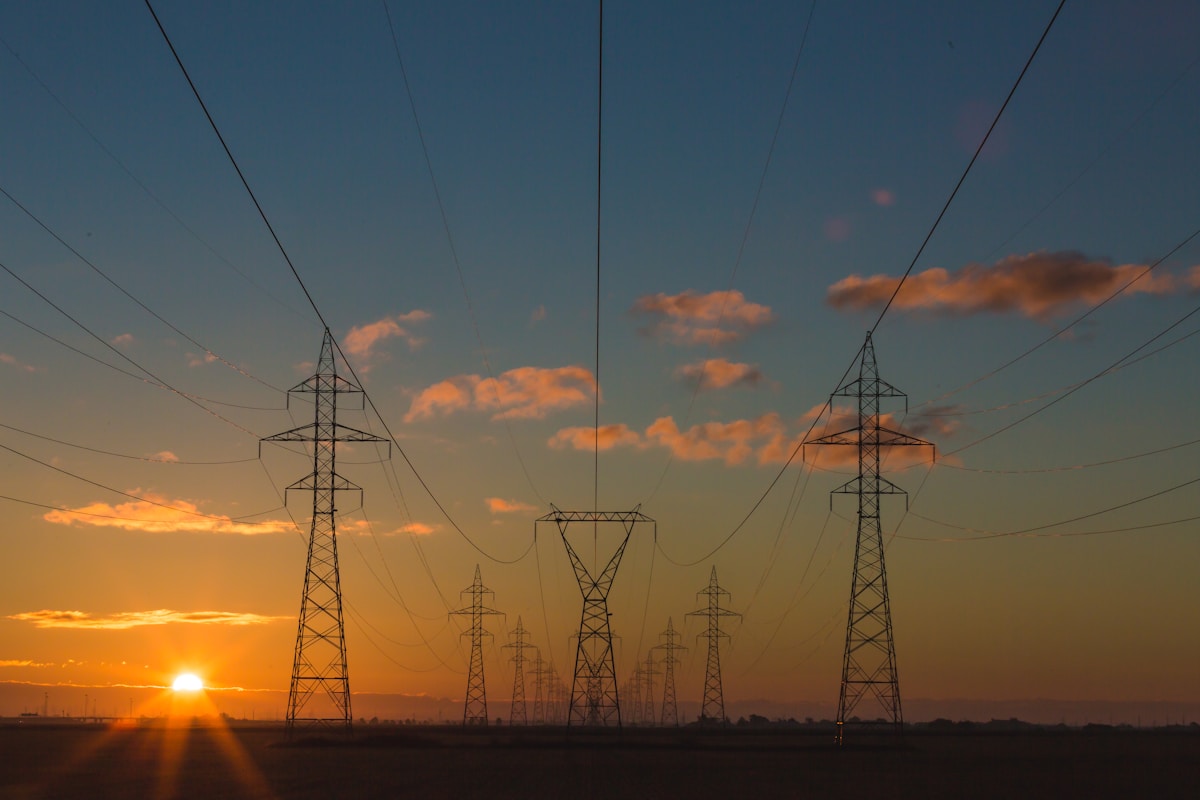
At 5 AM in cities across Pakistan, families wake not by choice but by necessity—the power has gone out again, draining backup batteries and leaving homes dark and silent. For millions of Pakistanis, this exhausting reality has become normalized, a daily reminder of infrastructure failures that successive governments have proven unable to fix.
The grinding nature of the crisis is captured in accounts from ordinary citizens. One resident describes being wide awake at dawn as the fifth or sixth power outage in ten hours drained the UPS battery backup. The electricity necessary for basic functioning—lighting, fans in summer heat, refrigeration, charging phones—disappears unpredictably throughout the day and night, making planning impossible and sleep interrupted.
Gas shortages compound the electricity crisis. In many areas, cooking gas is available only 3-4 hours per day, forcing families to time meal preparation around uncertain supply windows. The inability to cook food at home when hungry illustrates how infrastructure collapse intrudes into the most basic aspects of daily life. Combined with petrol prices reaching 368 rupees per liter, the costs of living have spiraled beyond what many families can manage.
What disturbs citizens most is not just the hardship but the normalization. Pakistan has accepted energy shortages as inevitable rather than solvable problems. The question residents increasingly ask is not when things will improve, but whether improvement is possible at all. Hope—the belief that conditions might get better—has become a scarce commodity in many households struggling to maintain dignity amid collapsing services.
The crisis reveals sharp inequalities within Pakistani society. Even as electricity cuts plunge homes into darkness and gas shortages prevent families from cooking, restaurants in cities like Lahore and Faisalabad remain packed, with customers paying over 2,000 rupees per head for meals. The contrast between those who can afford to eat out regularly and those who cannot cook at home due to gas rationing illustrates the widening gap in lived experiences.
The causes of Pakistan's energy crisis are complex and long-standing. Underinvestment in power generation and distribution infrastructure, circular debt in the energy sector, reliance on expensive imported fuels, inefficient state-owned utilities, and theft through illegal connections all contribute to the dysfunction. Successive governments have announced reforms, yet the problems persist and often worsen.
Gas shortages reflect similar structural issues. Pakistan's domestic natural gas reserves are depleting faster than new supplies come online. The country lacks sufficient import infrastructure for liquefied natural gas (LNG) to fully compensate for declining domestic production. Distribution systems suffer from leaks, theft, and inefficiency. The result is rationing that falls hardest on residential consumers while industrial and commercial users often receive preferential treatment.
The economic implications extend beyond inconvenience. Businesses cannot operate reliably without consistent power, driving manufacturing costs higher and making Pakistani exports less competitive. The informal sector—small shops, workshops, and services that employ millions—suffers disproportionately, lacking the resources for expensive backup generators. Economic growth and job creation become nearly impossible when basic infrastructure cannot be relied upon.
The brain drain accelerates as educated Pakistanis conclude that meaningful change is unlikely. The sentiment that "no one wants to stay and work in this country" reflects deep demoralization. When talented professionals and skilled workers leave, they take with them the human capital necessary for the very reforms that might improve conditions. The cycle becomes self-perpetuating.
International financial institutions and lenders increasingly condition support on energy sector reforms. Pakistan has agreed to painful measures—reducing subsidies, raising tariffs, improving collection rates—as part of IMF programs. Yet implementation remains incomplete, political will falters when reforms create public backlash, and the fundamental problems persist despite recurring crisis negotiations.
What the statistics and policy discussions often miss is the human toll of infrastructure failure. The exhaustion of interrupted sleep, the stress of unpredictable power and gas, the indignity of being unable to perform basic tasks like cooking meals or keeping food fresh, the frustration of watching restaurants thrive while one's own kitchen sits idle—these daily degradations accumulate into broader hopelessness about the country's trajectory.
In Afghanistan, as across conflict zones, the story is ultimately about ordinary people navigating extraordinary circumstances. Pakistan is not a conflict zone, but its citizens face their own exhausting challenges as basic services fail and the promise of improvement recedes. For families waking at 5 AM in darkness once again, the question is not about technical solutions they've heard promised for years—it's whether anyone in power truly understands, or cares about, the daily reality they endure.



