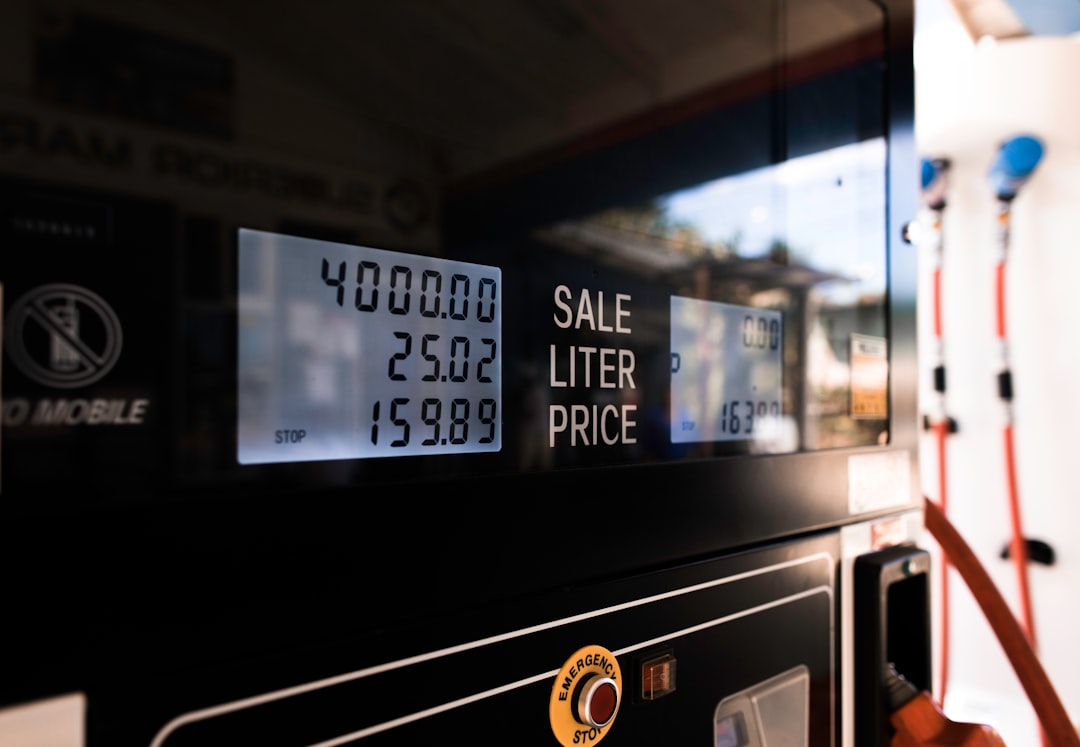
New Zealand is experiencing petrol station queues and empty pumps not from actual supply shortages, but from panic buying after the government confirmed seven weeks of fuel stocks remain in reserve.
Finance Minister Nicola Willis has repeatedly insisted supply is secure, but social media-driven anxiety has created artificial scarcity reminiscent of 2020's toilet paper crisis. There's fuel in the ground, mate - it's just all in jerry cans in people's garages.
The phenomenon has exposed a fundamental problem in crisis communication: telling people there's no shortage while they're staring at empty pumps is a hard sell. Kiwis are seeing stations run dry and concluding the government is lying, when the reality is that their neighbors are hoarding.
"We have many weeks of supply in NZ," one frustrated Wellington resident posted on social media. "The gas stations running dry is NOT a supply issue, it's a demand issue. We don't have a fuel shortage, we have entitled asshats who are taking more than they need."
The sentiment captures the dual frustration - at hoarders for creating the problem, and at the government for failing to prevent it. Prime Minister Christopher Luxon has essentially told New Zealand they're on their own, a hands-off approach that's doing nothing to calm public anxiety.
Classic Kiwi panic buying meets actual geopolitical crisis. The Iran war is real, the fuel supply disruptions are real, but New Zealand's current petrol station chaos is entirely self-inflicted. Seven weeks of reserves sounds substantial until you realize the war could last months and every panic-buying episode reduces those reserves faster than any supply disruption.
The government's messaging has been technically correct but practically useless. Yes, there are seven weeks of reserves. Yes, new shipments are coming. But when people see empty pumps, they panic. And when they panic, they hoard. And when they hoard, the pumps go empty. It's a self-fulfilling prophecy that requires more than press releases to solve.
What New Zealand needs is rationing or purchase limits, not reassurances. But that would require admitting there's a problem serious enough to warrant government intervention, and 's government seems allergic to that kind of decisive action.