New Zealand faces 'extreme risk' from national security vulnerabilities exposed by the Iran war, according to security analysts examining the country's fuel dependence and supply chain fragility.
The assessment raises fundamental questions about New Zealand's preparedness for extended global conflicts that disrupt trade routes. Geographic isolation is usually painted as safety, mate. But it's also a massive vulnerability when global shipping gets disrupted.
Seven weeks of fuel reserves sounds like a lot until you realize the Iran war could last months or years. New Zealand is discovering it's more exposed than it thought, and the panic buying at petrol stations is just the visible symptom of a deeper strategic problem.
Security analysts examining New Zealand's position argue the country has systematically underinvested in strategic reserves and supply chain resilience. The focus has been on economic efficiency - just-in-time delivery, minimal stockpiling, reliance on global markets. That works brilliantly until global markets break down.
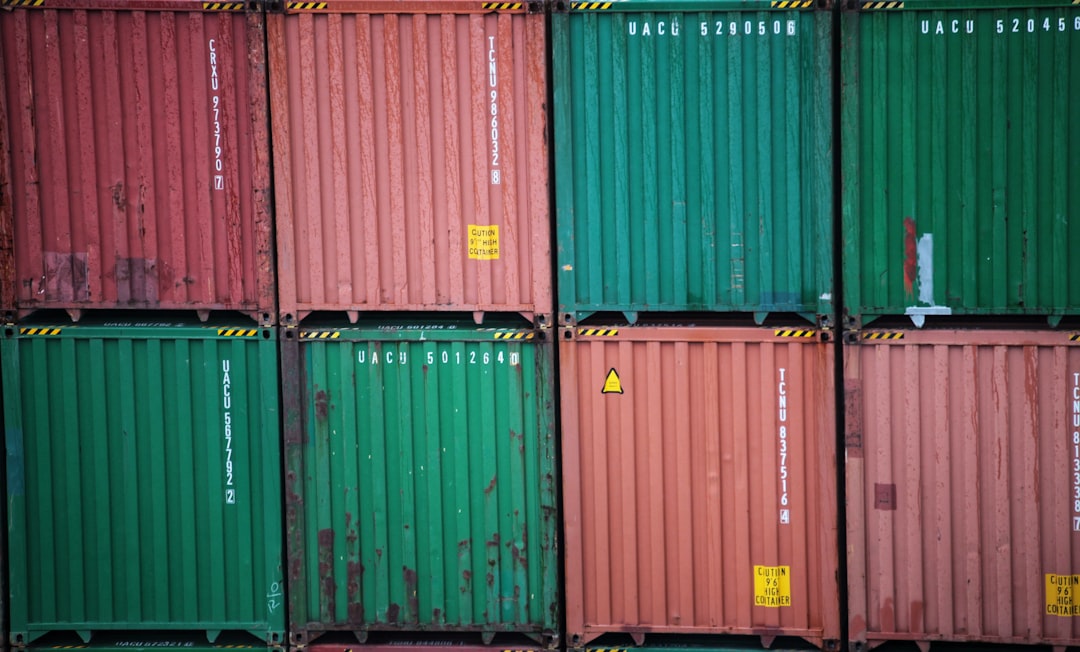
The Iran war has disrupted shipping routes through the Persian Gulf and Red Sea, forcing longer voyages around Africa and driving up costs. For New Zealand, at the bottom of the Pacific, that means delayed shipments, higher prices, and genuine supply uncertainty.
Fuel is the most visible vulnerability, but it's not the only one. New Zealand imports most manufactured goods, significant amounts of food despite being an agricultural exporter, and virtually all its petroleum products. Extended disruption to global shipping would create shortages across multiple sectors.
The "extreme risk" characterization reflects this systemic vulnerability. It's not just about fuel - it's about New Zealand's entire economic model being dependent on reliable global trade. When that reliability breaks down, the country has minimal buffers and limited domestic alternatives.