
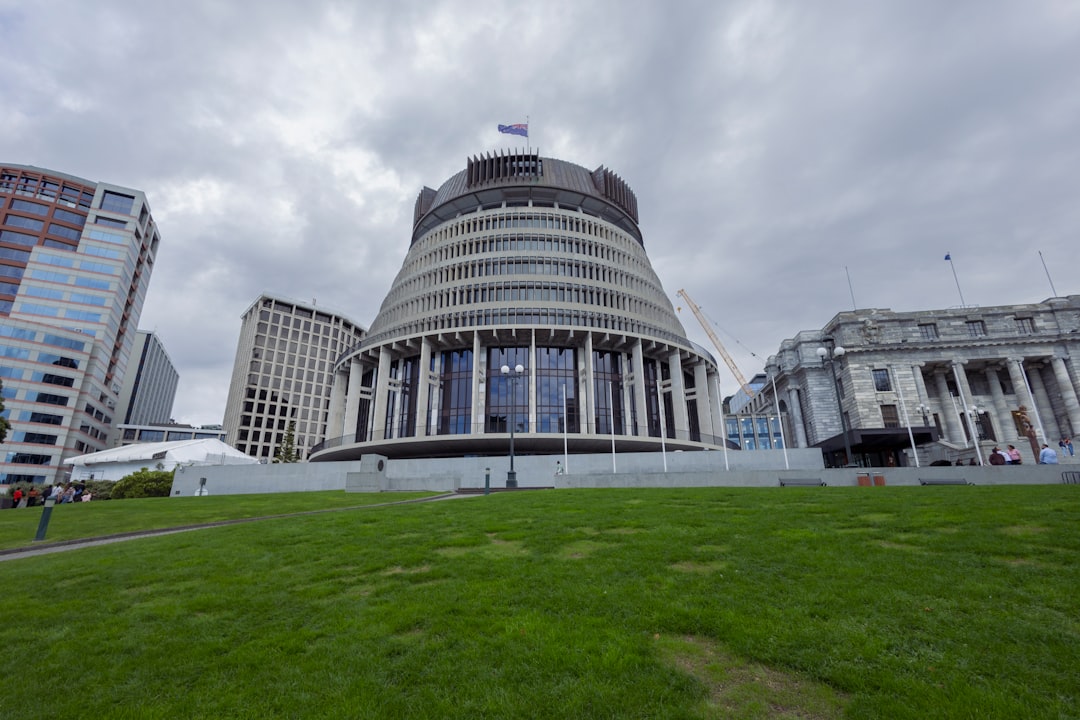
New Zealand's economy is on the brink as global oil prices spike and markets turn volatile, according to economic analysts, putting fresh pressure on the National-led government and raising questions about whether the country's small, export-dependent economy is uniquely vulnerable to global shocks.
Oil prices have surged above US$95 per barrel, driven by Middle East tensions and Iranian threats to Gulf shipping lanes. For New Zealand, which imports virtually all its petroleum products, that translates directly into higher transport costs, more expensive food, and pressure on household budgets already stretched by years of high inflation.
The New Zealand dollar has weakened against major currencies, down 4.2 percent against the US dollar in the past week alone. Stock markets have followed, with the NZX 50 shedding value as investors flee to safer assets. Business confidence indicators are flashing red.
"We're on a precipice," economist Sharon Zollner from ANZ told RNZ. "The combination of high oil prices, volatile markets, and weak domestic demand creates a perfect storm. If global conditions worsen, we're in serious trouble."
Mate, here's the trans-Tasman reality: Australia has some cushion from commodity exports and a larger, more diversified economy. New Zealand doesn't have those buffers. When global conditions deteriorate, Kiwis feel it first and feel it hardest.
The timing is particularly brutal for Prime Minister Christopher Luxon and the National-led coalition. They swept to power promising economic competence and lower living costs. Instead, they're facing an external shock that could tip the economy into recession and vindicate Labour's warnings about economic mismanagement.
Polls already show National hemorrhaging support, with the latest survey putting them at their lowest level since the election. If petrol prices spike further and unemployment rises, the political damage could be catastrophic heading into 2026.