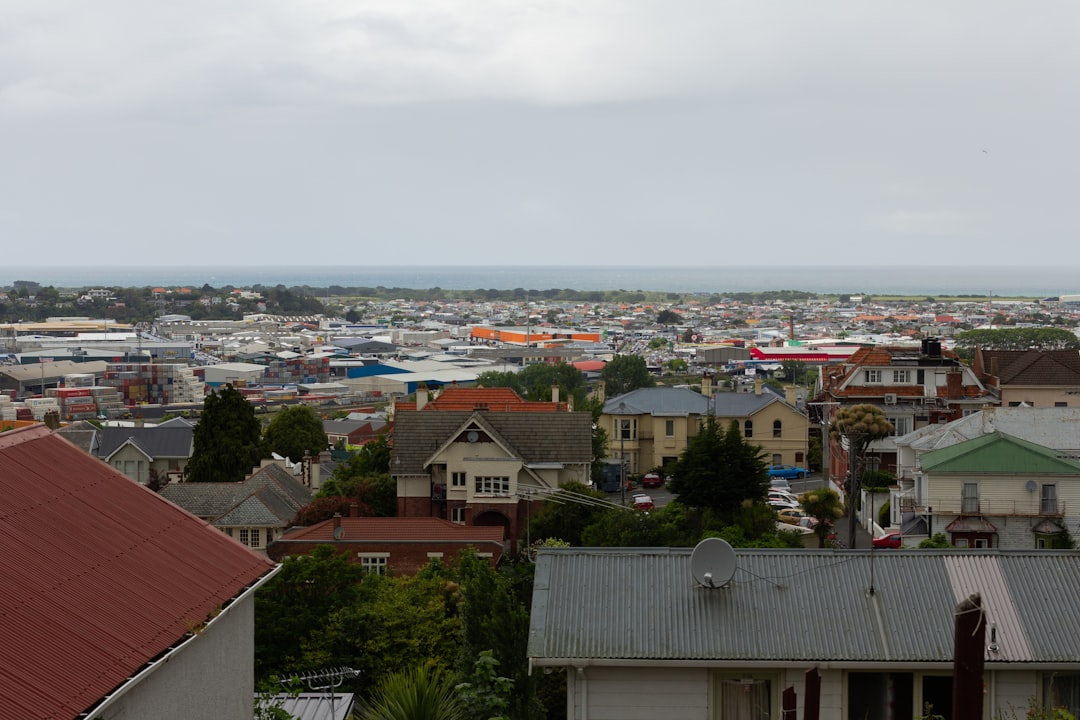
New Zealand economists are asking an uncomfortable question: has the country's economy become so dependent on rising house prices that stagnation means permanent economic malaise?
According to 1News, with property values flat and showing no signs of the rapid appreciation that characterized the past two decades, New Zealand is testing whether it can grow without a housing boom.
The answer so far isn't encouraging. Consumer spending has slowed, construction activity has dropped, and the wealth effect that drove economic confidence has evaporated. When house prices were rising 10-15% annually, homeowners felt wealthier and spent accordingly. Now, with prices flat or falling in some markets, that dynamic has reversed.
Michael Gordon, a senior economist quoted by 1News, noted that "for the most part, it was already happening" before recent data confirmed the trend. The New Zealand economy was slowing even before global economic headwinds intensified.
Mate, this is the dangerous addiction New Zealand has developed to property speculation. The entire economic model depends on houses getting more expensive every year, and when that stops, everything else grinds to a halt.
The problem is structural. New Zealand's economy has increasingly relied on housing wealth to drive growth. Residential construction, mortgage lending, real estate services, and the consumption that rising house prices enabled, all of these became outsized portions of economic activity.
But housing can't appreciate forever. Eventually, prices become so disconnected from incomes that the market stalls. New Zealand may have reached that point, especially as high interest rates and affordability constraints limit buyer activity.
The implications are severe. If the economy can't recover without rising house prices, but house prices can't rise sustainably given current income levels, then faces a fundamental economic challenge with no easy solution.