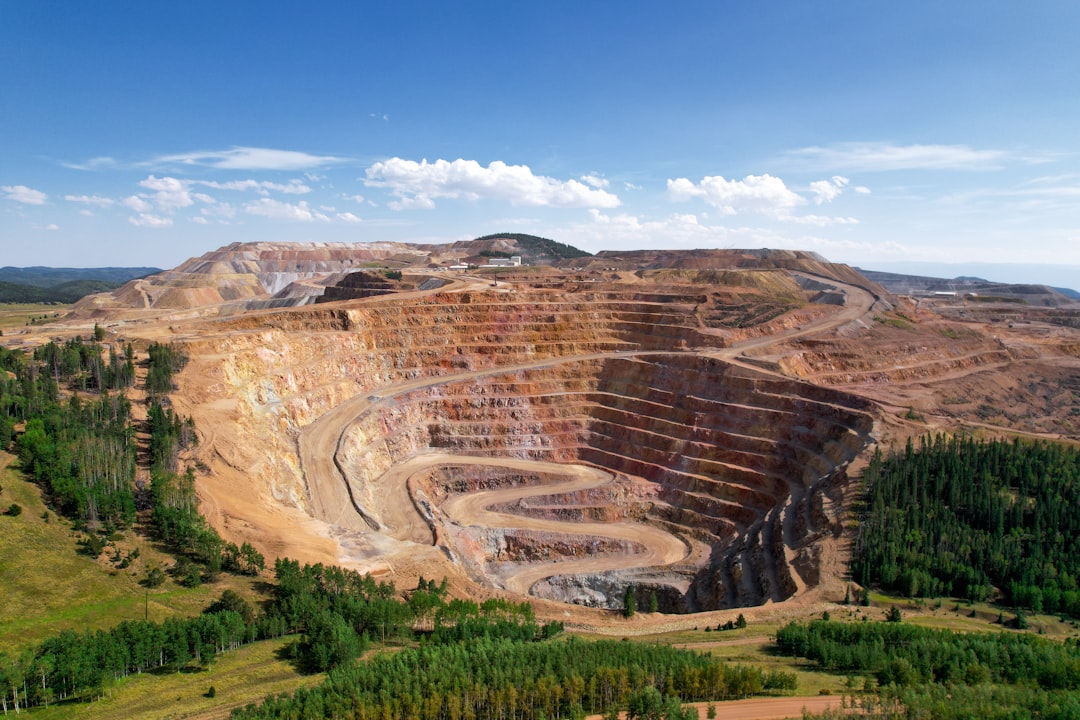

The New Zealand Court of Appeal has reversed a West Coast council's decision to hand over a public road to a mining company for 40 years. The ruling represents a significant check on local government deals with extractive industries and could set precedent for similar arrangements across New Zealand.According to The Post, the Court of Appeal found the council had exceeded its powers in granting such a long-term arrangement over public infrastructure.Small councils cutting dodgy deals with mining companies, finally getting overturned. This is about local democracy versus corporate interests - and the court just sided with the public. Rare good news for accountability.The case involved a West Coast council granting a mining company exclusive use of a public road for four decades. The arrangement would have effectively privatized public infrastructure for the duration of the mine's operation, preventing or restricting public access.Such deals aren't uncommon in resource-dependent regions. Mining companies argue they need certainty and exclusive access to transport ore safely and efficiently. Councils in economically struggling areas see mining projects as opportunities for rates revenue and jobs, making them willing to accommodate company demands.But the Court of Appeal found the council lacked legal authority to grant such a long-term arrangement. Public roads are meant to serve the public, and councils can't simply hand them over to private interests for extended periods without proper legal authorization.The ruling is significant for several reasons. First, it clarifies the limits of council powers in dealing with extractive industries. Second, it establishes that corporate interests don't automatically trump public access to infrastructure. Third, it could encourage challenges to similar arrangements elsewhere in New Zealand.The West Coast has been at the center of New Zealand's mining debates for years. The region has high unemployment, limited economic diversification, and a history of extraction industries from coal to gold. That economic dependence creates pressure on councils to accommodate mining companies.But it also creates conditions for poor decision-making, where councils agree to arrangements they shouldn't because they feel they have no choice. The Court of Appeal ruling suggests there are limits to that accommodation, and councils can't simply give away public assets to serve corporate interests.For communities across New Zealand dealing with extractive industries, the ruling is a reminder that courts can check corporate power when councils won't. It's rare good news for accountability in a landscape where mining companies often get what they want.Whether this ruling actually changes behavior on the ground remains to be seen. But at least there's now clear legal precedent that public roads remain public, even when councils would prefer to hand them to mining companies for 40 years.
|