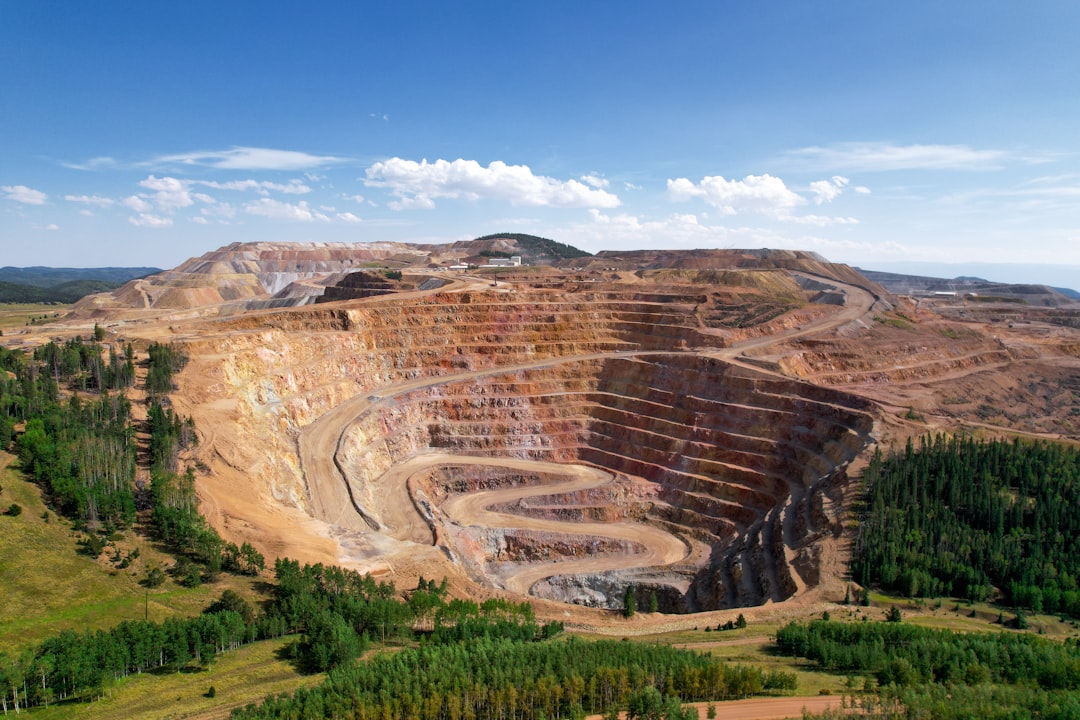
Actor Sam Neill says supporters of a controversial goldmine near his Central Otago vineyard have threatened him with violence. The Australian company Santana Minerals' Bendigo-Ophir project faces opposition over environmental impacts, including the potential killing of 650,000 lizards, and is being fast-tracked under the government's controversial new approvals process.According to The Guardian, Neill has become a prominent voice against the project, which would operate near his Two Paddocks vineyard in one of New Zealand's most scenic regions.Fast-track approvals bringing Australian mining companies into NZ, environmental carnage, and now threats of violence. Shows how the Luxon government's development-at-any-cost approach is creating conflict. Worth noting it's an Aussie company.The Bendigo-Ophir Gold Project is being proposed by Santana Minerals, a company listed on the Australian Securities Exchange. The project would involve open-pit mining in Central Otago, a region known for wine production, tourism, and conservation values.Environmental assessments flagged that the project would have "significant" impacts on lizard populations, potentially killing up to 650,000 individual lizards. New Zealand has unique lizard species found nowhere else, making the scale of the potential impact particularly concerning to conservationists.The project is being considered under the Fast Track Approvals Act 2024, introduced by the Luxon government to speed up resource consent processes for major projects. Critics argue the law removes important environmental safeguards and community consultation rights.Neill, who has lived in New Zealand for decades and owns a vineyard in the region, has used his public platform to oppose the mine. The threats he's received highlight how polarized the debate has become between those prioritizing economic development and those concerned about environmental and community impacts.The dynamics are familiar to anyone who's watched mining conflicts in Australia. An overseas company wants to extract resources, promises jobs and economic benefits, encounters local opposition, and the debate becomes toxic. The New Zealand context adds its own wrinkles - a small country with strong environmental values, but also economic pressures and a government committed to accelerating development approvals.For Central Otago residents, the question is whether short-term mining jobs are worth long-term environmental and reputational damage to a region built on clean, green tourism and premium wine production. For Neill, the threats represent how ugly these debates can become when development interests clash with conservation and community values.The Bendigo-Ophir project will test both the fast-track approvals process and New Zealand's willingness to prioritize development over environment. And apparently, some people are willing to threaten violence to make their point.
|