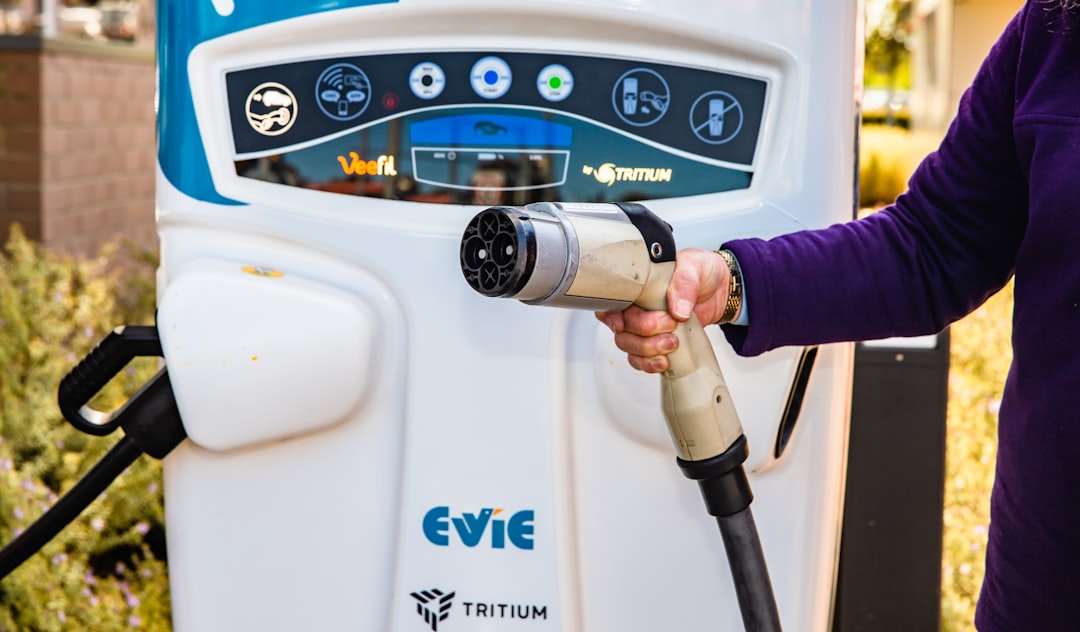
New Zealand has announced a $52.7 million investment to more than double the country's public electric vehicle charging infrastructure, addressing one of the key barriers to EV adoption: range anxiety.
The government will provide zero-interest loans to ChargeNet and Meridian Energy, which combined with $60 million in private capital will deploy 2,574 new charging points across the country. That includes 1,374 DC fast chargers and 1,200 AC chargers—bringing the national total from roughly 1,800 chargers to around 4,550.
Transport Minister Chris Bishop announced the plan alongside Finance Minister Nicola Willis and Energy and Climate Change Minister Simon Watts. "About half the new chargers will be spread across Auckland, Hamilton, Tauranga, the Wellington region, Christchurch, and Dunedin, with the other half throughout the regions," Bishop said.
The distribution is crucial. New Zealand currently has one of the lowest charger-to-EV ratios in the OECD, making long-distance travel in an electric vehicle a nervous proposition for many Kiwis. The new chargers aim to create a reliable network that covers both urban centres and regional routes.
But here's the reality check, mate: the government has committed to deploying 10,000 chargers by 2030, and Bishop acknowledged that target remains "ambitious" and will require additional Crown investment through future budgets. This $50 million package gets New Zealand to roughly 4,550 chargers—less than halfway to the 2030 goal.
Still, it's a meaningful step. Zero-interest loans reduce the financial risk for charging network operators while leveraging private capital to stretch public dollars further. The model makes commercial sense: as EV adoption grows, charging infrastructure becomes more profitable, eventually standing on its own without government support.