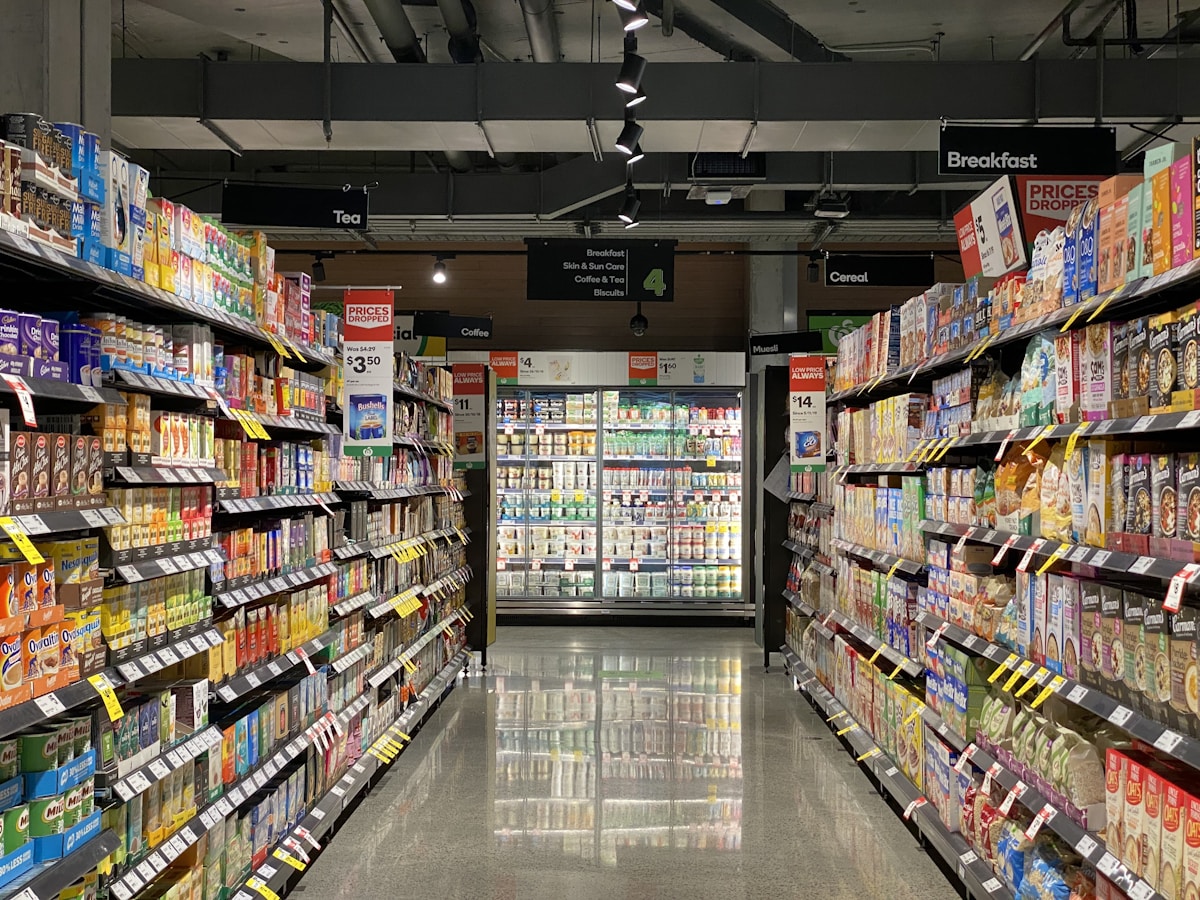
The New Zealand government has quietly shelved plans to break up the country's supermarket duopoly, delivering a victory to Woolworths and Foodstuffs and leaving consumers to wonder when—or if—grocery prices will ever come down.
Commerce Minister Andrew Bayly confirmed the decision, saying the government had decided against pursuing structural separation of the two companies that control roughly 85 percent of New Zealand's grocery market. Instead, the government will focus on "encouraging competition" through regulatory measures and supporting new entrants to the market.
Mate, that's code for "we're not going to do anything meaningful, and we hope you don't notice."
The decision marks a dramatic retreat from recommendations made by the Commerce Commission in 2022, which found that the lack of competition in New Zealand's grocery sector was costing consumers an estimated $1 million per day. The Commission had suggested that structural changes—potentially including forcing the major chains to divest stores or split their operations—might be necessary to create genuine competition.
But the new National-led government, which took office in late 2023, has taken a markedly different approach. Rather than pursuing divestment, officials say they'll rely on making it easier for competitors to enter the market by streamlining planning processes and reducing regulatory barriers.
"We believe the best way to bring down prices is through competition, not government intervention," Bayly said. "Breaking up successful New Zealand businesses would create uncertainty and could actually harm consumers."
That argument doesn't sit well with consumer advocates, who point out that New Zealand's grocery prices are among the highest in the developed world. A standard basket of groceries costs roughly in or than in comparable cities, despite lower wages and a higher cost of living.