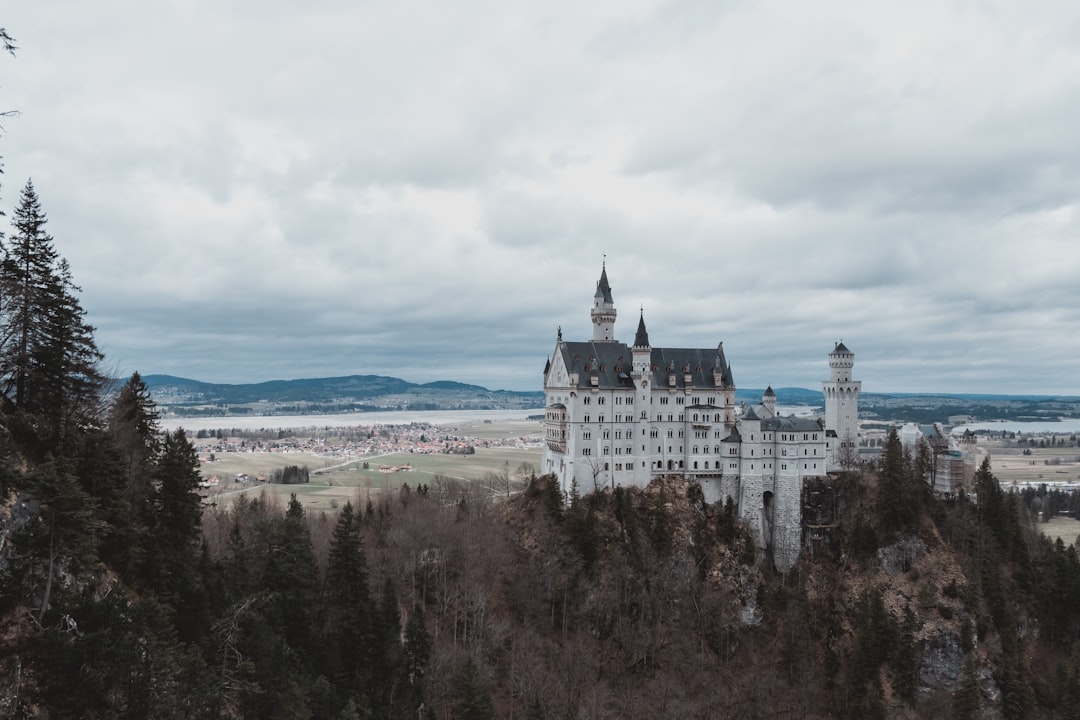
Even Bavarians skip Neuschwanstein Castle - it's "where foreign tourists go," not where locals spend weekends. The fairy-tale fortress perched above Hohenschwangau has become so synonymous with overtourism that Germans themselves dismiss it as too crowded, too commercial, too Instagram.
Then a native Bavarian actually visited. Verdict: everyone's wrong, including the locals.
"I was extremely surprised in a positive way," noted the traveler who accompanied their Spanish husband to the castle in late April. Despite gorgeous weather, crowds remained manageable and "it never felt overcrowded."
The landscape delivered on its reputation - the combination of castle, mountains, and nearby lake proved "indeed extremely picturesque." But the real revelation came from understanding the history behind the architecture.
Neuschwanstein doesn't make sense without its neighbor, Hohenschwangau Castle, where King Ludwig II grew up. The latter features walls depicting German sagas and myths that deeply influenced the young king's romantic imagination. That childhood obsession with Germanic legends directly inspired Neuschwanstein's design.
"Not only were the interiors a fantastic view into 19th century royal living," the visitor noted, "they also explained how King Ludwig II grew up and was strongly influenced by the German sagas and myths depicted on the walls of the castle."
The key insight: Book tours for both castles and visit them in sequence - Hohenschwangau first, then Neuschwanstein. The narrative arc transforms what could be a superficial Instagram stop into a genuine understanding of one of 's most eccentric monarchs.