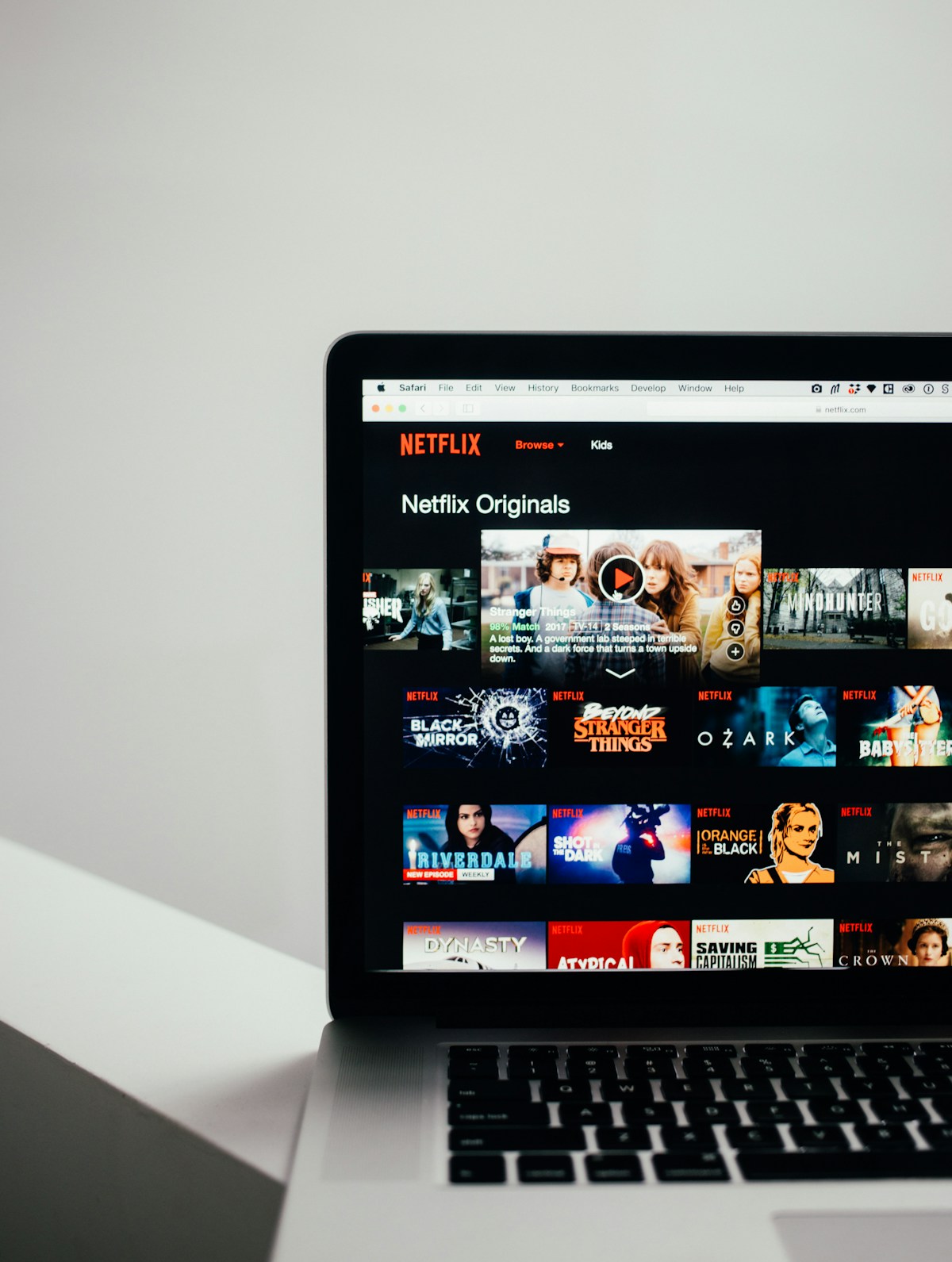

The Department of Justice has officially opened an antitrust investigation into Netflix's proposed $72 billion acquisition of Warner Bros. Discovery, with federal investigators asking pointed questions about the streaming giant's leverage over producers and filmmakers.
According to Deadline, the DOJ is specifically probing whether the combined entity would create a monopoly in the streaming market and how Netflix currently uses its market dominance to extract favorable terms from content creators. Federal investigators have reportedly reached out to producers and filmmakers to gather testimony about their experiences negotiating with Netflix.
This is where things get interesting for the creative community. In Hollywood, nobody knows anything—except that Netflix has become increasingly difficult to say no to. When you control that much of the streaming audience, "take it or leave it" becomes a viable negotiation strategy.
The investigation comes as Netflix already commands roughly 260 million subscribers globally, and adding Warner Bros. Discovery's Max platform (with its 110 million subscribers) would create a streaming behemoth with unparalleled market power. More importantly for creators, it would consolidate control over theatrical windows, licensing terms, and backend participation—the kind of financial structures that determine whether filmmakers actually see money from their work.
Here's what the DOJ is really asking: If Netflix-Warner Bros. becomes the only buyer big enough to greenlight your $200 million sci-fi epic, do you still have negotiating power? If they own the biggest streaming platform and a major theatrical distribution arm, can they dictate whether your film gets a proper theatrical release or gets dumped straight to streaming?
The answer increasingly appears to be no, which is precisely why antitrust regulators are paying attention.
For context, this would give the merged company control over HBO, Warner Bros. film and TV studios, DC Entertainment, , and Netflix's entire original content operation. That's not just market dominance—that's the ability to reshape how content gets made, distributed, and compensated.