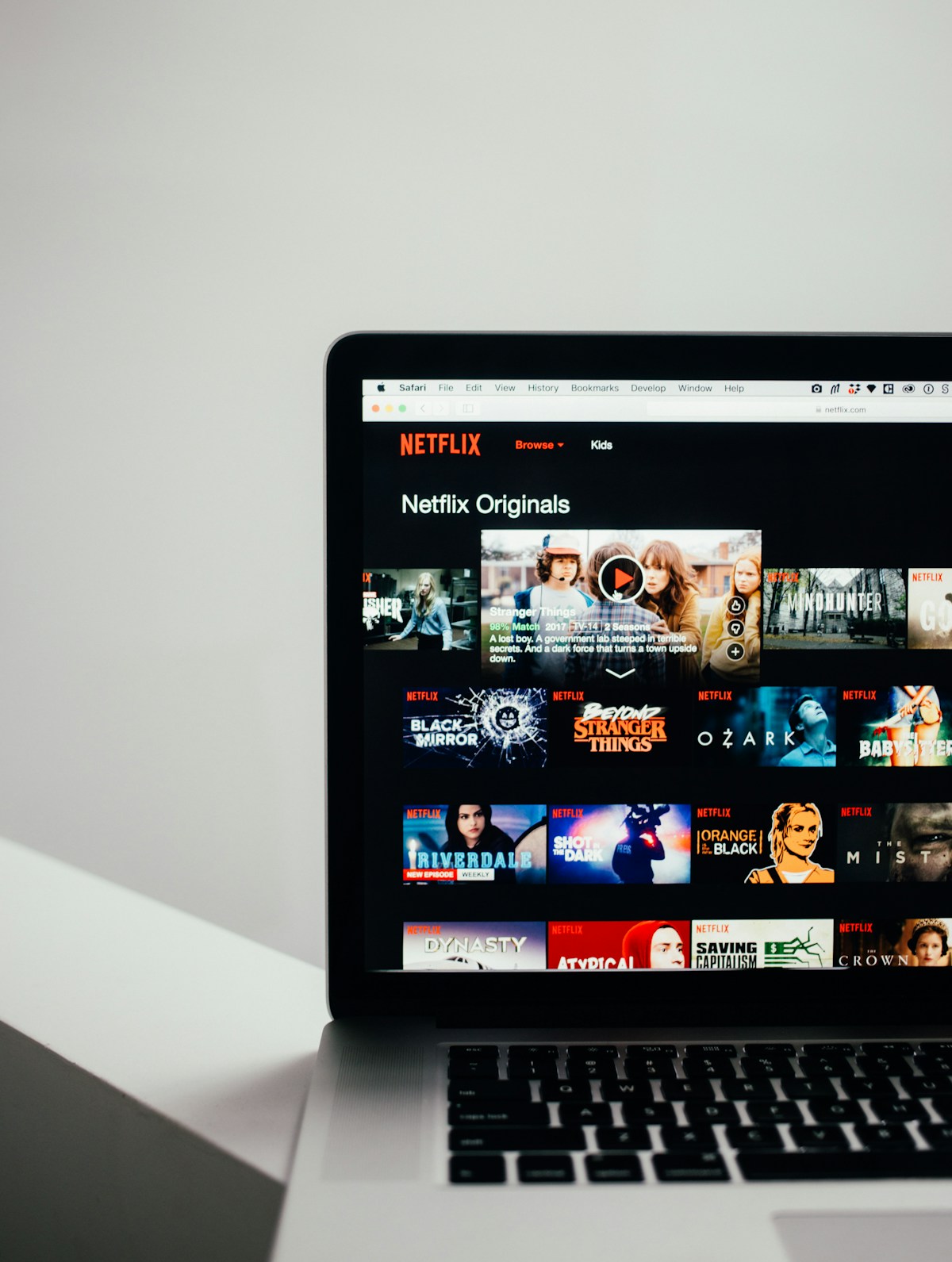

Netflix has cracked the code that has eluded studios for decades: how to adapt anime without pissing off everyone. One Piece Season 2 just dropped to a 9/10 from IGN, glowing reviews across the board, and actual enthusiasm from fans of the source material. For a platform that previously gave us the catastrophic Cowboy Bebop and Death Note adaptations, this is nothing short of miraculous.
So what changed? Why does One Piece work when so many live-action anime adaptations fail spectacularly?
First: budget and respect. Netflix reportedly spent over $17 million per episode on One Piece, treating it like prestige television rather than a cheap nostalgia play. The production design is exquisite, the costumes are faithful without being cosplay-cringe, and the VFX work—particularly for Chopper, the adorable reindeer doctor—is genuinely impressive.
Second: faithfulness to the source. Previous adaptations tried to "ground" or "reimagine" anime for Western audiences, stripping away the tonal weirdness that made the originals special. One Piece embraces the absurdity. Characters wear ridiculous outfits. The world is cartoonishly over-the-top. The show trusts that audiences are sophisticated enough to accept stylized storytelling.
Third, and most importantly: collaboration with the original creators. Eiichiro Oda, the manga's creator, is directly involved in the adaptation. That's not a courtesy credit—he has actual creative control. The show succeeds because it's made with the people who understand the material, not despite them.
Compare this to Cowboy Bebop, which Shinichirō Watanabe had minimal involvement with and which was canceled after one season. Or , where the original creators left due to creative differences and the result was... fine? But not beloved.