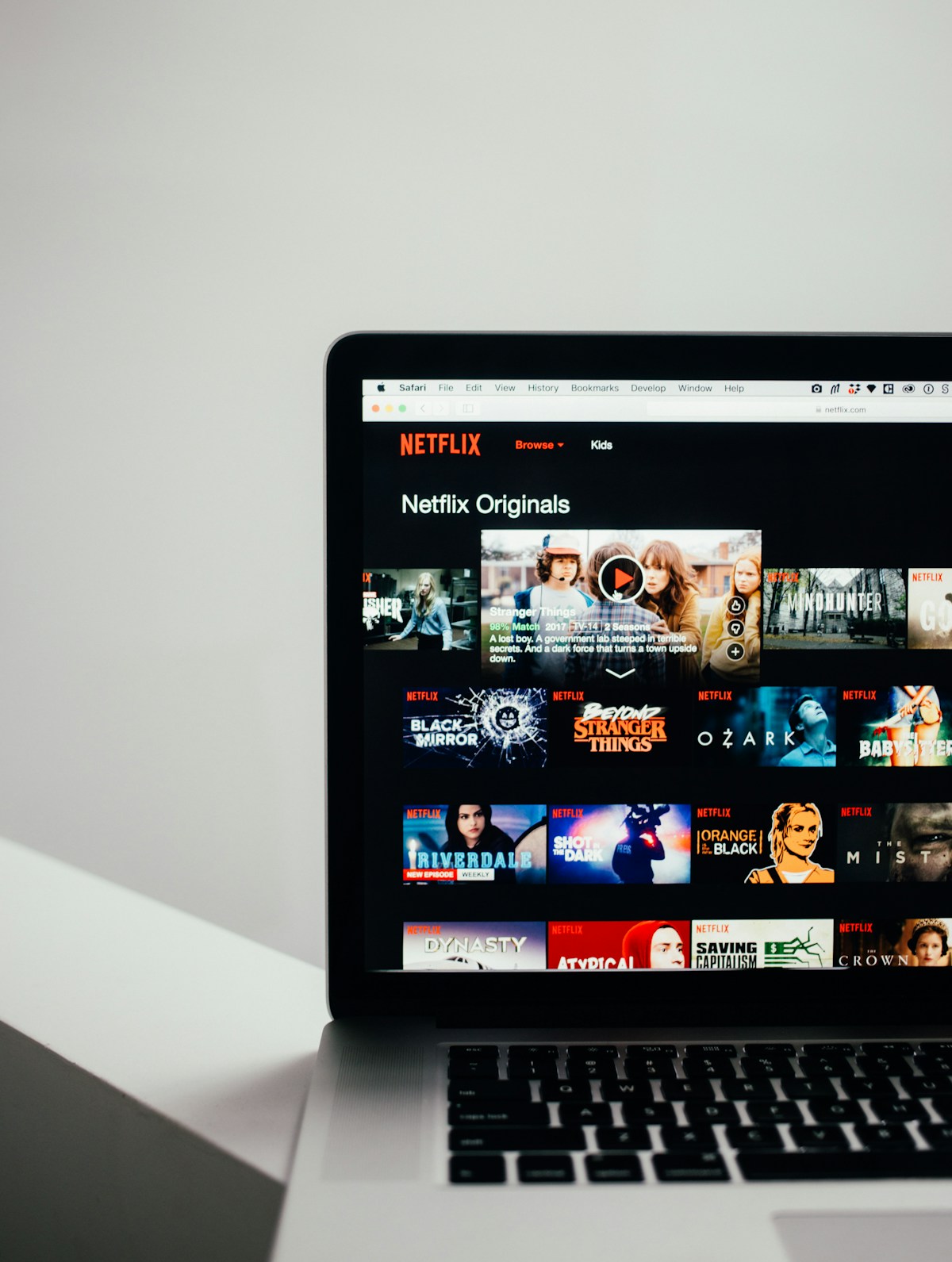
In a stunning demonstration of South Korea's evolving cultural soft power, KPop Demon Hunters—a supernatural action film blending Korean musical traditions with Hollywood-style spectacle—has become Netflix's most-viewed movie of all time, accumulating over 680 million viewing hours in its first month and reaching number one in 92 countries.The film's record-breaking success represents more than commercial triumph. It signals a fundamental shift in how Korean cultural exports are reshaping global entertainment, moving beyond K-pop music and Korean dramas to create hybrid storytelling formats that draw from Korean cultural DNA while speaking to universal audiences."We weren't trying to make a Korean movie for the world," co-director Maggie Kang explained in an interview with Bloomberg. "We were trying to make a global movie using Korean elements. There's a crucial difference. The first approach limits your audience to people curious about Korea. The second approach uses Korean culture as a creative advantage to tell stories that resonate everywhere."Kang, a Korean-American filmmaker who previously worked on Marvel productions, bet her career on the project when major Hollywood studios passed on the script. They deemed it too culturally specific, too musically driven, and too risky for mainstream audiences. Netflix, already committed to Korean content after the global success of Squid Game and The Glory, greenlit a $95 million budget—the streaming giant's largest investment in a Korean-language film.The gamble paid off spectacularly. KPop Demon Hunters follows a disbanded K-pop group that reunites when they discover their synchronized dance performances accidentally open portals to a demon realm. To close the portals and save Seoul, they must master ancient Korean musical traditions—pansori epic chanting, samulnori percussion, and gayageum zither—while incorporating them into their modern K-pop choreography.The premise sounds absurd on paper, but Kang's execution transformed potential kitsch into genuine mythology. Working with traditional Korean musicians and contemporary K-pop choreographers, the film created musical battle sequences that feel simultaneously ancient and futuristic, grounded in Korean cultural heritage while pushing visual and sonic boundaries."The communal power of music is central to Korean culture," noted. "Whether it's pansori performers and their audiences, or K-pop concerts where 50,000 fans sing in perfect unison, there's this belief that synchronized musical performance creates something larger than the sum of its parts. We made that belief literal—in our film, music isn't just entertainment, it's ."The film's global resonance surprised even its creators. While Korean audiences appreciated the deep cultural references—the demons are based on traditional Korean folklore creatures like dokkaebi and gumiho—international viewers connected with the universal themes: friendship, redemption, and the power of art to transform reality. The film's climactic battle sequence, set to a fusion of Beethoven's Ninth Symphony and traditional Korean folk songs, has spawned countless TikTok recreations and fan covers.In Korea, as across dynamic Asian economies, cultural exports and technological leadership reshape global perceptions—even as security tensions persist. represents the next evolution of Korean soft power, moving beyond exporting existing cultural products to creating new hybrid formats that leverage Korean creativity as a competitive advantage in global entertainment markets.The film's financial success has already triggered a Hollywood response. Major studios that previously relegated Korean cinema to the category are now developing Korean-Western fusion projects, hiring Korean directors for mainstream franchises, and investing heavily in Korean production infrastructure. herself has been tapped to direct a Disney+ series blending Korean historical fantasy with Marvel-style superhero storytelling.Korean cultural officials have embraced as validation of their long-term investment in creative industries. Since the 1990s, the South Korean government has strategically supported cultural exports—initially through direct subsidies, later through infrastructure development and international promotion. The strategy has transformed Korea from a cultural importer to a cultural powerhouse, with Korean Wave content now generating over $12 billion annually in global exports. said , director of the Korea Creative Content Agency. "It's about establishing Korean creativity as a global standard. When audiences worldwide watch , they're not thinking 'this is interesting for a Korean film.' They're thinking 'this is the most exciting thing I've seen this year.' That perceptual shift is invaluable."The film's success has also generated unexpected diplomatic dividends. At a time when faces complex geopolitical challenges—managing relations with , balancing between and , competing with economically—soft power through entertainment creates positive associations that complement traditional diplomatic efforts.Cultural diplomacy experts note that global audiences who engage with Korean content develop more positive perceptions of the country and greater interest in Korean perspectives on international issues. said , the Harvard political scientist who coined the term For , the film's record-breaking performance validates a creative philosophy she's advocated throughout her career: that cultural specificity, rather than cultural neutrality, is what resonates globally. she reflected. "But , , and now prove the opposite. Audiences worldwide are hungry for stories that feel authentically rooted in specific cultures while exploring universal human experiences."The film's impact extends beyond box office metrics. Korean traditional musicians have reported surging interest in their art forms, with gayageum and pansori classes seeing enrollment increases of over 300% since the film's release. Several universities have announced new programs in Korean cultural studies, citing student demand driven by engagement with Korean entertainment.As navigates political upheaval at home—with a former president convicted of insurrection and deep partisan divisions—the global success of offers a reminder that the country's influence increasingly flows from creative industries rather than traditional geopolitical power. It's a form of influence more sustainable, more welcomed, and ultimately more transformative than military might or economic coercion.Netflix has already greenlit two sequels, with returning to direct. The streaming giant is also developing a broader that will explore other aspects of Korean folklore through different genres and directors. For Korean filmmakers, the message is clear: the global entertainment industry is no longer a market to enter cautiously, but a stage where Korean creativity can set the agenda and rewrite the rules.
|