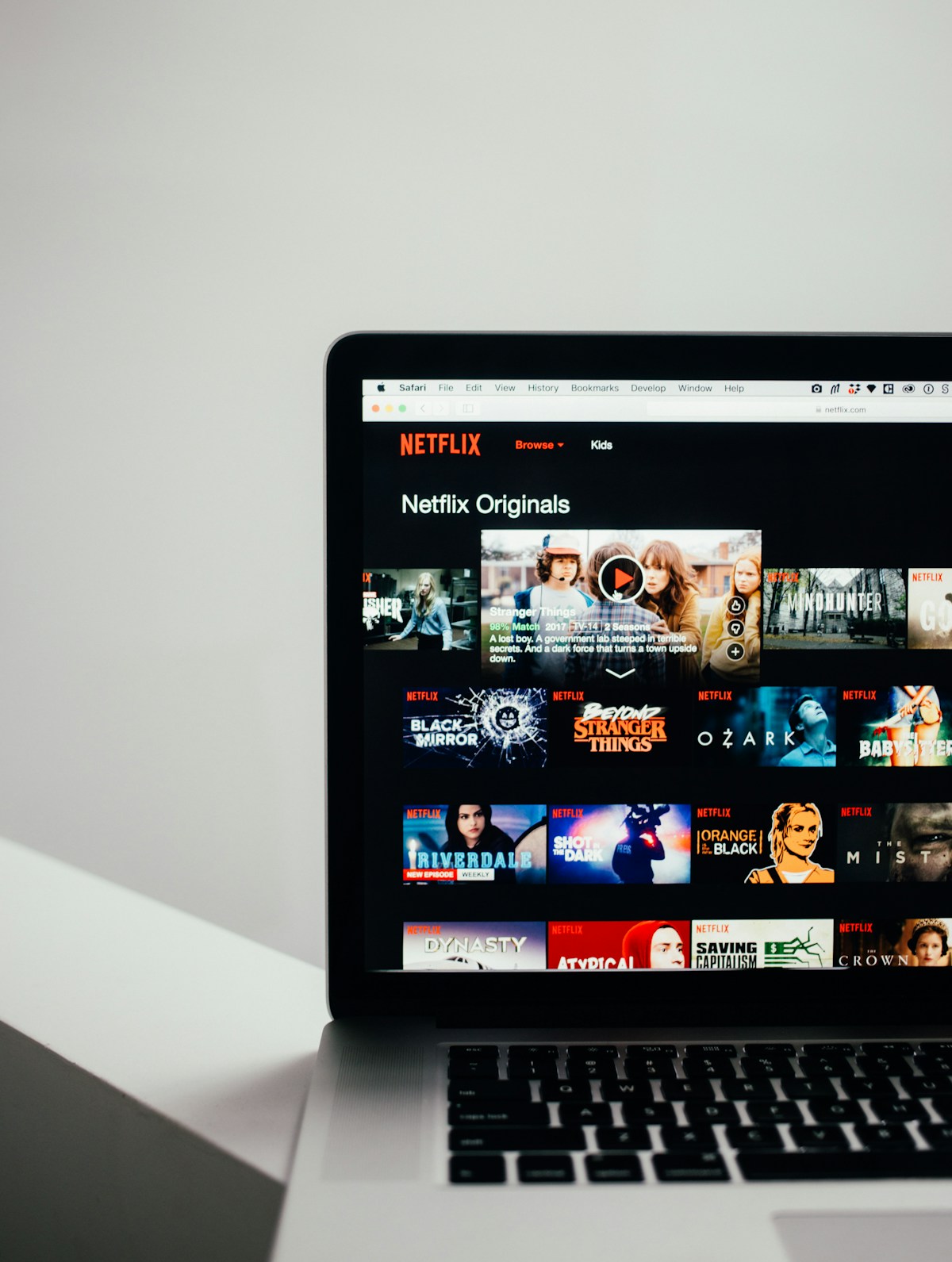

Ted Sarandos spent Tuesday afternoon in the hot seat, defending Netflix's proposed acquisition of HBO Max before a Senate committee that wasn't buying his "more content for less money" pitch.
The Netflix co-CEO faced sharp questions about market consolidation as senators from both parties expressed concerns that the merger would create a streaming monopoly. According to Variety, Sarandos insisted the deal would benefit consumers, claiming that 80 percent of HBO Max subscribers already pay for Netflix anyway.
"We will give consumers more content for less," Sarandos told the committee, suggesting that if customers don't like the combined service's price point, they can simply cancel.
That's a bold strategy: defending a merger by reminding people they can always leave. Washington wasn't impressed.
The hearing represents a significant shift in how regulators view streaming consolidation. For years, the industry argued that competition from traditional television justified any merger. Now that streaming is television, that argument holds less water.
If approved, the Netflix-HBO Max deal would unite two of the industry's most prestigious content libraries. Netflix would gain access to HBO's premium originals and Warner Bros.' theatrical releases, while HBO Max subscribers would get... well, a Netflix subscription they probably already have.
The real question isn't whether consumers want more content. It's whether we want fewer companies controlling what we watch. Hollywood spent decades under the studio system before antitrust action broke up vertical integration. We're watching history repeat itself, just with algorithms instead of moguls.
In Hollywood, nobody knows anything - except me, occasionally. And I know monopolies don't create great content. Competition does.