
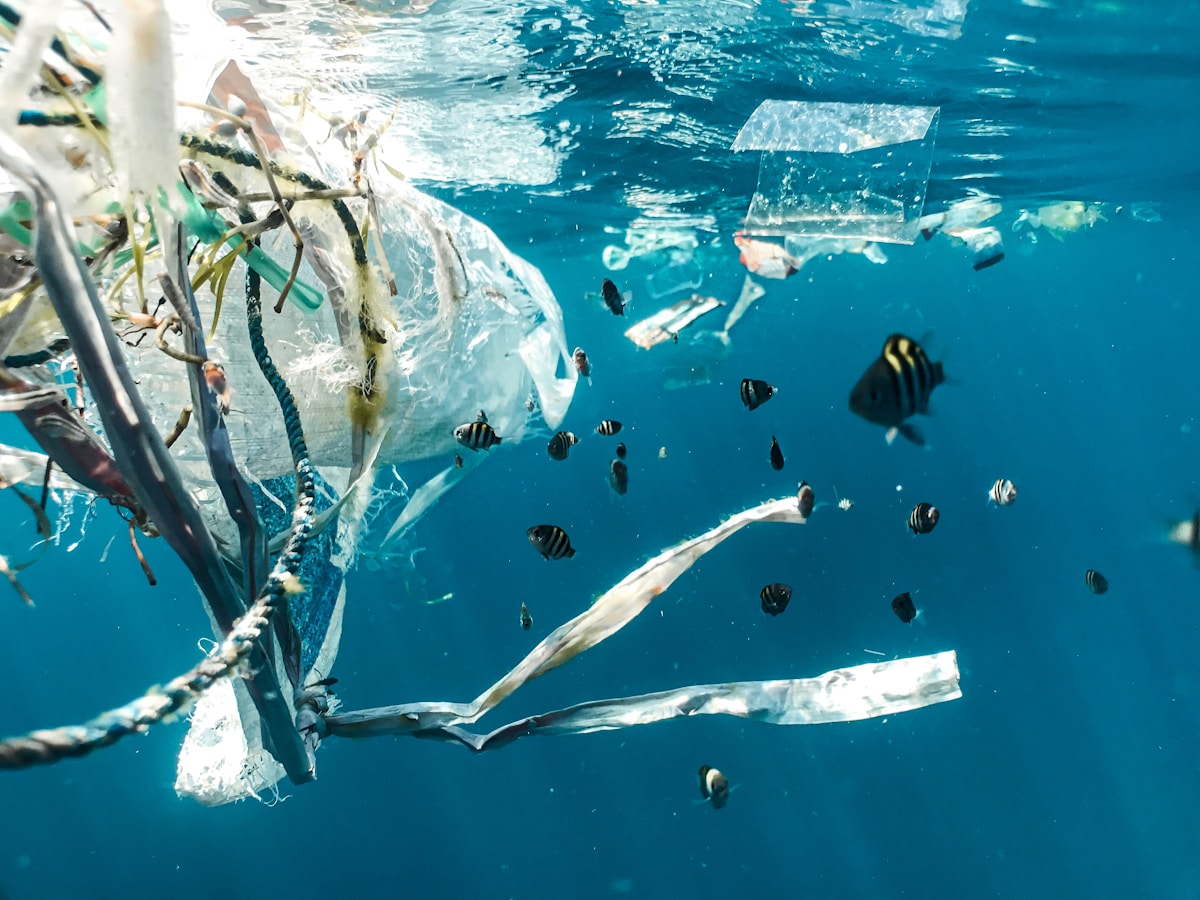
Food and beverage giant Nestlé faces trial over allegations of immeasurable microplastic pollution from its bottled water operations, in a landmark case that could establish corporate liability for plastic contamination across the industry.
The legal action, detailed by Le Monde, centers on microplastic pollution from Nestlé's water bottle production and disposal sites. Prosecutors argue the company's operations generate plastic particles too numerous to quantify, contaminating soil, waterways, and ultimately the food chain.
The case represents the first major corporate accountability action specifically targeting microplastic pollution from bottled water production. Environmental lawyers note that successful prosecution could establish precedent for holding manufacturers liable for the entire lifecycle impacts of plastic packaging.
In climate policy, as across environmental challenges, urgency must meet solutions—science demands action, but despair achieves nothing. This trial demonstrates how legal frameworks can evolve to address environmental harms that science has only recently begun to quantify.
Microplastic contamination from bottled water operations occurs at multiple stages. Production facilities shed plastic particles during bottle manufacturing. Transportation and storage degrade plastic containers, releasing microplastics into products. Disposal sites become long-term pollution sources as bottles fragment into increasingly smaller particles.
Recent research reveals that a single plastic water bottle can release hundreds of thousands of microplastic particles into its contents, particularly when exposed to heat or sunlight. These particles, often smaller than human cells, persist in the environment for centuries while accumulating in organisms throughout the food web.
The "immeasurable" characterization in the case reflects scientific challenges in quantifying total microplastic pollution. Standard measurement techniques can count particles down to certain sizes, but emerging evidence suggests even smaller nanoplastics may constitute the majority of pollution by particle count—contamination that current methods cannot fully assess.
Nestlé's bottled water operations span dozens of countries, producing billions of bottles annually. The company has previously committed to increasing recycled plastic content and improving collection systems, but critics argue these measures fail to address the fundamental microplastic generation inherent in plastic bottle production.
The trial occurs amid growing scientific alarm about microplastic ubiquity. Research published this week documented microplastics falling from the sky and contaminating remote forests, demonstrating that plastic pollution has achieved global atmospheric distribution—nowhere remains uncontaminated.
Public health researchers emphasize accumulating evidence of microplastics in human blood, lungs, and placentas, though health impacts remain incompletely understood. The precautionary principle suggests reducing exposure even before definitive harm documentation, particularly for vulnerable populations including infants consuming formula prepared with bottled water.
The bottled water industry faces particular scrutiny because products marketed as pure and healthy may actively deliver microplastic contamination to consumers. Recent testing found premium bottled water brands contained microplastic concentrations exceeding tap water in many developed nations.
Legal experts note the case's potential to shift corporate liability frameworks. Traditional pollution regulations focus on regulated substances and measurable discharges. Microplastic contamination challenges these frameworks because pollution occurs through product degradation rather than discrete releases, and total environmental burden exceeds current measurement capabilities.
If successful, the prosecution could compel industry-wide changes in packaging materials, production processes, and waste management systems. Alternative packaging technologies including aluminum, glass, and plant-based materials could gain competitive advantages if plastic manufacturers face liability for lifecycle pollution.
Developing nations bear disproportionate burdens from plastic pollution despite consuming far less per capita than wealthy countries. Climate justice advocates emphasize that corporate accountability for microplastic contamination must include remediation funding for communities already impacted by plastic waste from exported products and imported waste streams.