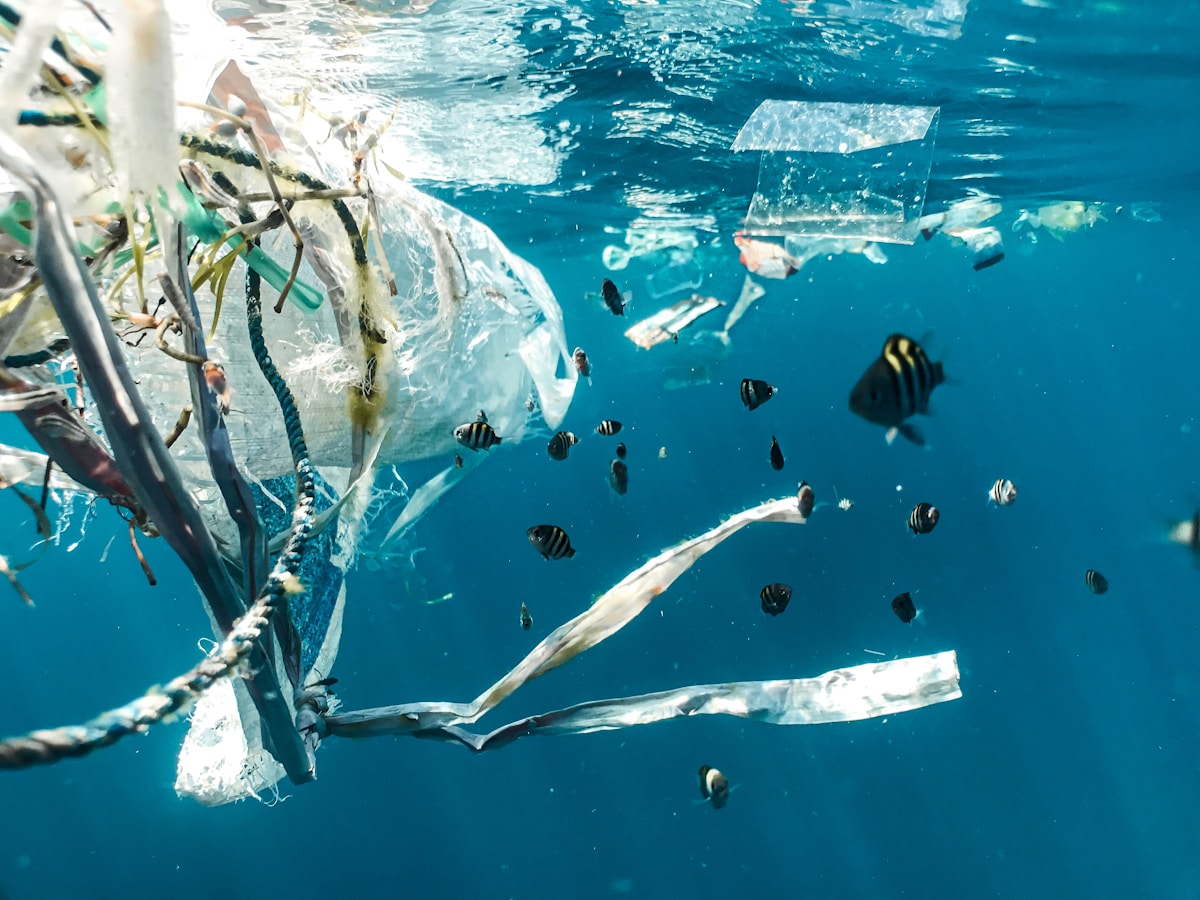

Microplastic particles are raining down from the atmosphere and contaminating even the most remote forests, according to new research that reveals plastic pollution has achieved global atmospheric distribution with nowhere on Earth remaining untouched.
The findings, published in Science Daily, document microplastic deposition in pristine forest environments far from urban centers or industrial activity. Researchers detected plastic particles in atmospheric samples, soil cores, and vegetation across study sites, demonstrating that airborne transport has made microplastic contamination truly ubiquitous.
In climate policy, as across environmental challenges, urgency must meet solutions—science demands action, but despair achieves nothing. The atmospheric microplastic crisis demands both immediate reduction in plastic production and long-term strategies for addressing contamination already dispersed globally.
Atmospheric microplastic transport occurs through multiple mechanisms. Wind erosion lifts particles from urban areas, agricultural fields, and degrading waste. Ocean waves generate sea spray containing microplastics that enter air currents. Even seemingly intact plastic products shed particles through weathering and abrasion, contributing to atmospheric loading.
Once airborne, microplastics can travel thousands of kilometers before deposition. Researchers found particles originating from urban centers contaminating forests hundreds of miles downwind. This long-range transport means that even communities minimizing local plastic use face contamination from distant sources.
The forest contamination documented in the new research carries particular ecological significance. Forest ecosystems process vast quantities of atmospheric deposition through rainfall interception by canopy vegetation. Microplastics captured by leaves and needles eventually reach forest floors, where they integrate into soil systems that may retain contamination for centuries.
Soil microplastic accumulation threatens forest ecosystem functions. Plastic particles alter soil structure, water retention, and nutrient cycling. Early research suggests microplastics may interfere with mycorrhizal fungi networks that support tree health and forest carbon storage—impacts with implications for both biodiversity and climate regulation.
The atmospheric microplastic findings connect to broader pollution concerns emerging this week. Nestlé faces trial over allegations of immeasurable microplastic pollution from bottled water operations, highlighting corporate responsibility for contamination now documented falling from the sky worldwide.
Researchers emphasize that atmospheric microplastic concentrations will likely increase for decades even with immediate production reductions. Plastic already in the environment continues fragmenting into smaller particles, and degrading products release microplastics for years after disposal. The contamination represents a persistent pollutant comparable to legacy chemicals like PCBs.
Public health implications of airborne microplastic exposure remain under investigation. Humans inhale microplastic particles with every breath, particularly in urban environments where atmospheric concentrations exceed remote locations. Particles small enough for atmospheric transport can penetrate deep into lungs, with unknown long-term health consequences.
The global distribution documented by the new research undermines arguments that plastic pollution primarily affects areas with inadequate waste management. While waste infrastructure improvements remain crucial, atmospheric transport means plastic production anywhere contributes to contamination everywhere—a reality requiring international cooperation on production reduction.
Climate connections compound the microplastic crisis. Plastic production contributes significantly to greenhouse gas emissions, while environmental plastic degradation may release climate-forcing gases. Meanwhile, climate change itself accelerates plastic breakdown through increased temperatures and intensified weathering, potentially increasing microplastic generation rates.
Solutions require systemic changes beyond individual actions. Policy interventions could include plastic production caps, extended producer responsibility requiring manufacturers to fund contamination remediation, and investments in truly biodegradable material alternatives. Current "biodegradable" plastics often require industrial composting and still generate microplastics in natural environments.
Remote forest contamination demonstrates that geographic isolation provides no protection from plastic pollution. Indigenous communities in remote regions now face atmospheric microplastic deposition despite minimal plastic consumption—an environmental justice issue where those least responsible for pollution bear unavoidable exposure.
The research adds urgency to international negotiations on a global plastics treaty. Atmospheric transport evidence supports arguments for binding production limits rather than voluntary reduction targets. The contamination's irreversible nature and multigenerational persistence justify precautionary approaches even where health impacts remain incompletely documented.