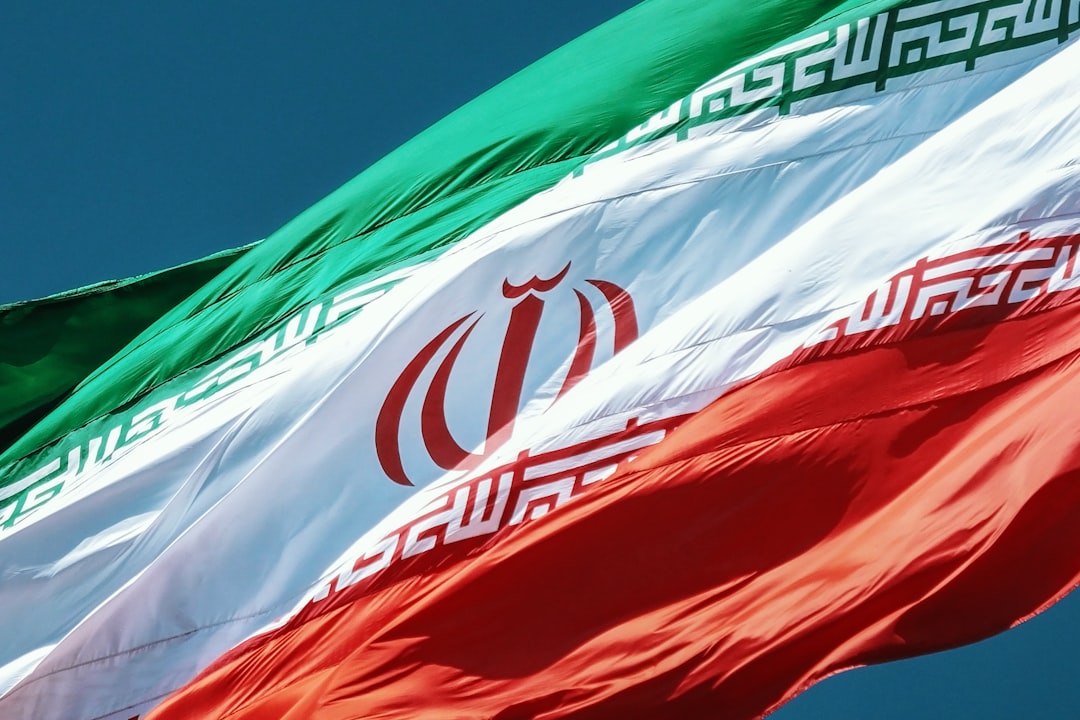
Major NATO allies have declined to participate in the Trump administration's naval blockade of Iranian ports, according to multiple European diplomatic sources, marking the most serious rift within the Atlantic alliance in decades.
The United Kingdom, France, Germany, and Italy all informed Washington they would not contribute naval vessels to the blockade operation in the Strait of Hormuz, which took effect Sunday. The refusals represent a stark departure from traditional alliance unity on security matters and underscore growing European unease with the administration's Iran policy.
"We were not consulted on this decision, and we do not believe economic strangulation is the path to de-escalation," a senior French defense official told reporters on condition of anonymity. "Europe has its own interests in the Gulf, and those interests are not served by actions that could spark a wider regional war."
To understand today's headlines, we must look at yesterday's decisions. The blockade order came after failed negotiations in Islamabad between American and Iranian representatives, where the U.S. reportedly demanded a 20-year freeze on uranium enrichment—a condition Tehran rejected as tantamount to surrender.
NATO Secretary General Mark Rutte attempted to downplay the divisions, stating that "alliance members retain sovereign decisions over force deployment." However, diplomatic sources in Brussels described the atmosphere as "deeply strained," with some questioning whether Article 5 mutual defense commitments remain credible if allies cannot coordinate on major military operations.
The blockade will proceed with exclusively American naval forces, supplemented by vessels from Israel and reportedly Saudi Arabia. Vice President J.D. Vance said Sunday that "the ball is in Iran's court" to accept Washington's terms, while warning that any attempt to breach the blockade would result in Iranian vessels being "sent to the bottom."
European capitals worry the unilateral action could fracture the transatlantic security architecture that has underpinned Western defense policy since 1949. Germany's defense minister warned that "we are witnessing the unraveling of the post-war order," while Poland—traditionally among the most pro-American NATO members—expressed "serious reservations" about the blockade strategy.
The rift comes as Japan explores closer ties with NATO amid its own doubts about American security guarantees under Trump, suggesting the crisis in alliance confidence extends beyond the Atlantic.