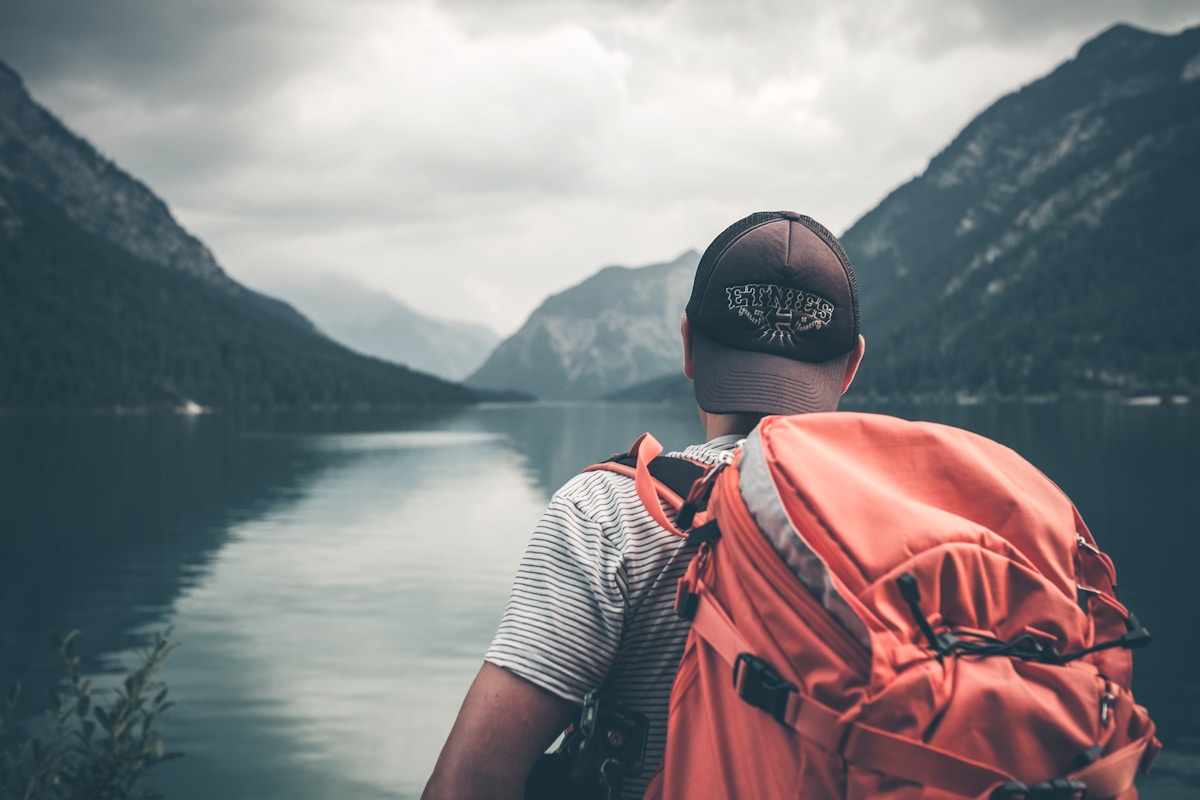
A traveler attempting to pack for Iceland, Albania, Kyrgyzstan, Egypt, and Greece in a single month illustrates the ultimate one-bag packing challenge: extreme weather transitions while maintaining carry-on-only travel.
The route represents nearly every climate extreme: Iceland with cold, wind, and potential snow; Albania with Mediterranean warmth; Kyrgyzstan with high-altitude mountains and cold nights; Egypt with desert heat; and Greece with beach weather.
Their solution: a 55L Osprey Farpoint packed with layering-focused gear.
The Packing List Analysis
The packing list includes short and long-sleeve synthetics, cotton shirts, a fleece, jeans, hiking pants, essential accessories, and tech gear including GoPro equipment.
What Works: Synthetic base layers offer quick-drying versatility for both cold layering and hot weather. The fleece provides better versatility than a puffy jacket. Hiking boots as primary footwear saves pack weight. Minimal pants selection with backup pairs matters on long trips.
What's Missing or Questionable: No rain gear mentioned (critical for Iceland's wet conditions), cotton shirts hold moisture when synthetics would be more versatile, only hiking boots means sweaty feet in Egyptian heat with no comfortable evening footwear, and no sun protection for desert or high-altitude exposure.
The Layering Strategy
Successful multi-climate packing relies on layering systems rather than dedicated outfits for each climate. For cold weather, combine base layer plus long-sleeve synthetic plus fleece plus rain shell. For hot weather, use tank top or short-sleeve alone with lightweight pants. For transitional weather, use long-sleeve synthetic with light layer.
The 55L Question
One-bag purists advocate for 35-45L maximum, but for multi-climate trips with actual outdoor activities (not just city touring), the extra space provides crucial versatility. The Osprey Farpoint 55 is popular because it's barely carry-on legal, includes a detachable daypack, has a comfortable suspension system, and offers durability.
What Experts Would Change
Experienced multi-climate travelers would add a lightweight rain jacket (critical for Iceland), packable down jacket (better warmth-to-weight ratio), lightweight sandals that pack small, sun hat, and lightweight shorts or convertible pants.
They'd remove or swap items: drop to 1 pair jeans (swap second for lightweight pants), replace cotton shirts with merino or synthetic, and consider dropping GoPro gear if not critical since phones shoot 4K video.
The Philosophical Question
This raises a fundamental question: Is it actually possible to pack optimally for this trip, or does the climate variation demand compromises?
The honest answer: Significant compromises are required. You'll be too cold sometimes in Iceland without proper rain gear, too hot in hiking boots in Egypt, wishing for sandals on Greek beaches, and doing laundry more frequently than ideal.
The alternative - checking a bag - would allow proper cold and hot-weather wardrobes, multiple footwear options, and less stress. But you'd sacrifice mobility, pay checked bag fees, wait at baggage claim, and risk lost luggage.
Who Should Attempt One-Bag Multi-Climate Travel?
Good candidates are experienced packers who've done one-bag trips before, travelers comfortable with minimalism and trade-offs, those prioritizing mobility over comfort, and people willing to do laundry every 3-4 days.
Reconsider if you're a first-time international traveler, have specific clothing needs like professional attire, value having "the right gear" for each activity, or are uncomfortable wearing the same items repeatedly.
The best travel isn't about the destination - it's about what you learn along the way. And sometimes what you learn is that perfect packing doesn't exist - only strategic compromises that align with your priorities.