While most digital nomad content focuses on Chiang Mai, Lisbon, and Bali, one nomad's journey through the United States reveals what domestic nomading actually offers - and why some are choosing to stay stateside despite higher costs.
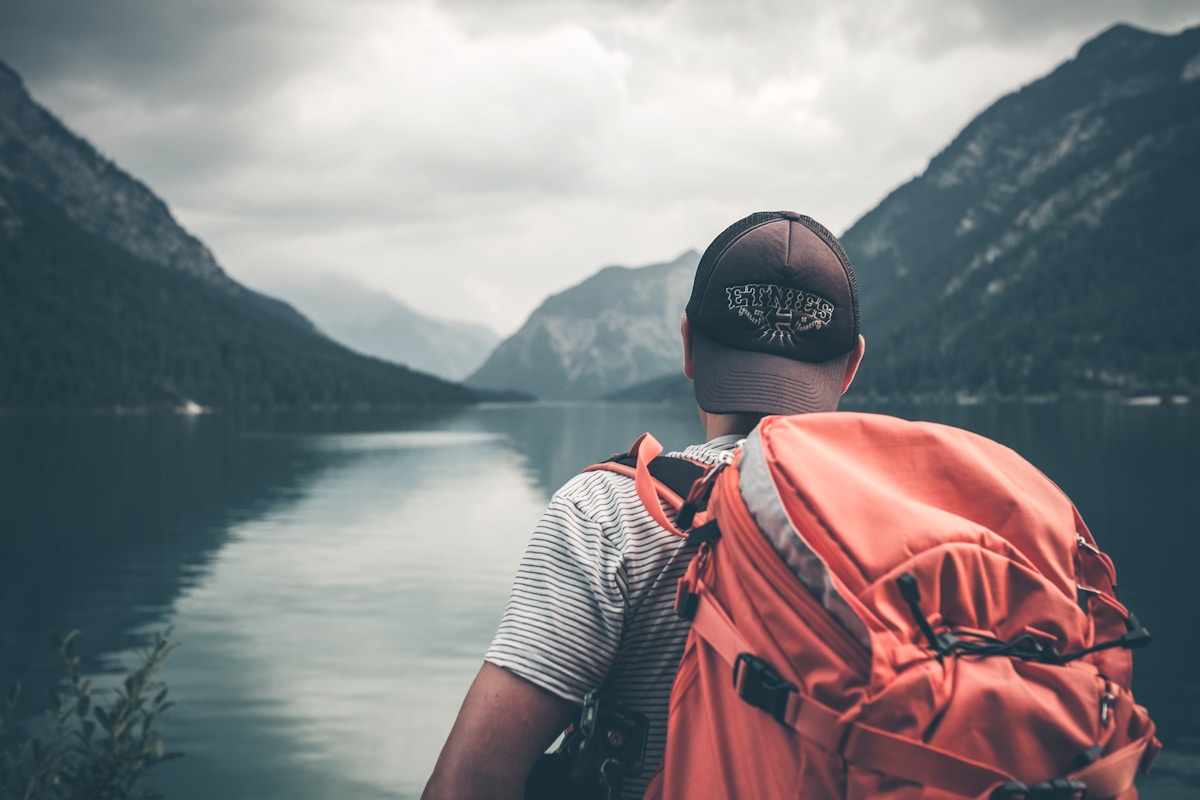
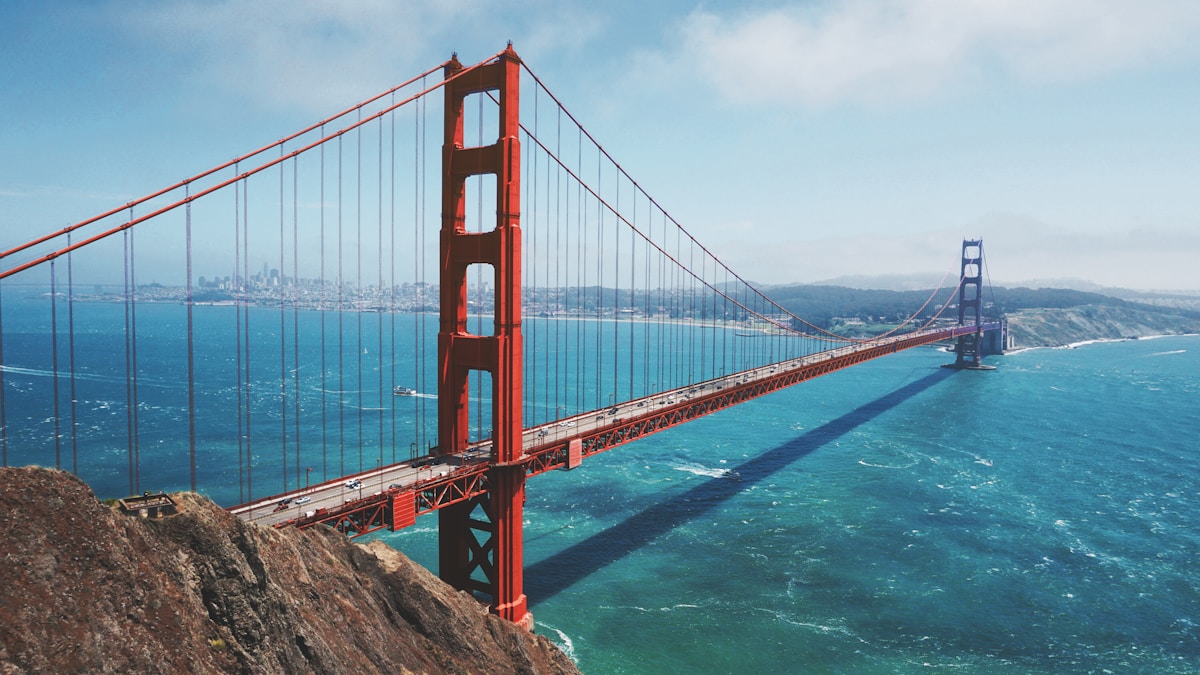
The digital nomad splits time between 3-6 months in the U.S. and international destinations, sharing photos from a journey that took them from Utah's scorching red rock deserts to Colorado's snowy mountains, California's beaches, Louisiana's cuisine scene, and New Hampshire's autumn colors.
Their conclusion: "You can pretty much find any ecosystem in the US. What I enjoy the most is the diversity of the landscapes, and the accessibility, safety and easiness of traveling within them."
The Case for Digital Nomading at Home
For American remote workers, domestic nomading offers advantages that international destinations can't match: visa-free indefinite stays (no 90-day limits or visa runs), no language barriers, ecosystem diversity within single days, banking and bureaucracy ease, and reliable infrastructure with consistent internet access.
The Cost Reality
The U.S. is expensive. But the answer depends on what you value: national parks and outdoor access that's unmatched globally, seasonal optimization to chase perfect weather year-round, no need for expat communities since you're already home, and time zone alignment for remote workers with U.S.-based teams.
Regional Cost Breakdown
Strategic location selection is crucial. Budget-friendly bases include Utah outside Salt Lake City ($800-1,200/month), small cities in New Hampshire and Maine ($900-1,400/month), and Louisiana cities beyond New Orleans ($700-1,000/month).
Mid-range options include Colorado mountain towns ($1,200-1,800/month) and California coast smaller towns ($1,500-2,200/month).
The Hybrid Approach
The nomad's strategy of spending 3-6 months in the U.S. then traveling internationally offers balance: maximizing outdoor access when national parks are prime during summer and fall, escaping to cheaper warmer climates in winter, and working from the U.S. to build savings before stretching them internationally.
Top U.S. Digital Nomad Destinations
Utah offers proximity to Mighty 5 national parks and excellent coffee shops. California provides beach-to-mountain diversity and established remote work culture. Louisiana delivers cultural richness and exceptional cuisine at low cost. New Hampshire features fall colors and quaint towns. Colorado serves as an outdoor recreation mecca with a strong digital nomad community.
The Overlooked Infrastructure
The nomad's emphasis on "accessibility, safety and easiness of traveling" highlights often-underappreciated aspects: nearly universal high-speed internet, reliable power, safe drinking water everywhere, well-maintained roads, predictable business hours, and English-language everything.
After dealing with visa runs, language barriers, and infrastructure challenges internationally, these basics become luxuries.
Who This Works For
U.S. digital nomading makes most sense for American remote workers with U.S. clients, those prioritizing outdoor activities over beach life, people valuing convenience and infrastructure, nomads with families or pets (easier domestic logistics), and those wanting to explore their own country deeply.
The Slow Travel Angle
Staying 3-6 months allows for actual living rather than touring. You find your regular coffee shop in Salt Lake City, your favorite Louisiana restaurant, your preferred hiking trails in Colorado.
This is slow travel at home - the opposite of Instagram-driven bucket list chasing.
The best travel isn't about the destination - it's about what you learn along the way. And sometimes what you learn is that the adventure you're seeking exists in your own country, if you're willing to explore it with the same curiosity you'd bring to traveling abroad.