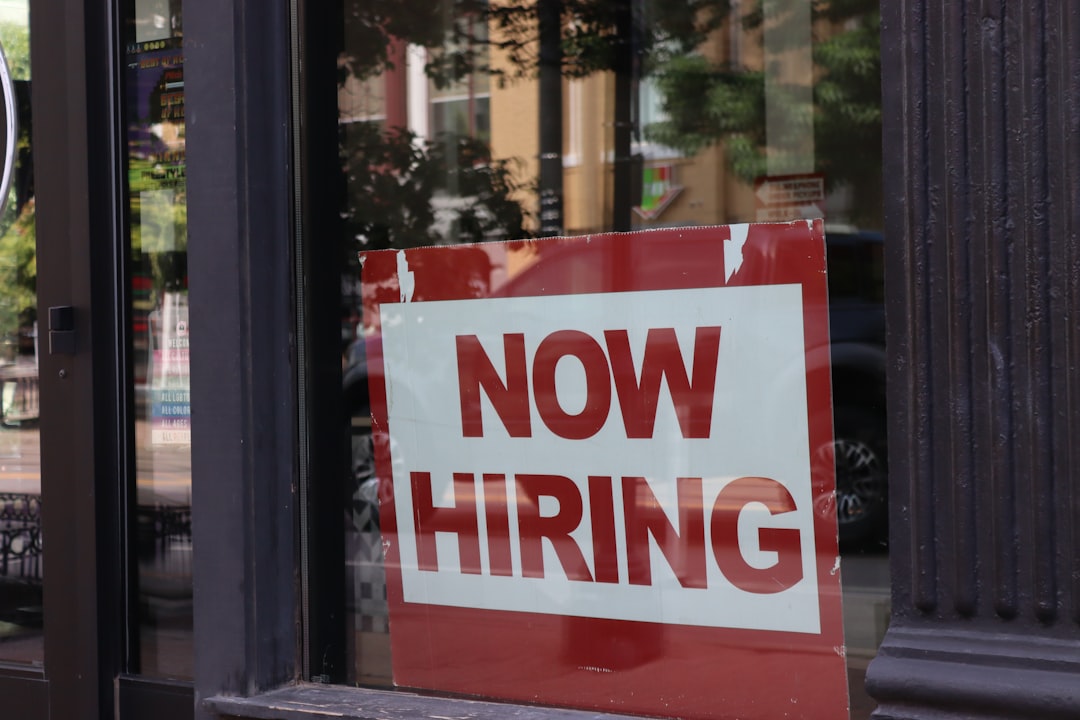
Worker pessimism about the job market has reached its highest level in years, with a new Gallup poll showing that most American workers believe now is the worst time in years to search for new employment—a dramatic reversal from the tight labor market of just two years ago.
The Gallup data captures a fundamental shift in labor market psychology. During 2021 and 2022, workers enjoyed unprecedented leverage. Companies competed aggressively for talent, offering signing bonuses, remote work flexibility, and rapid wage increases. Workers job-hopped freely, confident they could land better opportunities.
That confidence has evaporated. The current pessimism spans experience levels, from entry-level workers to seasoned professionals. The poll results align with hard employment data: job openings are down significantly from pandemic-era peaks, hiring has slowed across industries, and the wave of layoffs that began in late 2024 continues to ripple through the economy.
What's driving this pessimism? The macroeconomic picture tells the story. Corporate America overcorrected during the pandemic, hiring aggressively to meet surging demand. Now companies are prioritizing profitability over growth, which means keeping headcount lean and raising the bar for new hires. The days of companies desperate enough to overlook qualification gaps are over.
The polling data reinforces what recent college graduates are experiencing firsthand: a brutal hiring freeze that has left thousands sending hundreds of applications without landing interviews. But this squeeze isn't limited to new graduates. Mid-career professionals are finding that companies would rather stretch existing teams than add headcount, even when workloads have increased.
The geographic patterns matter. Worker pessimism is most acute in markets that saw the biggest pandemic booms and subsequent corrections—tech hubs like San Francisco and Seattle, financial centers, and cities that grew rapidly during remote work. These markets are now seeing the sharpest pullbacks in hiring.
For workers currently employed, the Gallup findings create a different calculus. The "great resignation" mentality that dominated 2021-2022 has been replaced by "stay put and be grateful." Workers who might have leveraged outside offers for raises or promotions now think twice before testing the market. That dynamic gives employers renewed leverage in compensation negotiations.
The data also reveal a psychological component that extends beyond pure job statistics. Even workers in relatively stable positions report feeling pessimistic about job availability. This suggests the steady drumbeat of layoff announcements and hiring freezes has created a broader sense of labor market precarity, even among those not actively job hunting.
This pessimism functions as a leading economic indicator. When workers lose confidence in job availability, they typically pull back on discretionary spending, which can create a self-reinforcing cycle of economic slowdown. Consumer spending—which drives 70% of U.S. economic activity—depends heavily on employment confidence.
The Federal Reserve will watch this data closely. Worker pessimism about job prospects could accelerate the labor market cooling the Fed has sought through interest rate policy. But there's a fine line between cooling and freezing, and sustained worker pessimism suggests the labor market may be crossing into territory that risks broader economic weakness.
For policymakers, the Gallup poll presents a challenge. The official unemployment rate remains relatively low, yet worker sentiment about job availability is deeply negative. This disconnect suggests the headline numbers don't capture the full picture of labor market tightness—or lack thereof.
The numbers don't lie: when workers across experience levels and industries agree the job market is terrible, they're usually right. The question now is how long this pessimism persists and whether it becomes a self-fulfilling prophecy that further slows hiring and economic growth.