

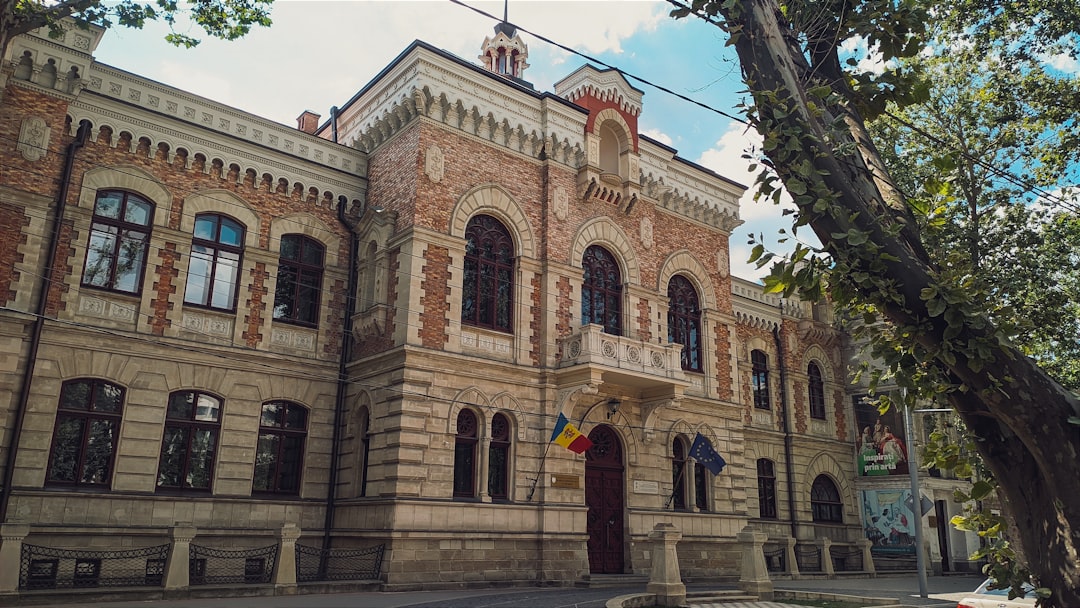
Moldova's parliament voted to withdraw from the Commonwealth of Independent States, the Moscow-led grouping of former Soviet republics. The decision marks the latest crack in Russia's post-Soviet institutional architecture as countries reassess relationships following the Ukraine invasion.
The Kyiv Independent reported the parliamentary approval, which formalizes Chisinau's pivot toward European integration. Moldova received EU candidate status in 2022 and has accelerated Western alignment under President Maia Sandu, who won reelection in 2024 on a pro-European platform.
The CIS, established in 1991 as the Soviet Union dissolved, was intended to maintain economic and security cooperation among successor states. In practice, the organization has served primarily as a mechanism for Russian influence over former Soviet republics. Moldova joins Ukraine and Georgia, which previously exited the grouping, in formally severing institutional ties to Moscow-led structures.
In Russia, as in much of the former Soviet space, understanding requires reading between the lines. The CIS withdrawal carries more symbolic than practical weight—bilateral trade and diplomatic relations continue independently of the organization. What matters is the signal: Moldova is consolidating its European trajectory and rejecting Russian attempts to maintain a sphere of influence.
The decision raises immediate questions about Transnistria, the breakaway region in eastern Moldova where Russian troops have been stationed since the 1990s. The territory, unrecognized internationally but controlled by a pro-Russian administration, remains Moldova's most significant security challenge. Transnistria's status complicates Moldova's EU accession process and provides Moscow with leverage over Chisinau.
Russian officials have not yet issued formal responses to the parliamentary vote. Previous reactions to similar moves by Ukraine and Georgia included warnings about economic consequences and allegations of Western pressure. Moscow characterizes CIS departures as betrayals of post-Soviet cooperation rather than sovereign choices by independent states.
Moldova's withdrawal follows a pattern across the former Soviet space. Countries bordering Russia have steadily reduced participation in Moscow-led institutions while strengthening ties to Western organizations. The Baltic states joined NATO and the EU in 2004. Ukraine signed an EU Association Agreement in 2014, triggering the Russian intervention that eventually led to full-scale invasion.


/file/dailymaverick/wp-content/uploads/Becs-roelfmeyer2.jpg)