SpaceX's proposal to launch one million satellites as orbital data centers isn't just raising eyebrows among astronomers—it's triggering serious concerns among atmospheric chemists about an unprecedented experiment with our planet's upper atmosphere.
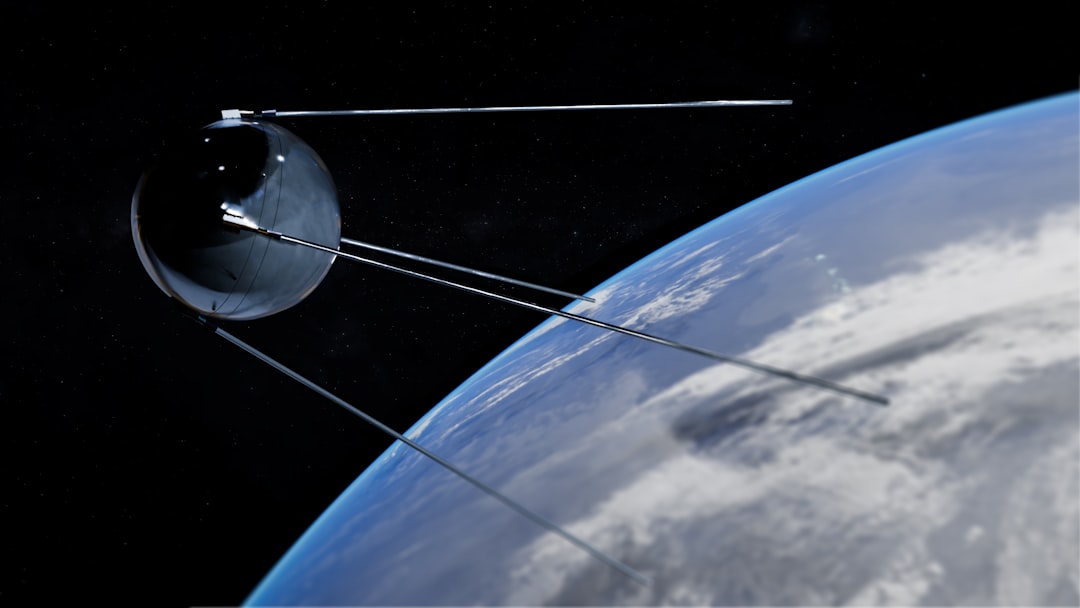
The scale is staggering. SpaceX currently operates more than 8,000 of the roughly 16,000 satellites orbiting Earth, launching more than two dozen satellites twice weekly. The new proposal would increase that hundredfold. But here's the bit that has atmospheric scientists worried: what happens when all those satellites eventually come down.
Metal rain from the sky
When satellites burn up during reentry, they don't simply vanish. Recent studies show they leave behind a trail of metals—aluminum, lithium, and other elements—deposited directly into the upper atmosphere. A group of astronomers calculated that deorbiting SpaceX's proposed constellation would mean one satellite reentering every three minutes.
"We're doing this sort of experiment with the atmosphere when we don't really know what the result will be," Eloise Marais, an atmospheric chemistry professor at University College London, told reporters. She emphasized that "it really is a mix of these pollutants that impact the atmosphere."
This isn't idle speculation. We've already detected anomalous metal concentrations in the upper atmosphere that correlate with satellite reentry events. What we don't know is what happens when you scale that up by orders of magnitude.
The launch problem
Then there's the question of getting these satellites up there in the first place. Deploying one million satellites would require thousands of rocket launches, each depositing black carbon and soot directly into the atmosphere. Unlike emissions at ground level, these pollutants are injected into atmospheric layers where they can have outsized warming effects.
The physics here is straightforward, but the scale is unprecedented. We've never conducted atmospheric experiments of this magnitude—and unlike controlled scientific studies, there's no way to run this one in a lab first.
Beyond the atmosphere
Aaron Boley, co-director at the Outer Space Institute, put it bluntly: "This is just a bad idea in terms of our long-term use and access to space." He warned that "the skies will not be as dark as they were...there's going to be no escaping that."
The proposal threatens both ground-based and space-based observatories through light pollution and electromagnetic interference. But the atmospheric chemistry angle—the metal particles accumulating in our upper atmosphere with unknown consequences—that's the part keeping scientists up at night.
SpaceX has filed this proposal with the U.S. Federal Communications Commission, but the atmospheric impacts don't respect national borders. Whatever happens to Earth's atmosphere from this experiment, we all get to participate whether we want to or not.
The universe doesn't care what we believe about technological progress. Let's find out what the atmospheric chemistry actually tells us before we commit to the largest-scale atmospheric intervention in human history.