
Mike Richardson built Dark Horse Entertainment into a bridge between comics and Hollywood, bringing Hellboy, The Mask, and 300 to the screen. After 40 years, he's out—and with him goes an era of indie comics punching above their weight.
The news broke this week without much ceremony, which somehow feels appropriate for a figure who always operated outside the Marvel-DC duopoly. Richardson founded Dark Horse Comics in 1986 when the direct market was booming and independent publishers could still compete. He understood early that Hollywood would eventually devour comics IP, and positioned his company accordingly.
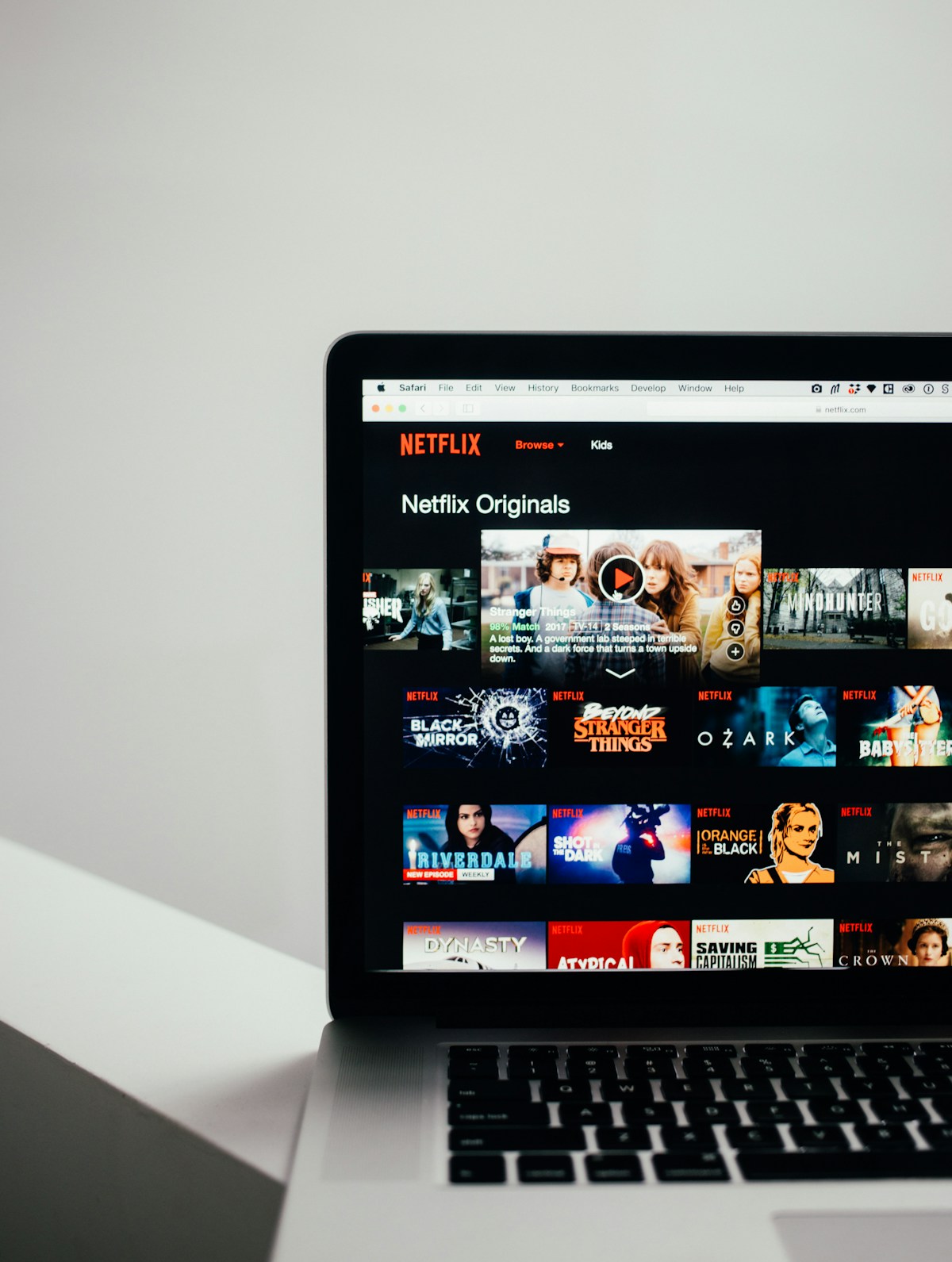
His track record speaks for itself: The Mask made Jim Carrey a superstar. Hellboy gave Guillermo del Toro his signature character. 300 defined mid-2000s action aesthetics. More recently, The Umbrella Academy became a Netflix hit, proving Dark Horse could still break through in the streaming era.
What Richardson's exit signals is less about one man than the state of indie comics adaptations. In the age of Marvel dominance and franchise fatigue, there's diminishing appetite for non-superhero comic properties. Dark Horse's success came from offering alternatives—horror, noir, historical epics—but those don't fit the current IP-exploitation model.
The timing is notable. Hollywood is desperate for recognizable IP but increasingly risk-averse about anything outside established franchises. Richardson championed creator-owned work and took chances on weird, uncommercial properties. That approach built Dark Horse but doesn't fit modern studio economics.
His legacy is secure. proved indie comics could succeed in Hollywood without selling out to the Big Two. He gave creators ownership and creative control when Marvel and DC were grinding talent through work-for-hire mills. That matters more than any single adaptation.