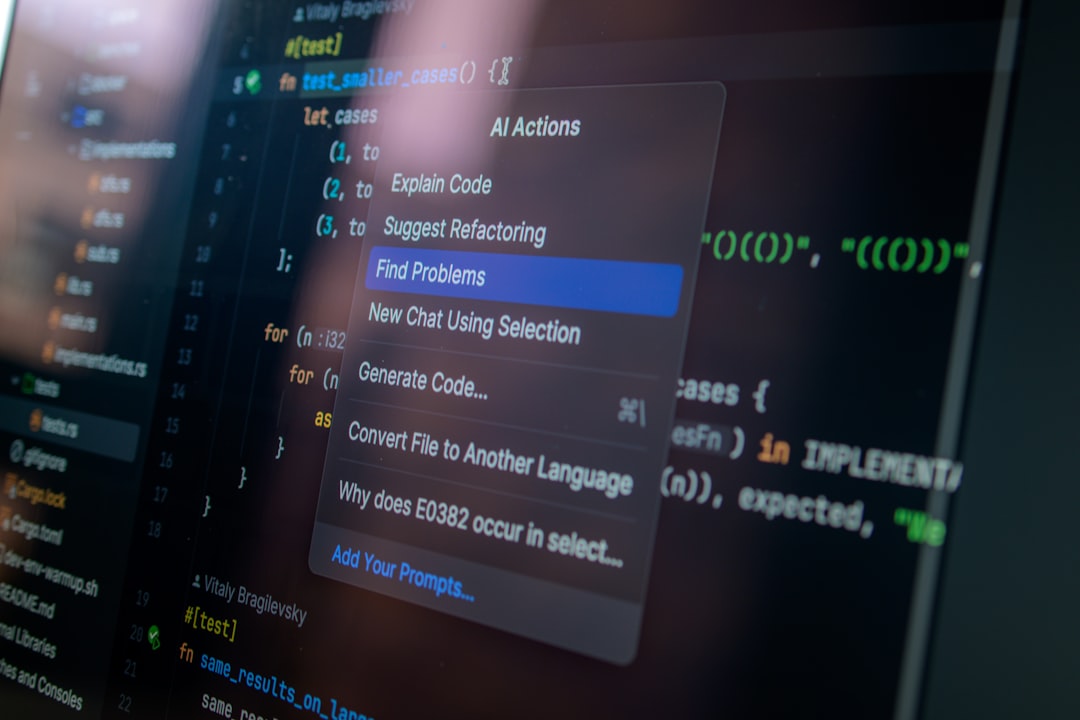
Microsoft quietly pushed an update to VS Code that listed 'GitHub Copilot' as a co-author on every commit, then rapidly backed down after developers pushed back hard. The attempted credit grab lasted less than 24 hours, but it raises fundamental questions about ownership of AI-assisted code that won't go away so easily.The feature automatically added a "Co-authored-by: GitHub Copilot" line to commit messages whenever developers used the AI tool to generate or modify code. On the surface, it might seem like reasonable attribution. But developers immediately recognized the implications: if Copilot is a co-author, does Microsoft have intellectual property claims on your code?The backlash was swift and intense. Developers pointed out that Copilot is a tool, not a contributor. You don't list your text editor or compiler as a co-author. The AI might suggest code, but the developer still has to review it, integrate it, and take responsibility for it. Treating the AI as a collaborator fundamentally misunderstands the relationship.What's more concerning is what this reveals about how Microsoft is thinking about AI and intellectual property. The fact that they tried this at all suggests they're exploring legal frameworks where AI-generated code might be considered jointly owned. That's a preview of the legal battles ahead as AI coding tools become ubiquitous.To their credit, Microsoft reversed course quickly. But the episode highlights a broader tension in the industry. As AI tools become more capable, tech companies will increasingly push to redefine what "authorship" means. Developers need to push back just as hard to maintain ownership of their work.The technology is genuinely impressive. Copilot can write code that would have taken hours to develop manually. But impressive tools don't get to claim credit for the work. A calculator doesn't co-author your math homework, and an AI shouldn't co-author your code commits. The fact that Microsoft needed developers to explain this is troubling.
|