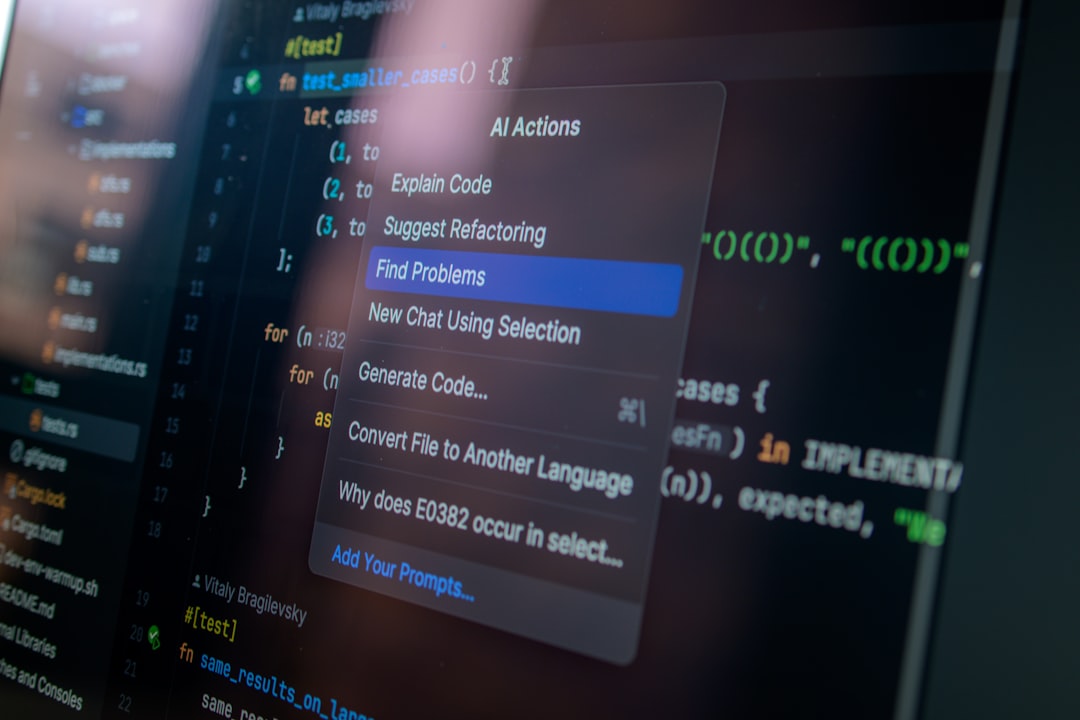
Neel Sundaresan, IBM's AI research lead, argues that current AI coding tools are massively overpowered for the tasks they're actually being used for. The critique comes as companies race to build ever-more-capable coding agents, and it's refreshing to hear an insider saying the quiet part out loud.The Ferrari metaphor is apt. We're using models that can theoretically architect entire systems to autocomplete variable names and generate boilerplate code. It's like having a supercomputer calculate your grocery bill. Technically impressive, but fundamentally mismatched to the actual use case.Sundaresan's point isn't that AI coding tools are useless - it's that we're building the wrong tools. Developers spend most of their time reading code, debugging, understanding legacy systems, and making incremental changes. Current AI models are optimized for generating new code from scratch, which is only a small part of the actual workflow.The industry's obsession with capability benchmarks has led to a strange disconnect. Companies compete to build models that can pass coding interviews or implement complex algorithms. But developers don't spend their days solving algorithmic puzzles. They spend their days figuring out why the production database is slow or how to safely refactor a function that's called in 47 different places.What would the right tool look like? Probably something much lighter-weight and more specialized. A model that's genuinely good at understanding existing codebases and explaining what they do. Tools that can trace dependencies and predict the downstream effects of changes. AI that helps with the mundane, time-consuming parts of development rather than trying to replace developers entirely.The broader lesson here is that more capability isn't always better. Sometimes the right solution is a smaller, faster, cheaper model that's optimized for the specific task at hand. The current generation of coding tools feels like a solution in search of a problem.To his credit, Sundaresan is working on alternative approaches through IBM's research division. Whether those efforts will gain traction in a market that's currently obsessed with maximalist AI models remains to be seen. But the critique is valuable: we need to build tools that match how developers actually work, not how we imagine they should work.The technology is impressive. The question is whether we're building the right tools for how developers actually work, or just building the most impressive tools we can.
|