
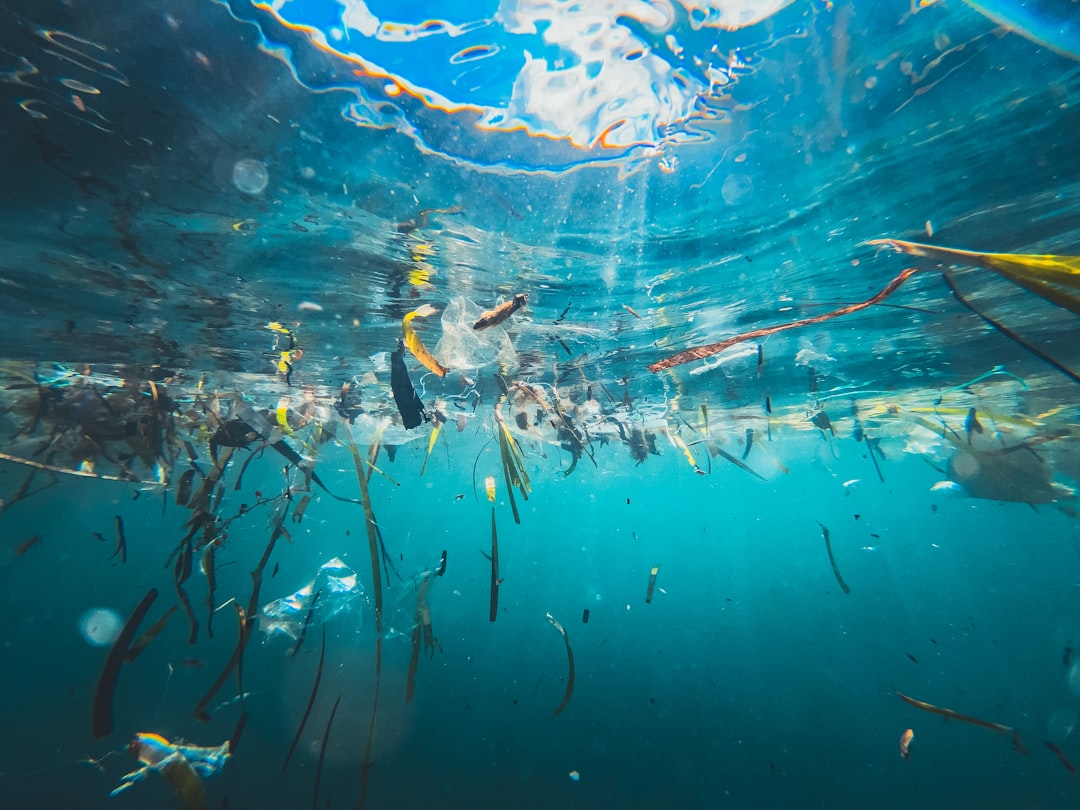
Fish embryos are absorbing microplastic particles before they even hatch, according to disturbing new research that reveals ocean plastic pollution penetrates the earliest stages of marine life. The finding demonstrates that microplastic contamination runs far deeper in ocean food webs than previously understood—with implications for both marine ecosystems and human seafood consumption.
Scientists discovered that zebrafish embryos, widely used as marine health indicators, accumulated microplastic particles during development inside eggs. The particles crossed protective egg membranes, embedding in developing tissues before fish began feeding. The research, published in the journal Environmental Science & Technology, suggests millions of fish species may face similar exposure during their most vulnerable developmental stages.
"We assumed microplastic exposure began when fish started eating," says Dr. Fiona Chen, lead researcher at the Singapore-based marine laboratory that conducted the study. "Finding contamination before mouth opening fundamentally changes our understanding of how pollution affects marine life from the beginning of life."
The mechanism appears to involve passive absorption through egg membranes—microplastic particles small enough to penetrate biological barriers designed to protect developing embryos. Once inside, particles accumulated in organ systems, potentially disrupting normal development and affecting survival rates, growth patterns, and reproductive capacity.
In nature, as across ecosystems, every species plays a role—and humanity's choices determine whether the web of life flourishes or frays. The discovery that plastic pollution invades fish before birth illustrates how thoroughly human waste has penetrated ocean systems—affecting not just adult organisms but future generations before they enter the environment.
The research examined multiple microplastic types—polystyrene, polyethylene, and polypropylene particles ranging from 1 to 10 micrometers in diameter. All crossed egg membranes, though absorption rates varied by particle size and composition. Smaller particles penetrated more readily, accumulating in higher concentrations in developing tissues.
Developmental impacts included altered growth rates, abnormal organ development, and compromised immune system formation. Fish exposed to microplastics during embryonic stages showed persistent health effects after hatching, suggesting early-life contamination creates lasting physiological consequences that could affect population viability.
The findings carry profound implications for ocean ecosystems already stressed by overfishing, warming waters, and habitat degradation. If microplastic exposure begins before birth, entire fish populations may face cumulative effects across generations—potentially reducing reproductive success, survival rates, and ecological resilience.
"We're not just talking about individual fish health," explains Dr. Marcus Webb, a marine ecologist at Australia's James Cook University who was not involved in the research. "This affects population dynamics, predator-prey relationships, and ecosystem stability. Plastic pollution is rewiring ocean food webs at the genetic level."
Human health concerns loom large. Fish represent a major protein source for billions of people, particularly in coastal communities. If fish accumulate microplastics from conception through adulthood, seafood contamination levels may exceed current estimates. Recent studies have found microplastics in human blood, placentas, and organs—much of it likely originating from seafood consumption.
The research adds urgency to plastic pollution reduction efforts. An estimated 8 million metric tons of plastic enter oceans annually, fragmenting into microplastics that persist for centuries. Current cleanup technologies address only surface pollution, leaving vast quantities suspended in water columns and seafloor sediments—where fish eggs develop.
Solutions require systemic change in plastic production, use, and disposal. Several nations have implemented single-use plastic bans, while international negotiations continue toward a global plastics treaty. However, legacy pollution already in oceans will affect marine life for generations, regardless of future reduction efforts.
"Prevention is critical, but we also need innovation in addressing existing contamination," says Dr. Chen. "Fish populations can't wait for plastic to naturally break down over centuries. We need interventions that protect developing embryos now."
Conservation groups emphasize that plastic pollution represents a solvable problem—unlike climate change, it doesn't require atmospheric chemistry transformation, just behavioral and industrial shifts in material use. The discovery that microplastics invade fish before birth should galvanize action, demonstrating that ocean plastic pollution isn't merely aesthetic contamination but a fundamental threat to marine life reproduction and ecosystem functioning.
As research continues, scientists are examining whether similar contamination affects other marine species—crustaceans, mollusks, and marine mammals. Early evidence suggests widespread vulnerability, particularly among species with permeable eggs or embryonic stages in open water where microplastic concentrations run highest.
The finding underscores a sobering reality: humanity's plastic waste has become so pervasive that it infiltrates the origin point of ocean life itself, affecting fish before they take their first breath in water humans have transformed into a synthetic soup.