Indonesia's emergence as the world's dominant nickel producer is fueling the global electric vehicle revolution—but at a devastating environmental cost that reveals the dark paradox of green energy transitions, according to an extensive investigation by NPR.
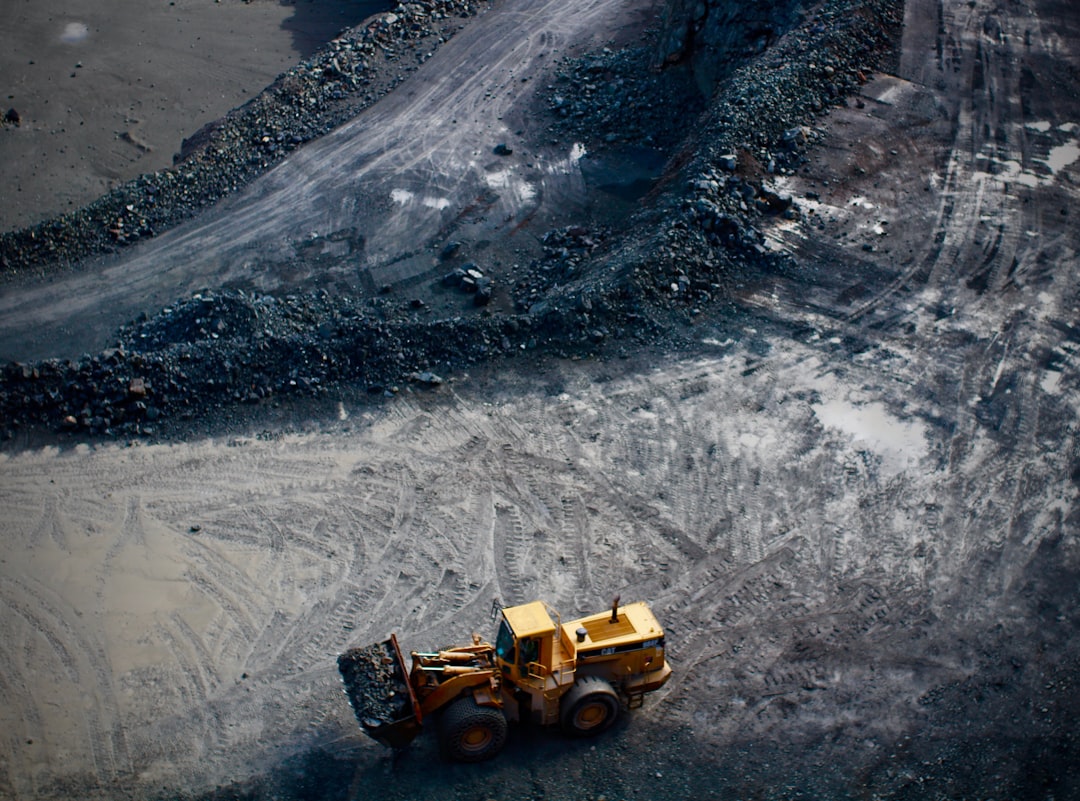
The Southeast Asian nation now supplies roughly 50 percent of global nickel, a critical component in EV batteries. Yet this mining boom has unleashed widespread deforestation, water contamination, and ecosystem destruction across Sulawesi and other nickel-rich regions, raising urgent questions about whether the climate cure risks becoming an environmental catastrophe.
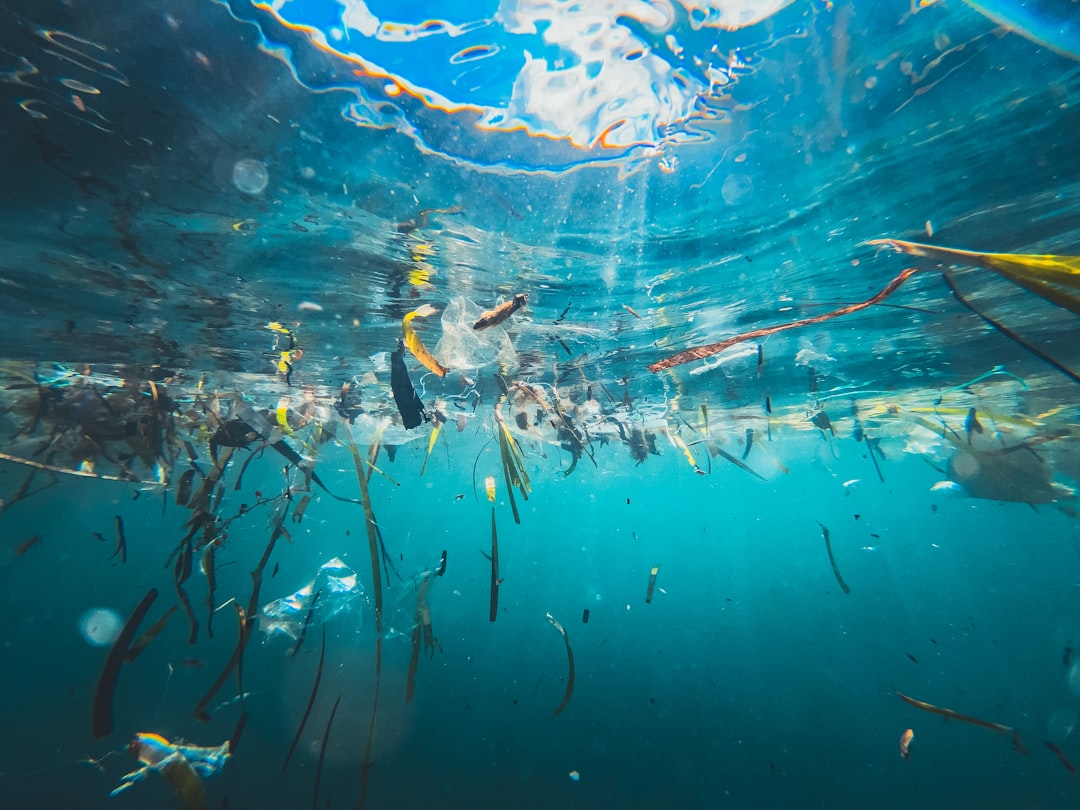
The NPR investigation documents clear-cut rainforests replaced by vast open-pit mines, rivers running red with mining waste, and coastal waters smothered by sediment that destroys coral reefs and fishing grounds. Indigenous communities report loss of traditional lands, while local populations face respiratory illnesses from dust and water supplies contaminated with heavy metals.
In climate policy, as across environmental challenges, urgency must meet solutions—science demands action, but despair achieves nothing. The nickel crisis demonstrates that climate solutions must be truly sustainable, addressing not only carbon emissions but also biodiversity, water quality, and environmental justice throughout mineral supply chains.
"We're trading one environmental problem for another," said Aditya Bayunanda, an environmental researcher in Jakarta. "Yes, electric vehicles reduce emissions. But if producing their batteries destroys forests that absorb carbon and ecosystems that sustain millions of people, we're not solving the climate crisis—we're just relocating the damage."
The Indonesian government has prioritized nickel production as an economic development strategy, attracting Chinese investment and positioning the country as central to global battery supply chains. Environmental regulations exist but enforcement remains weak, particularly in remote mining regions where monitoring is limited and corruption undermines oversight.
International automakers and battery manufacturers face growing pressure to ensure sustainable sourcing. Some companies have committed to supply chain audits and responsible mining standards, but environmental groups argue these voluntary measures remain insufficient without and transparent monitoring.