President Claudia Sheinbaum announced that Mexico has acquired 100% ownership of the Tren Suburbano, bringing a key commuter railway back under state control in a 6 billion peso ($320 million USD) deal that signals a broader return to public infrastructure ownership across Latin America.
The government reached an agreement with Spanish firm CAF and Mexican company Omnitren for 5.999 billion pesos, with the transaction validated by FONADIN and INDAVIN, according to an announcement posted on social media. The railway will be renamed the Tren Felipe Ángeles, connecting it to the administration's broader transportation vision.
Strategic Integration
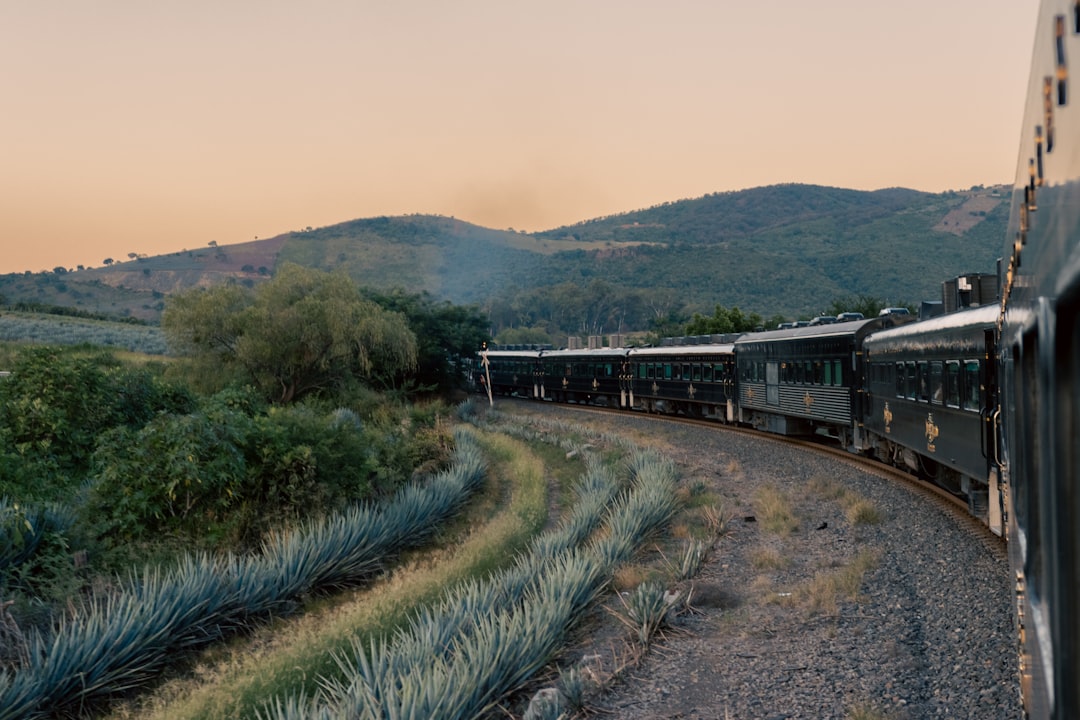
The nationalization is not simply about ownership - it is about building an integrated public transportation network that serves Mexico's economic development rather than private profit margins. The suburban railway currently runs from Buenavista to Cuautitlán, serving thousands of commuters daily in the Mexico City metropolitan area.
The project now includes three interconnected components: the existing suburban line, a new branch opening this Sunday that connects Lechería to the Felipe Ángeles International Airport (AIFA), and an under-construction line from AIFA to Pachuca.
FONADIN, operated by Banobras, will manage the railway with an eye toward replicating the operational efficiency achieved with the Tren El Insurgente, according to government officials. The administration emphasized that this strategic railway will serve as a launching point for future rail projects extending north through Querétaro.
Regional Trend
This move fits a broader pattern across Latin America, where governments are reconsidering the 1990s privatization wave that transferred public assets to private hands. From Argentina to Bolivia, nations are reassessing whether critical infrastructure - water, electricity, transportation - should be profit centers or public services.
The Mexico case is particularly significant because it involves buying back a concession rather than expropriating it, demonstrating that state ownership can be achieved through negotiation rather than confrontation. The deal was structured, validated by government institutions, and executed with the participation of both foreign and domestic private partners.
The Bigger Picture
For Mexico, this is about more than trains. It is about the state's role in shaping economic development and ensuring that infrastructure serves national priorities. Private operators optimize for profit; public operators can optimize for connectivity, accessibility, and regional integration.
The connection to AIFA is strategic - the new airport was built in part to relieve pressure on Mexico City's saturated main airport, but it needs reliable public transportation to succeed. By bringing the suburban railway under public control, the government can coordinate schedules, pricing, and expansion to serve that broader goal.
This is infrastructure as public policy, not just as an asset class. And across Latin America, that distinction is making a comeback.
Twenty countries, 650 million people. Somos nuestra propia historia - and we are writing a new chapter on who builds the future.