Contractors reviewing footage from Meta's Ray-Ban smart glasses are speaking out about what they see: bathrooms, bedrooms, medical appointments, and countless other private moments that users probably didn't intend to share with strangers in a content moderation facility.
This is the dirty secret of "AI-powered" products: there's often a human in the loop. And those humans see everything.
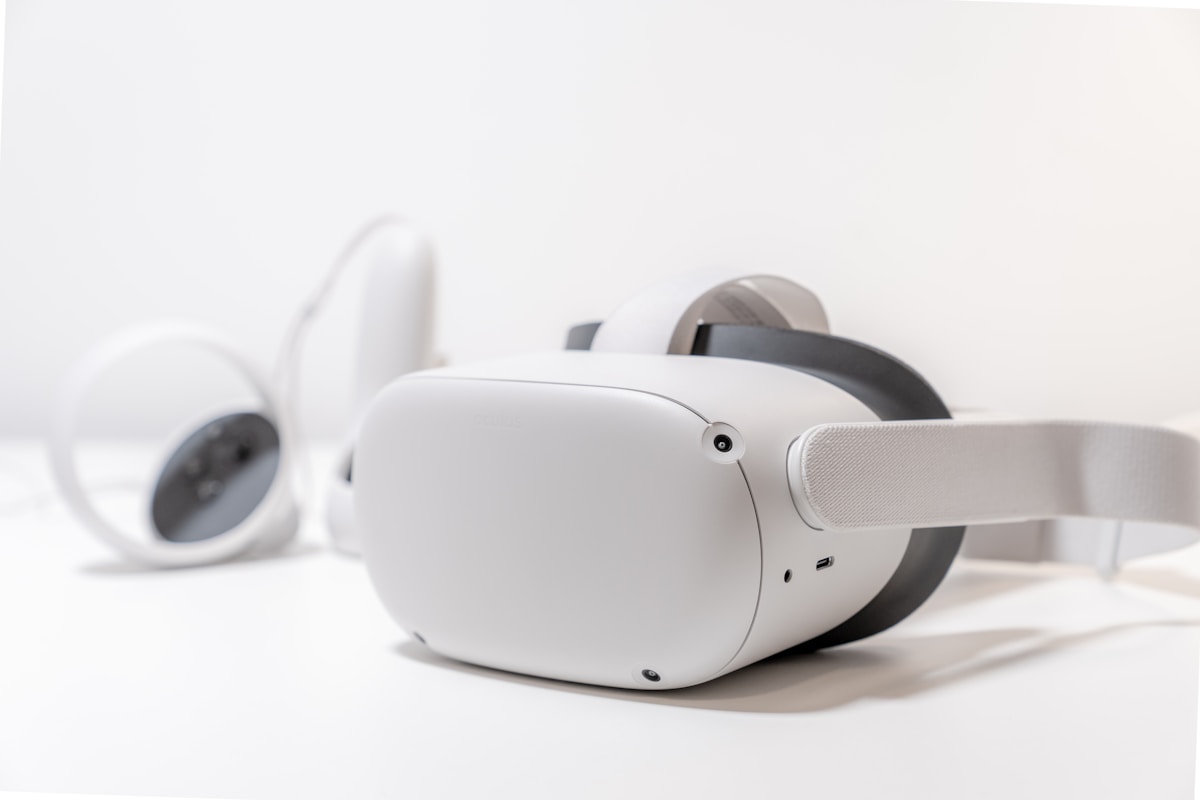
Meta markets these smart glasses as the future of hands-free computing. Snap photos, record video, get AI assistance - all from a pair of normal-looking Ray-Bans. What they don't prominently advertise is that training and improving that AI requires human reviewers watching your footage.
The workers paint a disturbing picture. Private moments that wearers thought were just captured for personal use end up in review queues. Intimate conversations. Medical procedures. Children in bathrooms. The glasses don't distinguish between what should be private and what's safe to review.
And here's the thing: this isn't a bug, it's a feature. You can't build AI systems that understand context without showing them context. You can't train models to recognize inappropriate content without human reviewers labeling what's inappropriate. The pipeline from your glasses to a contractor's screen is by design.
Meta's privacy policy technically discloses this - buried in the fine print that nobody reads. Users consent to data collection for product improvement. But consenting and understanding are different things. How many Ray-Ban smart glasses owners genuinely comprehend that strangers might review their footage?
The gap between Meta's privacy promises and the reality of building AI products is enormous. The company talks about privacy-preserving machine learning and on-device processing. But the messy truth is that creating those privacy-preserving systems requires vast amounts of human review of very personal content.
This isn't unique to Meta. Amazon had contractors listening to Alexa recordings. Apple had reviewers hearing queries. had humans watching camera footage. The entire AI industry is built on human review of data that users assumed was private.