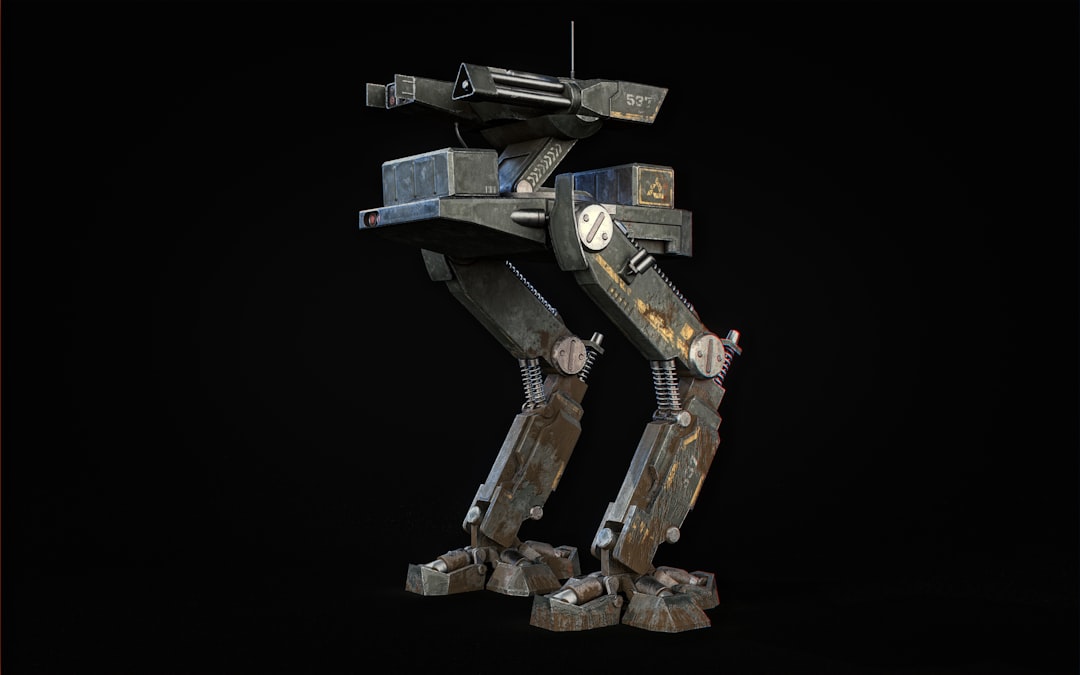
Ukraine reports replacing human soldiers with ground robots in over 21,000 missions during the first quarter of 2026. The deployment represents one of the first large-scale uses of uncrewed ground vehicles (UGVs) in active combat—and it's reshaping modern warfare in real time. This isn't a Black Mirror episode. It's Tuesday in Ukraine. The robotics technology that Silicon Valley demos at trade shows is being tested in the harshest environment imaginable: a shooting war against a near-peer adversary. And it's working. According to reports from Business Insider, Ukraine has deployed ground robots for reconnaissance, logistics, explosive ordnance disposal, and even combat operations. The robots don't get tired, don't need food or water, and don't suffer from fear or morale issues. More importantly, they don't send grieving families a letter when they're destroyed. The scale is what's remarkable. 21,000 missions in three months means roughly 230 missions per day—nearly 10 per hour, around the clock. This isn't experimental. It's operational doctrine. The technology itself isn't revolutionary. Many of these systems are adapted from commercial platforms—quadcopters with added payloads, ground vehicles with remote control systems, off-the-shelf components combined in creative ways. What's revolutionary is the operational deployment at scale. War has always driven technological innovation. World War I saw the introduction of tanks, aircraft, and chemical weapons. World War II accelerated radar, jet engines, and eventually nuclear weapons. The war in Ukraine is doing the same for autonomous and semi-autonomous systems. And the lessons learned aren't staying in Ukraine. Military observers from dozens of countries are watching, taking notes, and adapting their own doctrines. When the war eventually ends, the playbook will be exported globally. That raises uncomfortable questions. If robots can perform military missions effectively, what does that mean for the threshold to use force? When you can send a robot instead of a soldier, does it become easier to escalate? When casualties are machines instead of people, do political constraints on conflict weaken? History suggests that technologies that reduce the cost of war—in blood or treasure—tend to increase the frequency of war. There are also questions about autonomy. Current systems appear to be remotely operated or semi-autonomous, with humans making key decisions. But the operational pressure in combat is toward greater autonomy. When communications are jammed or delayed, systems that can operate independently have a significant advantage. The line between and is blurring in real time on the battlefield. is proving that ground robots work in combat. The question is what happens next—whether we develop international norms around autonomous weapons, or whether we slide into a future where machines make life-and-death decisions without meaningful human oversight. The technology is here. The policy conversation is lagging far behind.
|