
Beneath the sun-drenched surface of the Mediterranean Sea, a profound transformation is unfolding—one visible only through microscopes yet reverberating through entire food webs. Scientists have documented the first comprehensive evidence that the ancient sea's microscopic plankton communities are undergoing "tropicalization," fundamentally reshaping marine ecosystems that have remained stable for millennia.
Researchers from the <org>Institute of Environmental Science and Technology</org> at <org>Universitat Autònoma de Barcelona</org> analyzed marine sediment records spanning two thousand years, revealing dramatic shifts in plankton populations linked directly to rising ocean temperatures. The findings, published in Global and Planetary Change, illuminate how climate change is rewriting the rules of life at the foundation of marine ecosystems.
"Rising sea surface temperatures have already altered the base of marine food webs," explained lead researcher Arturo Lucas, whose team uncovered contrasting responses between two critical plankton groups that together form the invisible architecture supporting Mediterranean marine life.
The Microscopic Invasion
At the heart of this transformation lies Gephyrocapsa oceanica, a warm-water coccolithophore—microscopic photosynthetic algae encased in intricate calcium carbonate plates—typically found in tropical Atlantic waters. This species has become increasingly abundant in the western Mediterranean since the Industrial Era, serving as a living thermometer documenting the sea's warming.
The research revealed that coccolithophore diversity has increased rapidly over the past century and a half, as warm-water species migrate northward into historically cooler waters. Meanwhile, foraminifera—tiny zooplankton that occupy a different ecological niche—experienced declining diversity during the same period, suggesting the transformation favors some life forms while disadvantaging others.
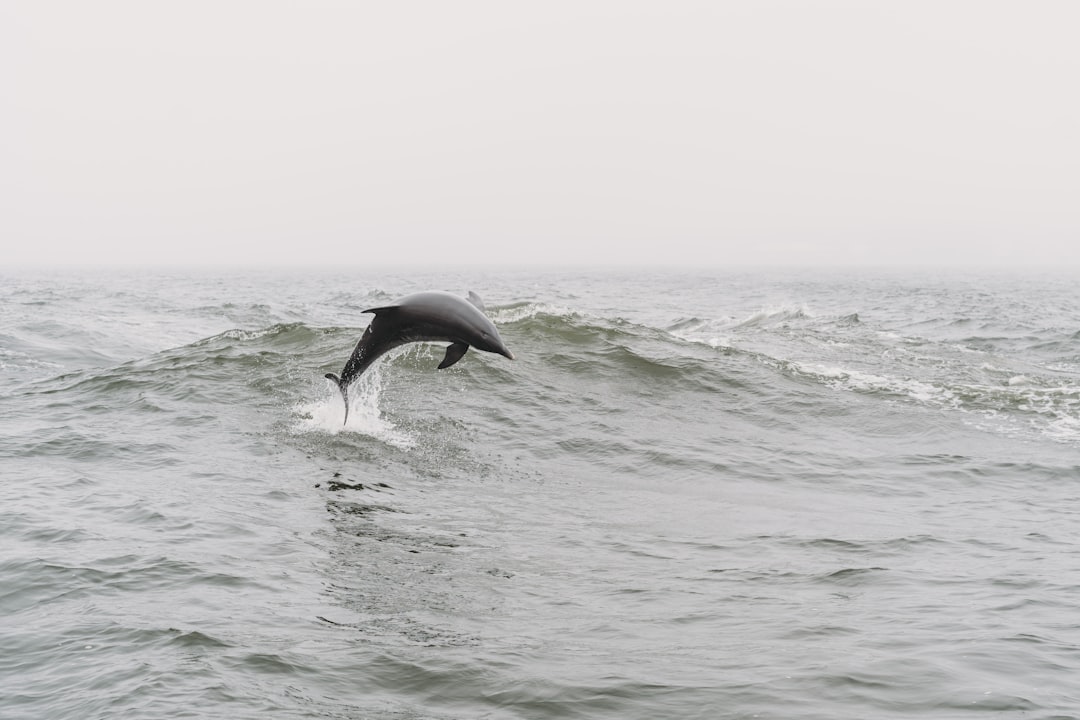
These shifts represent more than academic curiosities. Plankton constitute the foundation of marine food webs, supporting everything from sardines to dolphins. Changes in their composition cascade upward, potentially altering fish populations, seabird breeding success, and the livelihoods of coastal communities that depend on Mediterranean fisheries.
Reading the Sediment Archive
The researchers' methodology resembled reading Earth's diary. By extracting sediment cores from the seafloor, they analyzed fossilized plankton shells layer by layer, reconstructing how communities responded to temperature fluctuations across two millennia. The technique revealed that recent changes dwarf natural variability documented over centuries.
Tropicalization—the expansion of warm-water species into traditionally cooler regions—represents one of climate change's most pervasive yet underappreciated impacts. In the Mediterranean, a sea bordered by three continents and culturally intertwined with human civilization for thousands of years, this transformation carries particular significance.
The Mediterranean is warming 20% faster than the global ocean average, creating conditions that favor tropical species while squeezing cold-water organisms toward extinction in a sea with no cooler waters to which they can retreat. Unlike the open ocean, the Mediterranean's semi-enclosed geography offers limited escape routes for species fleeing warming waters.
Cascading Through Food Webs
The implications extend far beyond microscopic organisms. Plankton support sardine and anchovy populations that sustain Mediterranean fisheries worth billions of euros annually. Bluefin tuna, seabirds, and marine mammals all depend on food webs rooted in these microscopic communities.
Changes in plankton composition can alter nutrient cycling, carbon sequestration, and oxygen production—the invisible processes that make oceans habitable. Coccolithophores play a particularly important role in the global carbon cycle, incorporating carbon into their calcium carbonate shells that eventually sink to the ocean floor, sequestering carbon for millennia.
The research arrives as other Mediterranean species document similar transformations. Tropical fish species now breed in northern Mediterranean waters, while jellyfish populations explode in overheated, overfished seas. The cumulative evidence paints a picture of an ecosystem in flux, its ancient equilibrium disrupted by human-driven climate change.
The Path Forward
Understanding these shifts remains critical for managing Mediterranean ecosystems and the human communities depending on them. Fisheries managers need to anticipate how changing plankton communities will affect commercially important species. Conservation efforts must account for the reality that preserving current ecosystems may prove impossible—instead requiring strategies that help ecosystems adapt to unavoidable changes while minimizing additional stressors like pollution and overfishing.
The plankton findings also underscore a broader truth: climate change impacts life at every scale, from microscopic algae to apex predators. In nature, as across ecosystems, every species plays a role—and humanity's choices determine whether the web of life flourishes or frays.
The Mediterranean, cradle of Western civilization, now serves as a laboratory documenting how human activities reshape the natural world. The question remains whether humanity will respond to these microscopic warnings before the entire web unravels.