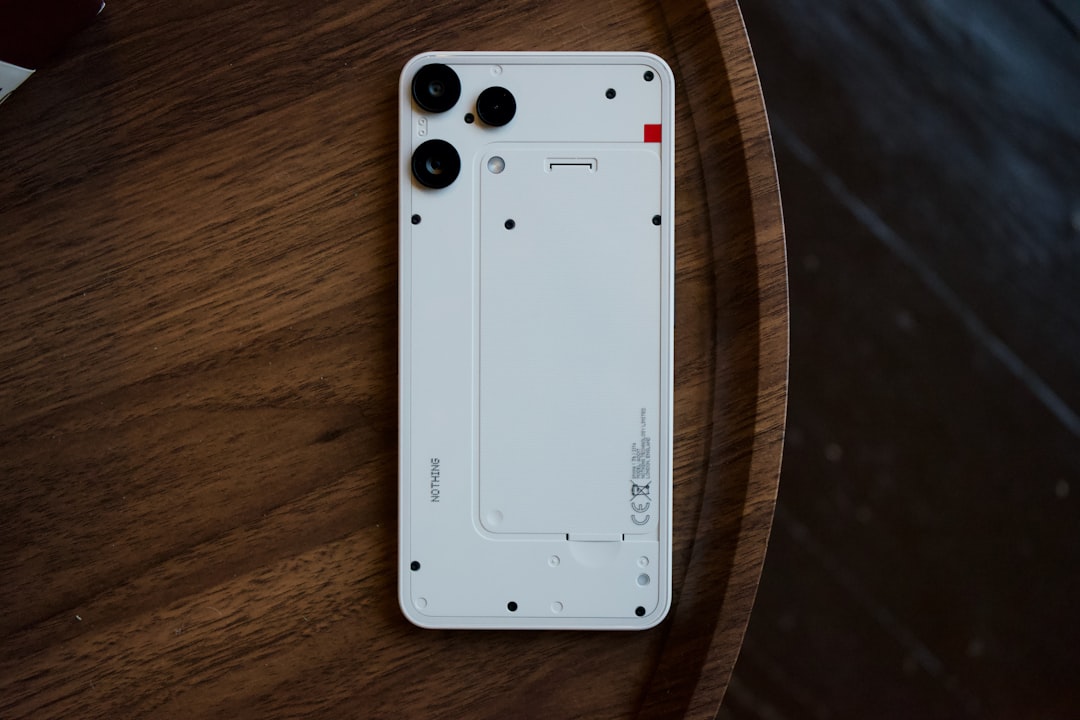
A new ultra-compact smartphone called The Meadow ships without a web browser, social media apps, or email - by design. It's a deliberate rejection of smartphone feature creep and a bet that some people will pay for a device that deliberately limits what they can do. This is either brilliant minimalism or an expensive toy for the digitally exhausted.
The specs are striking for what they omit. No web browser. No social media. No email client. No app store in the traditional sense. What does it have? Calls, texts, maps, music, camera, and a curated selection of utility apps. It's essentially a feature phone in a modern hardware package, priced like a smartphone.
The target market is people who feel their relationship with their phone is unhealthy but don't trust themselves to use a regular smartphone with restraint. Digital wellness as a hardware solution. Instead of relying on screen time limits or willpower, you buy a phone that physically can't access the things you're trying to avoid.
The Reddit gadgets community is split. Some see this as liberation from constant connectivity. Others point out that you can achieve the same result by just... not installing apps on a regular phone, and you'd have more flexibility if you need capabilities later. There's also skepticism about the price point - why pay smartphone money for a device that deliberately does less?
I get the appeal, but I'm skeptical. I built a startup. I know the seduction of solving social problems with product design. But phones aren't the problem - our relationship with information and social connection is the problem. A phone that limits access doesn't address why we feel compelled to constantly check social media or email. It just removes the tool we use to do it.
The technical implementation is actually interesting. The Meadow runs a custom Android fork that's been stripped down to bare essentials. The OS is stable, the battery life is excellent (fewer features means less power draw), and the hardware is solid. As an engineering exercise, it's well executed.
But as a solution to digital wellness, it feels like treating symptoms rather than causes. People who buy this will either love it and use it successfully, or they'll carry it alongside a regular phone and defeat the entire purpose. My prediction: The Meadow finds a small, dedicated audience and remains a niche product. The people who need this won't buy it. The people who buy it probably didn't need it.
That said, I appreciate the contrarian thinking. The entire smartphone industry optimizes for engagement and feature addition. Someone building a phone that deliberately does less is at least asking interesting questions about what technology should do for us. The execution might not solve the problem, but I respect the attempt.