A 22-year-old Virginia Tech student just built an open-source AI system running on a single consumer GPU that outperforms Claude Sonnet 4.5 on coding benchmarks. It costs pennies per task instead of API fees. If this holds up under scrutiny, it's a threat to the entire foundation of billion-dollar AI infrastructure plays.
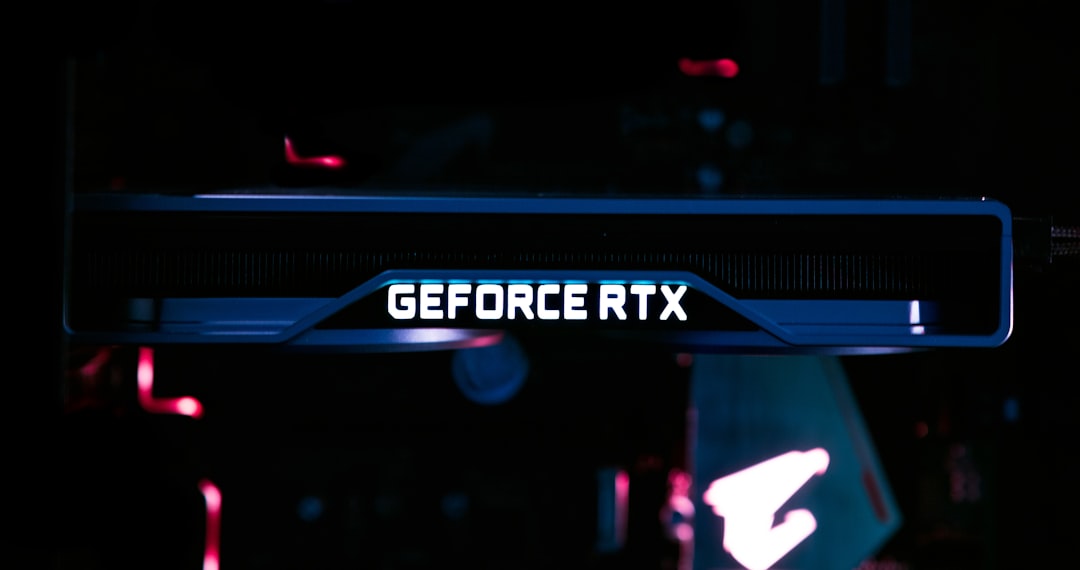
The project is called ATLAS, and the numbers are striking. Running on a $500 consumer graphics card, it scored 74.6% on LiveCodeBench - a benchmark testing AI coding ability across 599 real programming problems. Claude Sonnet 4.5 scored 71.4% on the same benchmark. The base model ATLAS uses only scores around 55%. The difference comes from smart architecture, not brute force compute.
Here's the technical approach: ATLAS generates multiple solution approaches for each problem, tests them, and selects the best one. It's not a better language model - it's a better system around a small model. The pipeline adds nearly 20 percentage points to the base model's performance. Cost per task? About $0.004 in electricity. No cloud fees. No API costs. Just local inference on hardware you can buy at Best Buy.
I need to be clear about what this is and isn't. This is one benchmark, self-reported by the project creator. LiveCodeBench is legitimate, but benchmarks can be gamed. The test set might overlap with training data. The specific problems might favor ATLAS's multi-attempt approach. I'd want to see independent verification before calling this a breakthrough.
That said, the Reddit artificial intelligence community is taking it seriously. Engineers who've looked at the code note that the approach is sound - it's basically what human programmers do when solving problems, broken down into discrete steps that AI can handle. Multiple attempts, testing, selection. It's engineering, not magic.
The implications, if this generalizes, are profound. The entire AI infrastructure race is predicated on the assumption that bigger models running on more expensive hardware are the only path to better performance. If smart architecture can bridge that gap, companies racing to build ever-larger data centers might be solving the wrong problem. OpenAI, Anthropic, and are spending billions on compute. A college student is competing with a $500 GPU and cleverness.