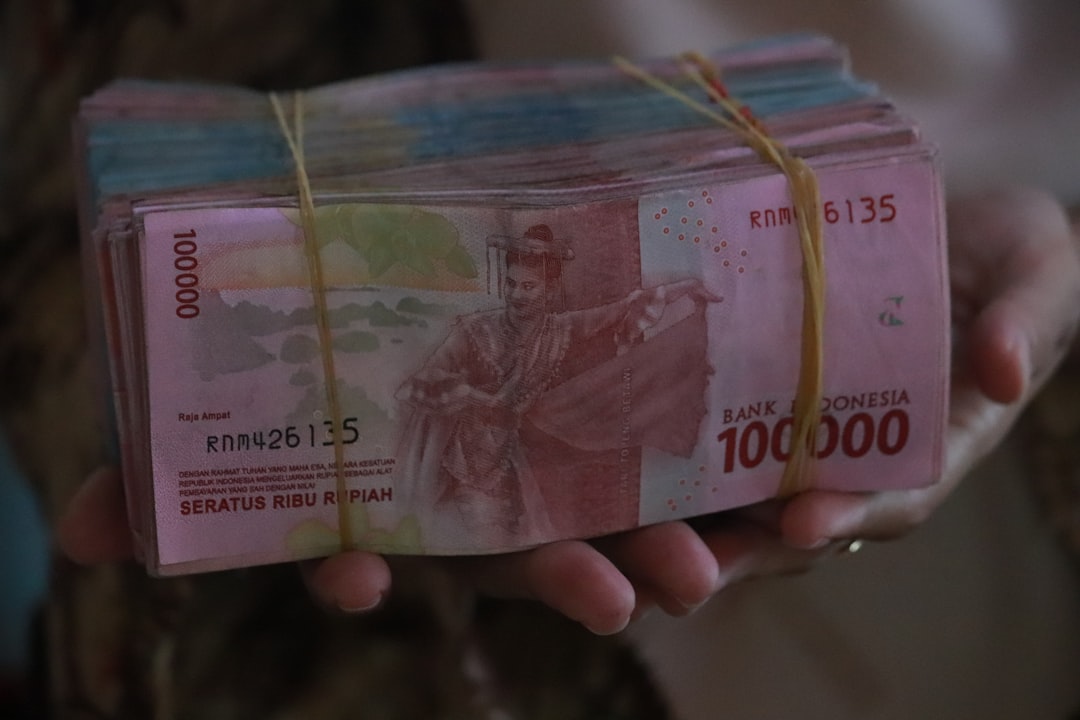

Malaysia's Immigration Department faces public scrutiny over claims it costs RM90 (USD 20) daily to feed each detained immigrant, a figure that sparked outrage across social media and questions in Parliament about detention center management.
"Are the authorities kidding?" asked Focus Malaysia in a report that captured widespread public reaction to the disclosure. The amount equals roughly three times what average Malaysians spend on daily meals, raising questions about procurement practices, contractor markups, or potential inefficiency in the detention system.
The controversy emerges as Malaysia grapples with managing hundreds of thousands of undocumented migrants from Indonesia, Myanmar, Bangladesh, and the Philippines. The country operates multiple detention centers nationwide, housing migrants awaiting deportation or immigration hearings.
Officials have not provided detailed breakdowns of the RM90 figure, leaving unclear whether it covers only food or includes broader operational costs allocated per detainee. The lack of transparency fuels speculation about contractor relationships and whether the government receives value for money in managing facilities.
For ASEAN's migrant labor dynamics, the issue highlights broader questions about how destination countries manage workers who fall outside legal frameworks. Malaysia employs an estimated 2-4 million foreign workers legally, with perhaps another million undocumented. When economic downturns hit or political pressure mounts, authorities conduct raids that fill detention centers with migrants awaiting deportation.
The costs compound quickly. If Malaysia detains 10,000 people at RM90 daily, the monthly feeding bill alone reaches RM27 million (USD 6 million). Detention operations also include guards, facilities, medical care, and eventual deportation - expenses that accumulate while migrants await processing.
Some policy advocates argue the cost underscores the inefficiency of detention-focused immigration enforcement. "If we spent this money on regularization programs and work permits, migrants would contribute to the economy rather than draining resources in detention," a Kuala Lumpur-based labor rights researcher noted.
But political pressures push authorities toward enforcement. Malaysian voters periodically demand crackdowns on undocumented workers, particularly when unemployment rises or crime is blamed on foreign populations. Politicians respond with raids and detention, even when the fiscal logic suggests alternatives would cost less and generate revenue through legal work permits.
The RM90 figure also raises questions about contractor relationships. Malaysia's detention centers typically outsource food service to private companies. If those companies charge RM90 per person daily for basic meals, the markup suggests either gold-plated procurement or inflated contracts that merit investigation.
Public reaction reflects broader frustration with government spending. Malaysians see RM90 as excessive for feeding people in detention when many citizens struggle with food inflation. The optics - spending lavishly on detained migrants while citizens face economic pressure - create political vulnerabilities for the government.
For Indonesia, the detention costs add another dimension to bilateral tensions over worker treatment. Jakarta has long criticized Malaysia's handling of Indonesian migrants, from wage theft to abuse in detention. High feeding costs suggest Malaysia spends on detention infrastructure rather than addressing root causes like regularization pathways.
Ten countries, 700 million people, one region - and one country is discovering that the cost of detaining migrants may exceed the political benefits of appearing tough on immigration enforcement.