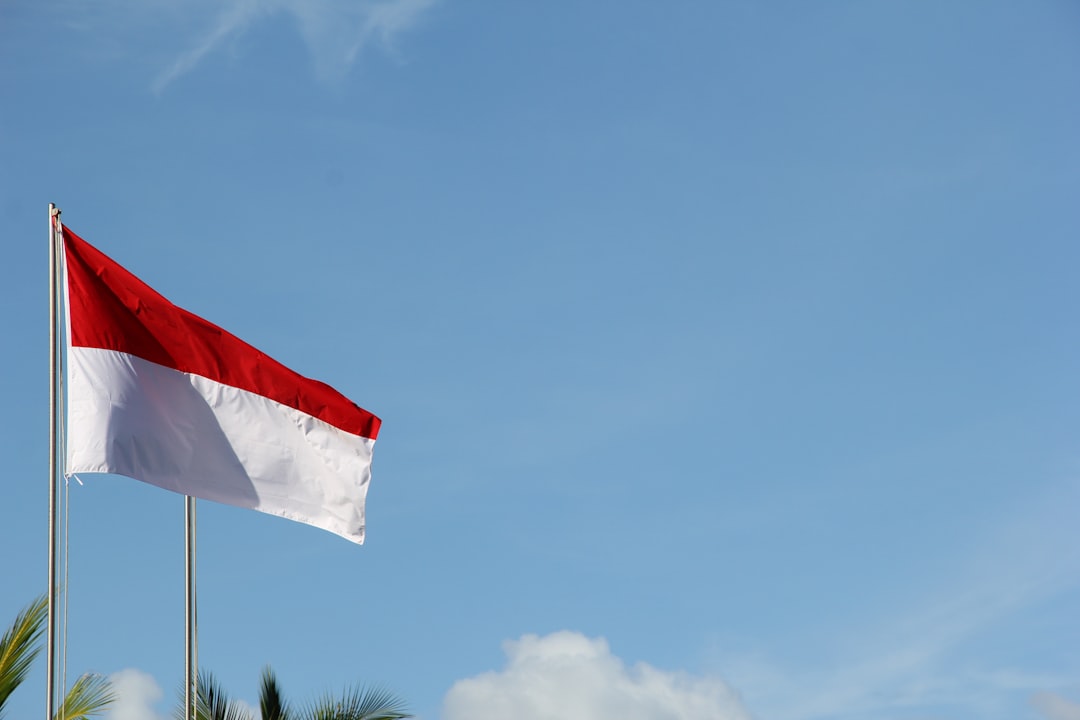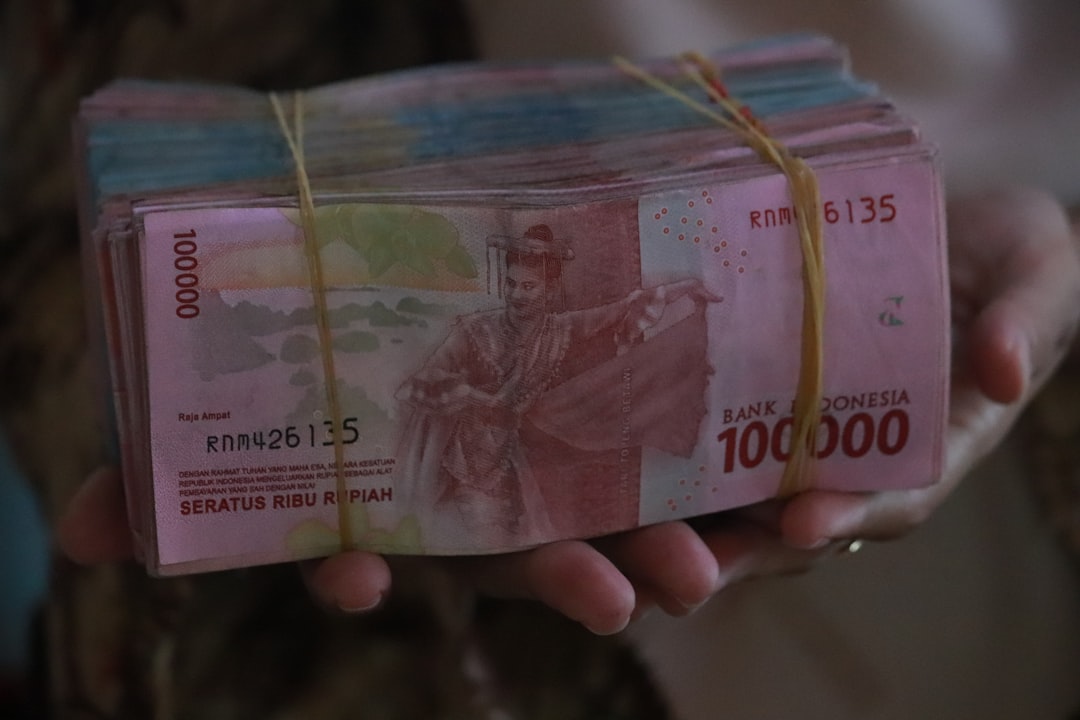
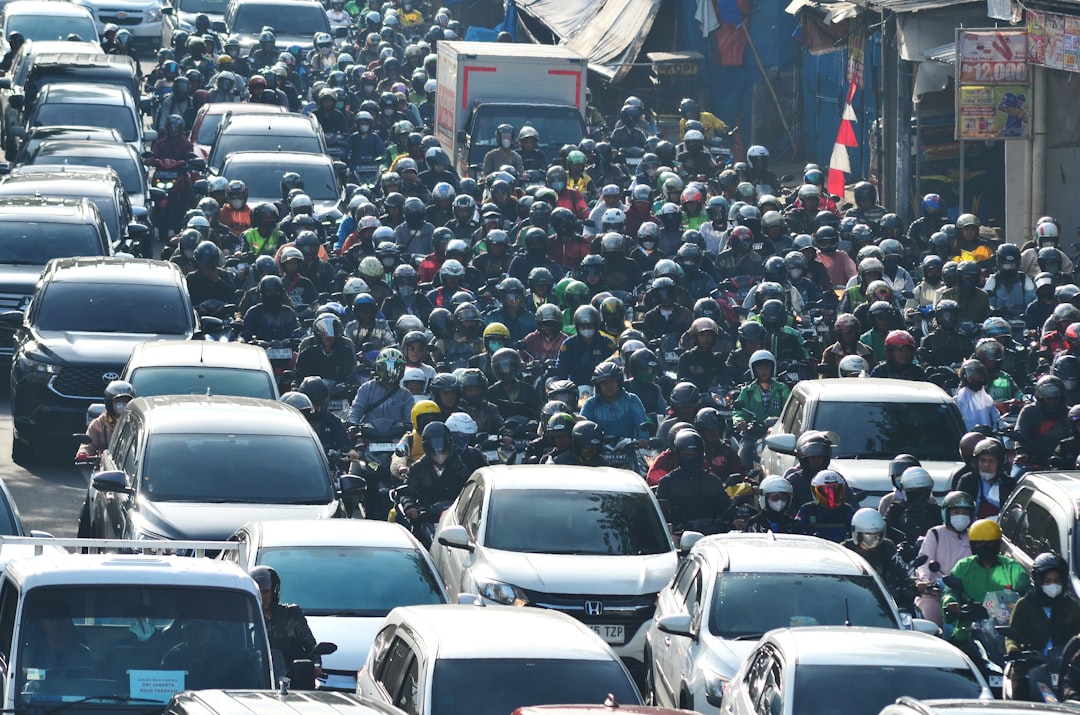
On the 28th anniversary of President Suharto's resignation, Indonesia confronts an uncomfortable reality: growing nostalgia for the authoritarian era threatens to obscure the human rights abuses and corruption that defined three decades of New Order rule.
The phrase "Piye kabare? Penak jamanku to?" (How are you? My era was better, wasn't it?) has evolved from dark humor into a genuine sentiment among Indonesians frustrated by economic inequality, corruption, and political gridlock in the democratic era. Twenty-eight years after Suharto stepped down on May 21, 1998, the rose-tinted retrospective reveals anxieties about whether Reformasi delivered on its promises.
The 1997 Asian financial crisis devastated Indonesia's economy, triggering mass protests that forced Suharto's resignation after 32 years in power. His successor, Vice President B.J. Habibie, initiated democratic reforms that transformed Indonesia into the world's third-largest democracy. Yet the democratic transition came with messy coalitional politics, regional autonomy demands, and persistent corruption.
Younger Indonesians, who never experienced the systematic repression of dissent or the 1965-66 anti-communist purges that killed hundreds of thousands, sometimes romanticize the economic stability and infrastructure development of the Suharto years. In Indonesia, as across archipelagic democracies, unity in diversity requires constant negotiation across islands, ethnicities, and beliefs—negotiations that can feel exhausting compared to authoritarian efficiency.
However, historians and human rights advocates warn against historical amnesia. The Suharto regime's forced disappearances, military violence in East Timor and Aceh, and systematic extraction of natural resources enriched a small elite while suppressing democratic participation. The regime's control extended from Jakarta to the outer islands through a combination of military presence and political patronage.
President Prabowo Subianto, a former general who served under Suharto and was once his son-in-law, now leads Indonesia's government. His election reflects the complex legacy of that era—Prabowo's combination of nationalist rhetoric and promises of economic development echoes elements of New Order governance, though within democratic constraints.
The nostalgia phenomenon extends beyond Indonesia. Across the world, from Russia to the Philippines, economic frustration has fueled longing for authoritarian "stability." Indonesia's democratic consolidation offers a counternarrative: despite imperfections, the country has conducted multiple peaceful transfers of power, maintained press freedom, and allowed civil society to flourish.
Indonesia's success in sustaining democracy while respecting Islamic values, regional autonomy, and ethnic diversity remains a model that challenges simplistic narratives about governance in Muslim-majority societies. The challenge now is ensuring that democratic institutions deliver tangible improvements in living standards—the only sustainable antidote to authoritarian nostalgia.