
Malaysia's fuel subsidy bill exploded from RM700 million to RM3.2 billion in less than a week, Prime Minister Anwar Ibrahim announced Saturday, exposing the paradox of an oil-producing nation vulnerable to global price shocks.
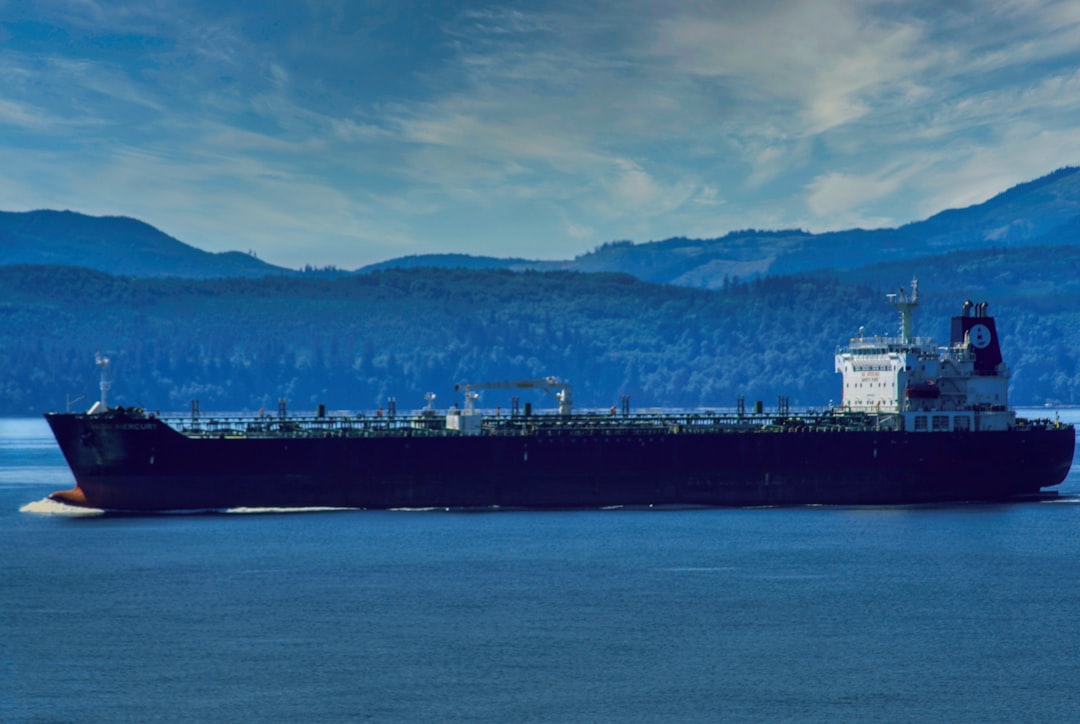
The subsidy surge followed Iran's closure of the Strait of Hormuz after military escalation with Israel and the United States that began February 28. Nearly half of Malaysia's oil supply transits through that waterway, making the country acutely exposed despite its status as a net petroleum producer.
"Malaysia imports more crude than it exports," Anwar explained in a Facebook post. When the strait closed, global oil markets tightened and prices spiked, forcing Kuala Lumpur to absorb the difference between world rates and domestic pump prices.
The government channels protection through two mechanisms: Budi95, which subsidizes RON95 petrol, and Budi Diesel. Without these programs, Malaysian households and businesses would face the full brunt of oil at crisis-level pricing.
The RM3.2 billion hemorrhage—roughly USD 720 million—illustrates the fiscal pressure Southeast Asia's energy-producing nations face when geopolitical disruptions hit global supply chains. Malaysia produces approximately 500,000 barrels per day but consumes nearly 800,000, making it structurally vulnerable to transit chokepoints.
For Anwar, the subsidy explosion complicates broader fiscal reform. His government has sought to rationalize fuel subsidies by targeting assistance to lower-income Malaysians rather than universal blanket support, but West Asia instability makes that politically fraught when prices surge.
The crisis underscores how Southeast Asia's oil states—, , —remain price-takers in global markets despite local production. Geography determines vulnerability: proximity to supply sources matters less than control of transit routes, and the remains the world's most critical oil chokepoint.