The question surfaces in every Southeast Asia backpacker forum, and the answers are almost always contradictory. Do you need anti-malarial medication for the classic Banana Pancake Trail through Thailand, Laos, Cambodia, and Vietnam? The short answer is: it depends entirely on where you are going, and the generic advice — "check the red zones" — is not sufficient preparation for making an informed decision.
A backpacker currently on the ground in Thailand raised the question on r/backpacking, noting that most available online threads are dated or region-vague, and that obtaining prescription medications after arrival had already proved difficult. The concerns are legitimate and worth addressing clearly.
The Risk Varies Dramatically by Country and Region
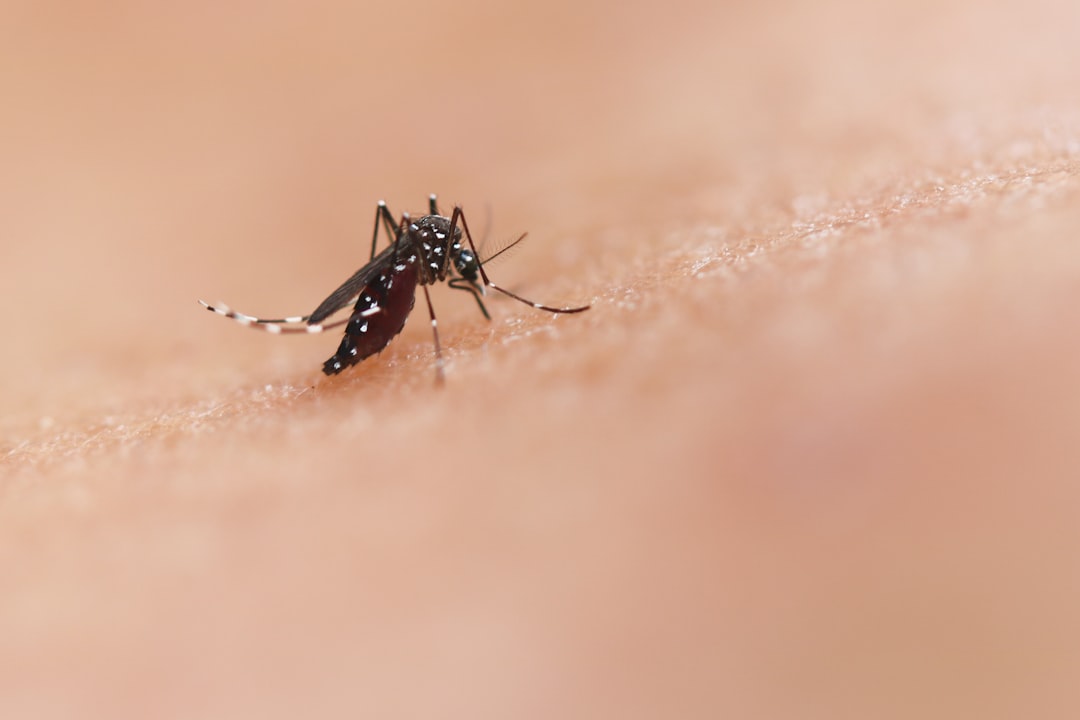
The Thailand islands and tourist trail — Bangkok, Chiang Mai, Koh Samui, Koh Phangan, Phuket, Krabi — carry minimal to negligible malaria risk and are not areas where anti-malarials are generally recommended by travel medicine physicians. The primary mosquito concern in urban and island Thailand is dengue fever, for which there is no prophylactic medication; protection against dengue (which is also present across the region) requires mosquito avoidance, not pills.
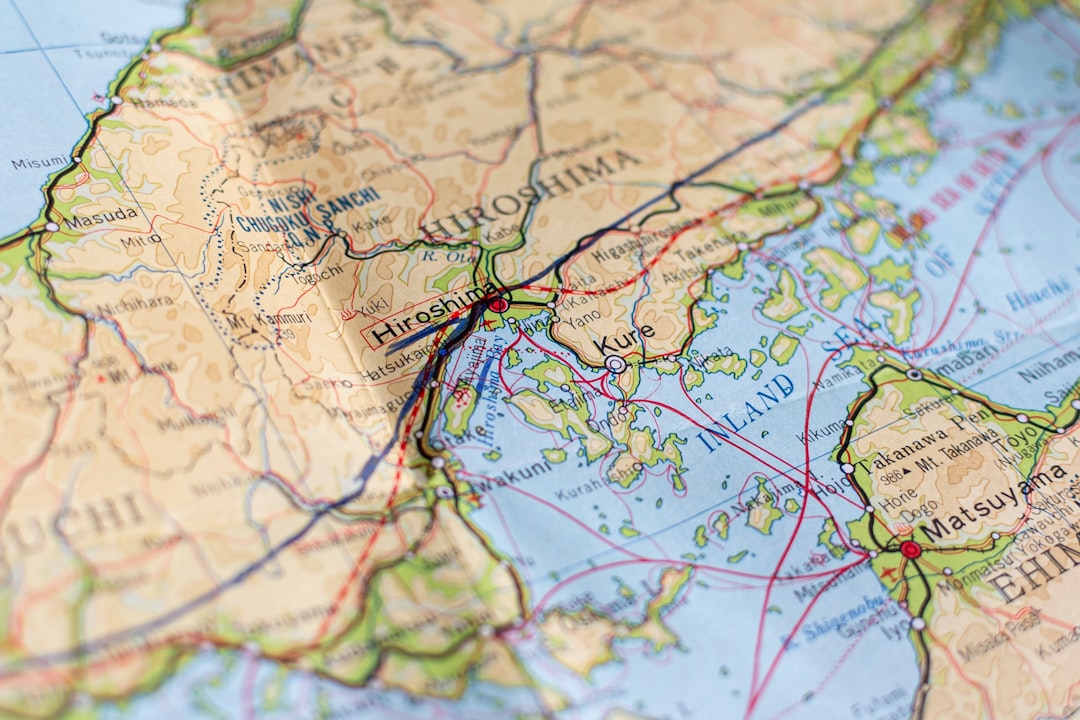
Risk increases materially in border regions and remote jungle areas: the Thai-Myanmar border, parts of southern Cambodia near the Thai frontier, and highland jungle zones in Laos and Myanmar. Travelers heading specifically to these areas — particularly those doing trekking or volunteer work in rural communities — should consult a travel medicine physician before departure.
Vietnam's major tourist cities (Hanoi, Ho Chi Minh City, Hoi An, Da Nang) are considered low-risk. The rural Mekong Delta and remote northern highlands carry higher theoretical risk, though cases in travelers remain rare.
The Medication Options and Their Complications
The three main anti-malarials used by travelers are doxycycline (daily, cheap, requires sun protection), Malarone (atovaquone-proguanil, daily, expensive, well-tolerated), and mefloquine (weekly, cheaper, but associated with neuropsychiatric side effects that make it less commonly prescribed now). All three require prescriptions in most Western countries.
The challenge flagged by the backpacker in the Reddit thread — obtaining prescription medications after arrival — is real. Getting Malarone authentically in Southeast Asia is difficult. Pharmacy availability varies widely, and counterfeit medications are a documented problem in the region, including for anti-malarials. The World Health Organization has flagged counterfeit artesunate (used for malaria treatment) as a significant issue in Southeast Asia. This is the strongest practical argument for obtaining any needed prescriptions before departure.
What Travel Medicine Physicians Recommend
The CDC's country-specific travel health information and the UK's Fit for Travel NHS resource both provide destination-specific risk assessments updated regularly. Both sites allow travelers to look up specific countries and regions. These are the authoritative sources — not Reddit threads from 2019 or generic travel blogs.
The practical recommendation for the classic Banana Pancake Trail traveler (Bangkok-Chiang Mai-Luang Prabang-Vang Vieng-Vientiane-Siem Reap-Phnom Penh-HCMC-Hanoi): if you are sticking to established tourist routes and cities, anti-malarials are generally not warranted, and a travel medicine physician will likely tell you so. Your mosquito protection dollars are better spent on a quality DEET-based repellent (30–50% concentration) and a treated bed net for guesthouses without screens.
If your route includes remote trekking, jungle volunteer work, or overland border crossings into Myanmar or rural Cambodia, the calculation changes. See a travel medicine physician before you leave — not after you land. That is the one recommendation that applies universally.