Travelers planning Peru trips face a confusing web of decisions: which circuit offers the best experience, how far in advance to book tickets with specific entry times, and whether to book Salkantay trek tours in advance or risk waiting until arrival in Cusco—highlighting how complex visiting one of the world's most famous sites has become.
The questions posted on r/solotravel reflect challenges many travelers encounter when planning Machu Picchu visits in the era of timed entries and circuit restrictions.
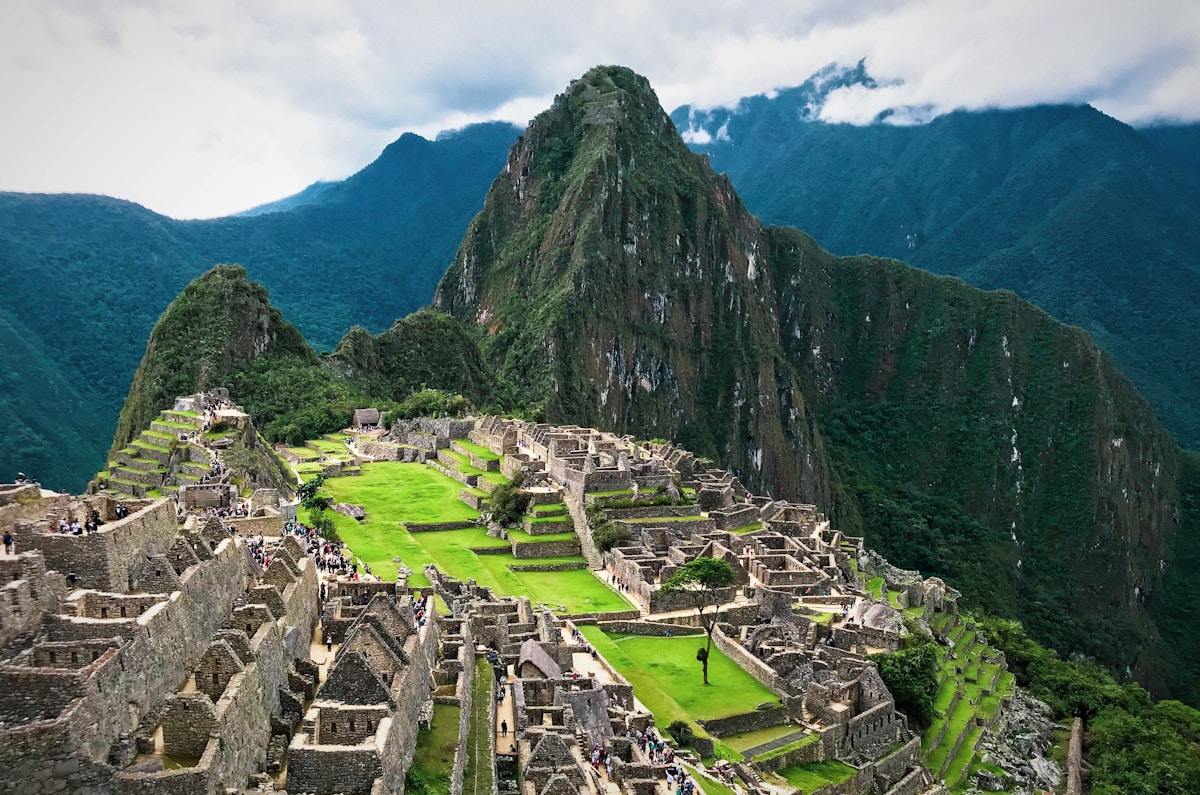
The circuit question: Machu Picchu is now divided into circuits with different access to viewpoints and ruins. The traveler asked which is "generally considered the best for a first visit." Circuit 2 is frequently recommended because it includes both classic viewpoints and access to the main ruins—but availability varies by season, and circuits change periodically as the site manages overtourism.
The booking timeline: The site requires specific entry times, creating a planning dilemma. Book too early and you lock in dates before knowing if weather, altitude sickness, or travel delays will affect your schedule. Book too late and preferred circuits or times sell out. Official Machu Picchu ticketing shows availability can disappear weeks or months in advance during high season (May-September).
Travelers report booking 2-4 weeks in advance for shoulder season works, but high season often requires 1-2 months. The specific entry time adds pressure—if you miss your slot due to transportation delays from Aguas Calientes, you lose the ticket.
The Salkantay trek dilemma: The 4-5 day Salkantay trek is a popular alternative to the permit-restricted Inca Trail. The traveler asked whether to book in advance or wait until arriving in Cusco, seeking