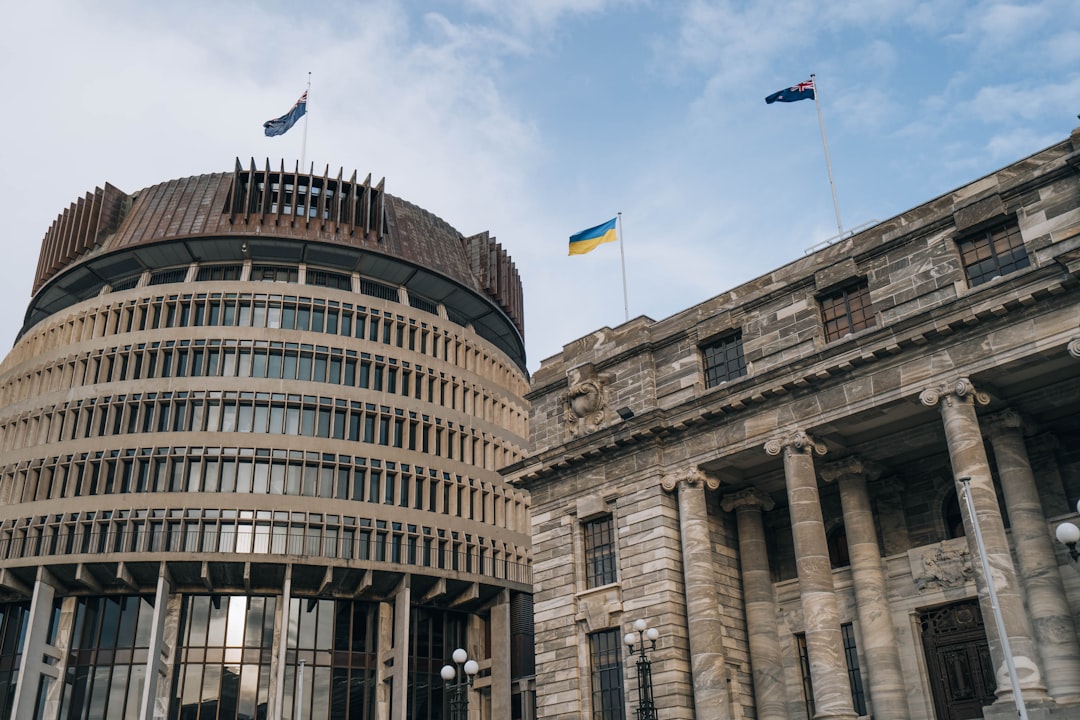
Prime Minister Christopher Luxon is doing his best impression of a politician who didn't hear the question. Stuff asked him 13 questions about the Trump administration's reported pressure on New Zealand to join efforts to reopen the Strait of Hormuz. His office replied with a short statement that answered precisely none of them.
Welcome to New Zealand foreign policy in 2026: caught between Washington's demands and its own independent Pacific identity, and hoping if you don't make eye contact, the problem goes away.
The Strait of Hormuz, the narrow waterway between Iran and Oman, is one of the world's most critical oil chokepoints. Roughly a third of global seaborne oil passes through it. When tensions flare between Iran and the West, the strait becomes a flashpoint.
Now the Trump administration is reportedly leaning on allies, including New Zealand, to contribute to efforts to keep it open. The problem for Wellington is that any military involvement in the Middle East would mark a significant shift in New Zealand's traditionally cautious foreign policy.
New Zealand has long positioned itself as an independent voice in the Pacific, not automatically rubber-stamping American foreign policy. It refused nuclear-powered ships in the 1980s, stood apart from the Iraq War, and has carefully maintained relationships across the region without picking unnecessary fights.
But Luxon's non-response suggests he's caught in a bind. Say yes to , and you alienate voters who don't want dragged into conflicts. Say no, and you risk damaging the relationship with most important security partner.