BRUSSELS — Former Italyan Prime Minister Enrico Letta has issued a stark warning that Europe risks becoming a "colony" of the United States and China without greater integration, using deliberately provocative language that breaks with the typically cautious rhetoric of European officials.
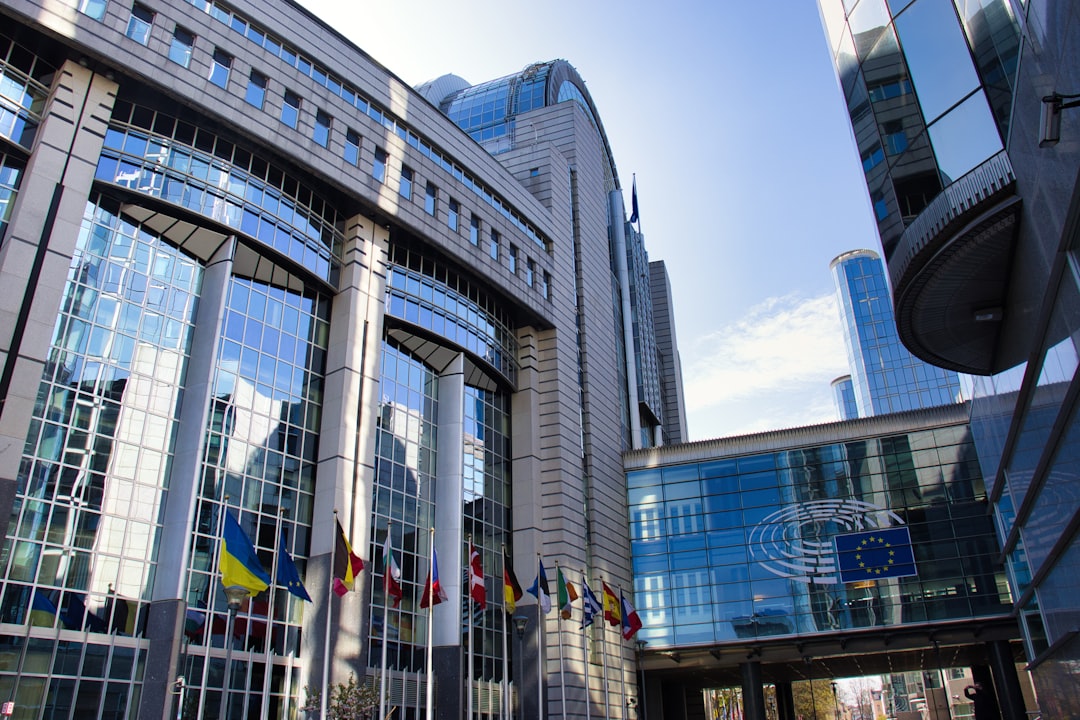
Speaking at a policy forum in Brussels, Letta, who now serves as an advisor on European competitiveness, argued that the 27-member bloc faces strategic irrelevance unless it can act with unity on economic, technological, and security matters. The "colony" framing is not typical Brussels-speak — it signals a level of alarm about Europe's geopolitical vulnerability that few establishment figures have been willing to articulate so bluntly.
To understand today's headlines, we must look at yesterday's decisions. Europe emerged from World War II divided and dependent on American security guarantees. The European integration project was designed to create autonomy through economic power. Seven decades later, Letta argues, that project has stalled precisely when it matters most.
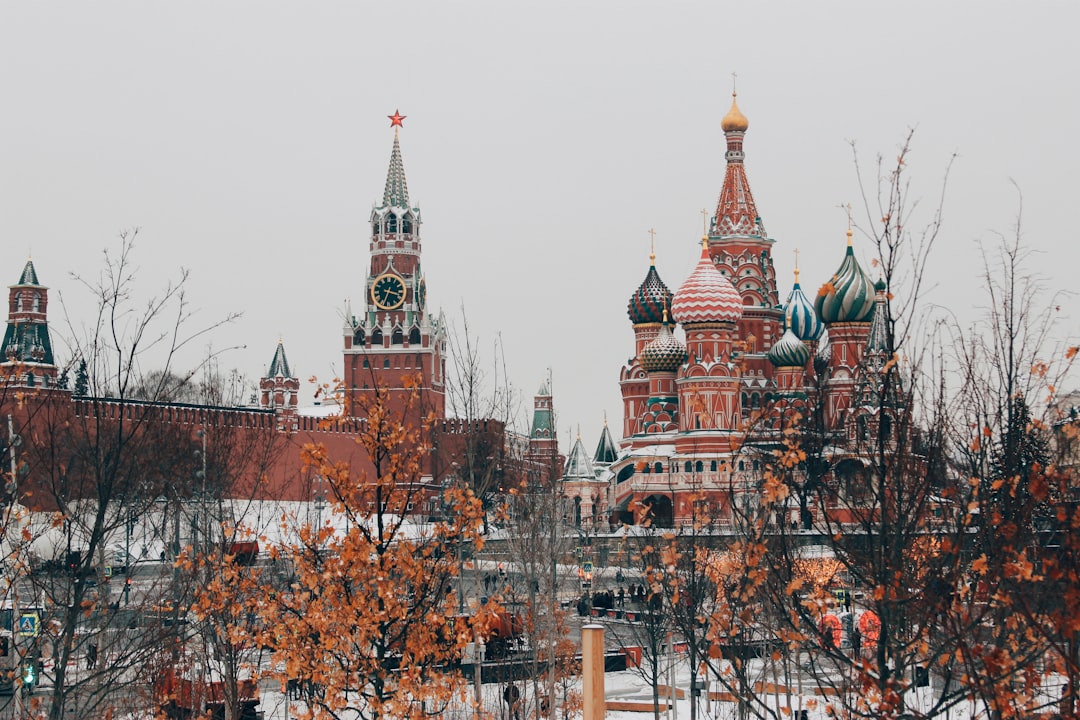
"We are caught between two giants," Letta said. "The United States provides our security but increasingly pursues 'America First' policies that treat European interests as secondary. China offers economic opportunities but on terms that create dependencies we cannot afford. If Europe does not develop its own capabilities, we will be a colony in all but name."
The language is carefully chosen. "Colony" evokes Europe's own imperial history, now reversed with Europeans as the subjected rather than the subjectors. It suggests a loss of sovereignty and strategic autonomy that goes beyond simple alliance relationships.
The economic evidence supports Letta's concern. Europe remains dependent on the United States for advanced semiconductors, cloud computing infrastructure, and artificial intelligence platforms. It relies on China for rare earth minerals, battery technology, and increasingly, renewable energy components.
These dependencies translate into political constraints. When the United States imposed sanctions on Huawei, European telecommunications companies had little choice but to comply, despite the costs. When China threatens economic retaliation over Taiwan-related issues, individual European countries often buckle rather than stand firm.
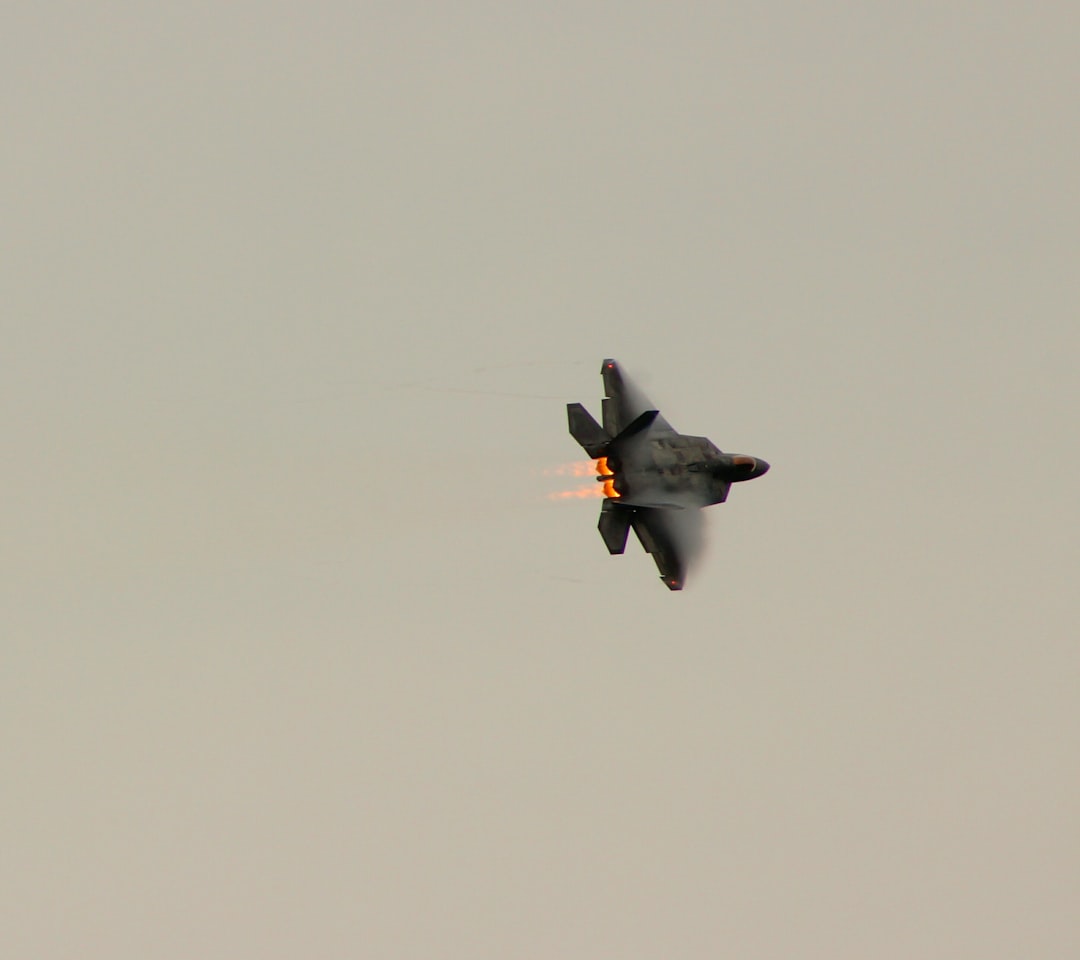
The security dimension is even more acute. Europe depends almost entirely on American military power for deterrence against Russia. European defense industries have atrophied, unable to compete with American giants like Lockheed Martin or emerging Chinase capabilities. Without U.S. satellites, intelligence, and logistics, European militaries struggle to conduct significant operations.
Letta points to specific failures. The EU has struggled to create a unified digital market, allowing American tech companies to dominate. It has failed to develop a common energy policy, leaving individual countries vulnerable to supply disruptions. It lacks the capital markets depth to fund innovation at the scale of America or China.
"Every day we delay integration, we become more dependent," Letta argued. "The question is not whether Europe needs sovereignty — it's whether we have the political will to claim it before it's too late."
The challenge is that European integration requires member states to cede sovereignty to EU institutions — precisely what makes many governments reluctant. France jealously guards its UN Security Council seat and nuclear weapons. Germany protects its fiscal conservatism. Smaller states fear domination by larger ones.
Letta's proposal centers on completing the single market, particularly in digital services and capital markets; creating a genuine European defense industry with joint procurement; and developing technological sovereignty in critical sectors like semiconductors and artificial intelligence.
Critics argue this amounts to European protectionism that would reduce efficiency and antagonize both Washington and Beijing. Letta counters that strategic autonomy is not autarky — Europe should remain open but cannot be dependent in areas vital to sovereignty.
The timing of Letta's intervention is significant. Europe faces simultaneous challenges: Russia's war in Ukraine exposing security vulnerabilities, technological disruption threatening economic competitiveness, and climate change requiring massive investment. The convergence of these crises creates both danger and opportunity for integration.
Historically, Europe has advanced through crisis. The euro emerged from currency instability in the 1990s. The single market deepened after economic shocks. But foreign policy and defense integration have remained elusive, blocked by divergent national interests.
Letta, who served as Italy's prime minister in 2013-2014 during the eurozone crisis, brings credibility as someone who has navigated European compromise. His willingness to use inflammatory language like "colony" suggests he believes conventional arguments for integration have failed to create urgency.
The United States and China both have reasons to prefer a divided Europe. Washington can deal bilaterally with member states, preventing a unified European position that might challenge American preferences. Beijing has successfully used economic leverage against individual countries, splitting the EU on issues like 5G and human rights.
A truly integrated Europe — with its own technological base, unified defense capabilities, and common foreign policy — would represent a third pole in global politics. That is precisely what Letta advocates and what current trends suggest is slipping away.
The "colony" framing is deliberately provocative, designed to shock European elites into recognizing how far sovereignty has already been compromised. Whether it succeeds in galvanizing action or simply becomes another warning ignored will determine whether the 21st century sees Europe as a power or a prize.
Letta's warning echoes France's Emmanuel Macron, who has repeatedly called for "strategic autonomy." But where Macron often appears to be promoting French leadership, Letta frames the issue as existential for all of Europe. The question is whether the other 26 member states see it the same way — before it is too late to matter.