
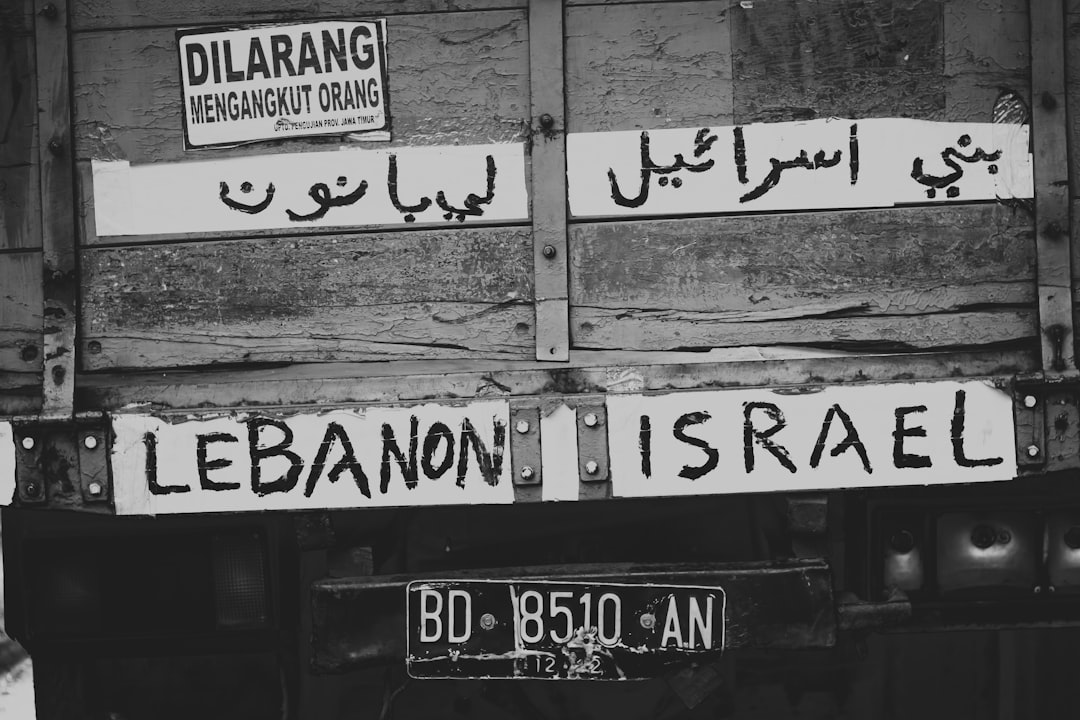
Lebanon reported 380 people have been killed in Israeli attacks since an April 17 ceasefire agreement took effect, according to Lebanese officials, with the latest strikes killing two rescue workers in the southern city of Nabatieh on May 12.
The targeting of emergency responders marks a troubling escalation in what Lebanese authorities characterize as systematic violations of the month-old ceasefire. The two rescuers were killed while responding to an earlier strike, according to Lebanese security sources. Funerals held May 13 in Nabatieh drew hundreds of mourners from the local community.
In this region, today's headline is yesterday's history repeating.
The casualty toll since mid-April represents an average of more than 14 deaths per day, undermining the ceasefire framework negotiated with international mediation. Lebanese officials have documented dozens of alleged violations since the agreement was signed, though Israel maintains it conducts strikes only in response to security threats.
The deliberate targeting of rescue personnel—protected under international humanitarian law—has drawn particular concern from aid organizations operating in southern Lebanon. Civil defense teams have increasingly found themselves caught between ongoing military operations and their mandate to provide emergency services to civilian populations.
Hassan Fadlallah, a Lebanese parliamentarian from the south, condemned what he called "a pattern of attacking those who serve their communities." He noted that rescue workers, medical personnel, and civil defense teams have faced repeated strikes while performing their duties since the conflict began.
The April 17 ceasefire was intended to establish a framework for de-escalation along the Lebanese-Israeli border, where tensions have remained high following months of cross-border exchanges. The agreement called for both sides to cease offensive military operations and for Lebanese authorities to increase security presence in southern border areas.
However, implementation has been marked by mutual accusations. Israel has cited what it describes as continued militant activity in southern as justification for strikes, while Lebanese officials argue the Israeli military has violated the ceasefire's core provisions by conducting attacks on Lebanese territory.