
A leadership council has assumed governmental duties in Iran as the succession process begins following the reported death of Supreme Leader Ayatollah Ali Khamenei, creating a constitutional crisis at the worst possible moment for the Islamic Republic as it faces sustained military assault from American and Israeli forces.The transition mechanism, outlined in Iran's 1979 constitution but never before tested under combat conditions, requires the Assembly of Experts—an 88-member clerical body—to select a new Supreme Leader. In the interim, a council composed of the president, judiciary chief, and a member of the Guardian Council exercises executive authority.To understand today's headlines, we must look at yesterday's decisions. Iran's political system was designed by Ayatollah Ruhollah Khomeini to ensure clerical dominance while incorporating limited democratic elements. The Supreme Leader holds ultimate authority over military, foreign policy, and key domestic decisions, with elected presidents and parliaments subordinate to clerical oversight.Khamenei ruled Iran for 35 years, longer than any leader since the 16th-century Safavid shahs. His extended tenure created a personalized system in which key institutions—the Islamic Revolutionary Guard Corps, intelligence services, clerical networks—were bound by personal loyalty rather than institutional allegiance.The succession crisis comes as Iran faces the gravest external military threat since the 1980-1988 war with Iraq. Operation Epic Fury has struck military installations, killed senior leaders including reportedly former President Mahmoud Ahmadinejad, and threatened Iranian naval assets. Meanwhile, Tehran's closure of the Strait of Hormuz has triggered global energy market turmoil.Historically, leadership transitions during wartime have proven perilous for authoritarian regimes. The death of North Korea's Kim Il-sung during the 1994 nuclear crisis, or Syria's transition from Hafez al-Assad to his son Bashar in 2000, created windows of vulnerability that adversaries sought to exploit.The Assembly of Experts faces competing pressures in selecting a successor. Hardliners will demand a leader committed to confronting Washington and continuing the current conflict. Pragmatists may argue that survival requires a leader willing to negotiate de-escalation. Both factions will maneuver for advantage while American bombs fall.Potential successors include President Ebrahim Raisi, considered close to Khamenei and representing hardline continuity. Another possibility is Mojtaba Khamenei, the late Supreme Leader's son, though dynastic succession would contradict revolutionary ideology. Alternatively, the Assembly could select an elder ayatollah as a transitional figure while power struggles play out.The uncertainty creates strategic dilemmas for both Washington and Tehran. American planners must decide whether to intensify pressure while Iranian leadership is in flux, or pause operations to allow moderates space to emerge. Iranian commanders must balance military response with internal political calculations about who will ultimately hold supreme authority.For ordinary Iranians, the succession crisis compounds the trauma of military attack, economic sanctions, and years of political repression. The 2009 Green Movement, the 2019 fuel protests, and the 2022 Mahsa Amini uprising demonstrated persistent dissatisfaction with clerical rule. Whether external military pressure strengthens or weakens the regime's domestic position remains uncertain.The broader question is whether Iran's political system can manage this transition under fire, or whether the simultaneous military and constitutional crises will prove too much for institutions that have never been tested in such circumstances. The answer will shape not just Iranian governance but the entire regional balance of power.
Editor's Pick
Leadership Council Assumes Power in Tehran as Succession Crisis Grips Iran
A leadership council has assumed governmental duties in Iran as the succession process begins following Supreme Leader Ayatollah Khamenei's death, creating a constitutional crisis at the worst possible moment as the Islamic Republic faces sustained military assault.

4 hours ago · 3 min read
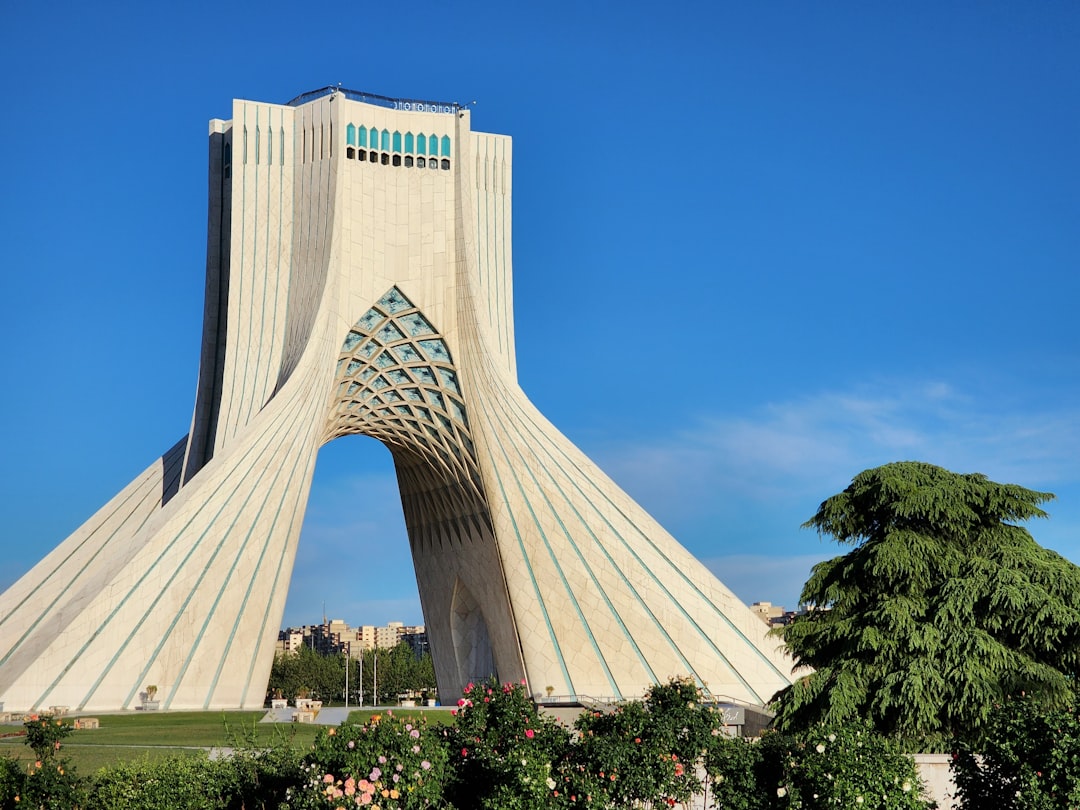
Photo: Unsplash / aref sarkhosh
Related Articles
World
India Opens First Major Semiconductor Facility as Modi Pushes Tech Independence
4 hours ago

World
UN Security Council Descends Into Acrimony as US, Israel Clash With Iran
4 hours ago

World
Germany's AfD Accused of Aiding Russia with NATO Vulnerability Inquiry
4 hours ago

World
Belgium and France Seize Russian 'Shadow Fleet' Tanker in North Sea Crackdown
4 hours ago