
Prime Minister Narendra Modi inaugurated India's first major semiconductor manufacturing facility on Saturday, a $2.75 billion plant operated by American chipmaker Micron that marks a milestone in New Delhi's bid to join the global semiconductor supply chain and reduce dependence on Chinese manufacturing.The facility in Gujarat state represents India's most significant entry into an industry that has become central to great power competition, with semiconductors powering everything from smartphones to advanced weapons systems. The plant will focus on assembly, testing, and packaging of memory chips, with production expected to begin in coming months."This is a historic day for India's technological journey," Modi declared at the inauguration ceremony. "We are not just opening a factory—we are opening a new chapter in India's role in the global technology ecosystem."To understand today's headlines, we must look at yesterday's decisions. The semiconductor industry has become a flashpoint in US-China technological competition, with Washington imposing restrictions on advanced chip exports to China and Beijing investing hundreds of billions in domestic chip production capacity.Taiwan currently dominates global semiconductor manufacturing, producing over 60% of the world's chips and more than 90% of the most advanced processors through Taiwan Semiconductor Manufacturing Company (TSMC). This concentration creates profound strategic vulnerability—any conflict involving Taiwan would devastate global chip supplies and cripple industries from automotive to defense.Western governments and corporations have sought to diversify manufacturing away from Taiwan and China, with major facilities planned or under construction in the United States, Japan, and Europe. India's emergence as a potential manufacturing hub represents another node in this supply chain diversification.The Micron facility benefits from India's semiconductor incentive program, which offers subsidies covering up to 50% of project costs for companies establishing chip manufacturing in the country. The Indian government has approved approximately $10 billion in incentives to attract semiconductor investment.India's advantages as a manufacturing location include a large engineering talent pool, relatively lower labor costs than developed economies, and political alignment with Washington in countering Chinese influence. The country's Quadrilateral Security Dialogue partnership with the United States, Japan, and Australia explicitly includes technology cooperation as a pillar.However, India also faces significant challenges in building a semiconductor ecosystem. The industry requires not just assembly facilities but the entire supply chain—specialized equipment manufacturers, chemical suppliers, logistics infrastructure, and regulatory frameworks that protect intellectual property. Developing this ecosystem will take years and billions in continued investment.The Micron plant focuses on the less technologically advanced segments of chip production—assembly and testing rather than fabrication of cutting-edge processors. More advanced manufacturing requires enormously expensive facilities and technical expertise that India currently lacks.Nevertheless, the facility's opening represents strategic significance beyond its immediate production capacity. It signals that India is a serious participant in the global technology competition and that multinational corporations view the country as a viable manufacturing location for critical technologies.For Modi, the semiconductor push aligns with his broader "Make in India" initiative seeking to transform the country from a service economy into a manufacturing powerhouse. Previous efforts have achieved mixed results, but technology manufacturing offers potentially higher value-added production than traditional industries.The geopolitical context matters enormously. As US-China tensions persist and the Taiwan situation remains volatile, having alternative semiconductor manufacturing capacity in a politically aligned democracy makes strategic sense for Washington and its partners. India positioning itself as that alternative could yield both economic and diplomatic dividends.
India Opens First Major Semiconductor Facility as Modi Pushes Tech Independence
Prime Minister Narendra Modi inaugurated India's first major semiconductor facility, a $2.75 billion Micron plant in Gujarat that marks New Delhi's entry into the global chip supply chain and represents another node in Western efforts to diversify semiconductor manufacturing away from China and Taiwan.

4 hours ago · 3 min read
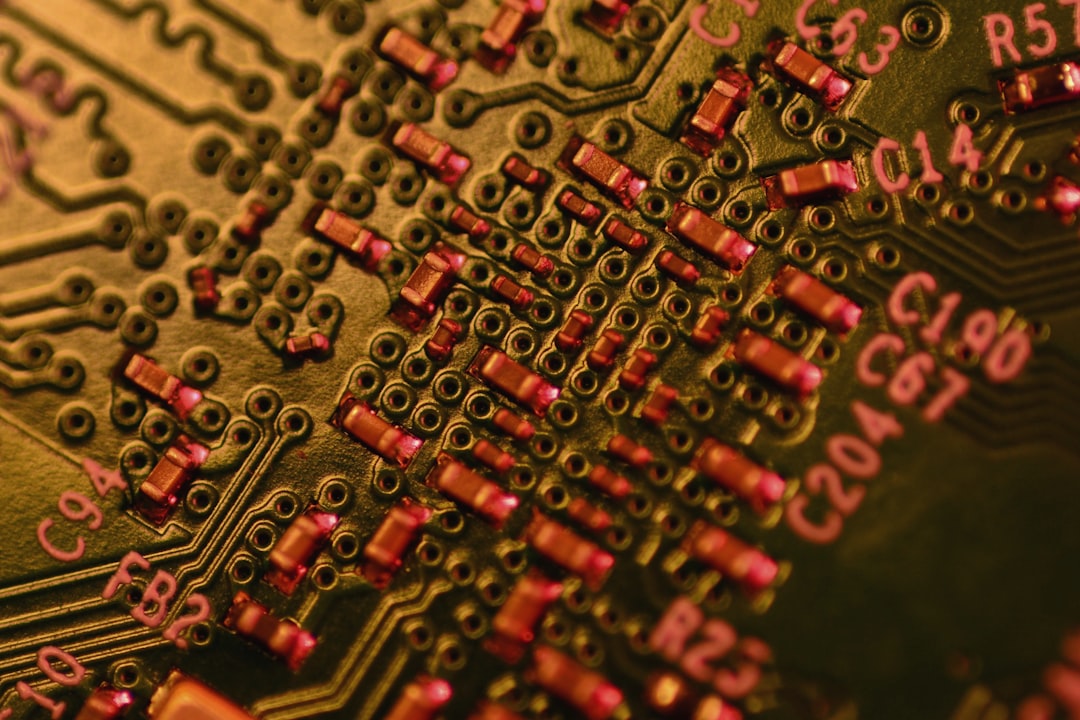
Photo: Unsplash / Akshat Sharma
Related Articles

World
Leadership Council Assumes Power in Tehran as Succession Crisis Grips Iran
4 hours ago

World
UN Security Council Descends Into Acrimony as US, Israel Clash With Iran
4 hours ago

World
Germany's AfD Accused of Aiding Russia with NATO Vulnerability Inquiry
4 hours ago

World
Belgium and France Seize Russian 'Shadow Fleet' Tanker in North Sea Crackdown
4 hours ago