
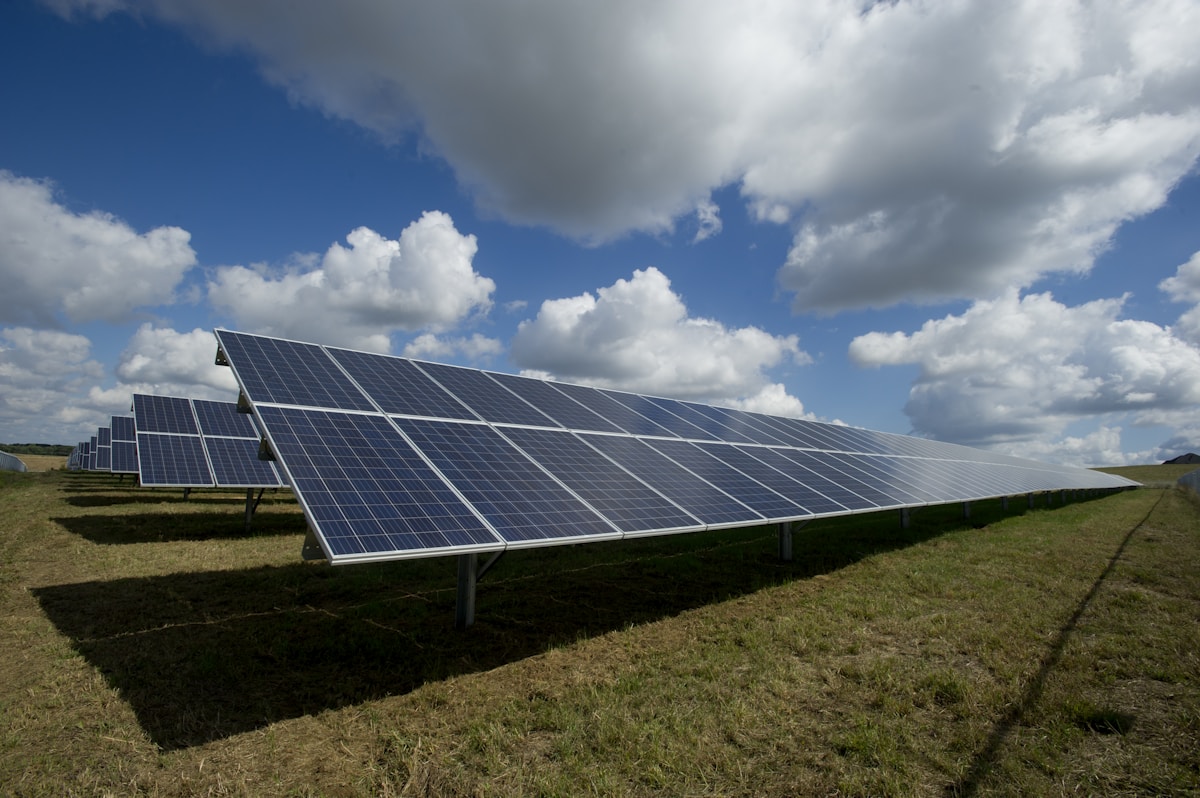
Lagos State has introduced a new tax on solar panel installations, creating controversy as millions of Nigerians turn to self-generation amid chronic power grid failures that leave homes and businesses without electricity for days at a time.
The tax policy, detailed in an opinion piece by Abdulkadir Salaudeen, comes as Nigeria's national grid continues to collapse with alarming frequency—sometimes multiple times per month—forcing citizens and businesses to invest in alternative power sources. The Lagos State government justifies the levy as necessary infrastructure revenue, but critics see it as counterproductive to energy diversification goals.
"This isn't the first time Nigeria has had anti-solar laws," notes the analysis. Enugu State previously attempted similar taxation that ultimately fell through. At the federal level, authorities have repeatedly tried to ban solar panel imports despite Nigeria's minimal domestic manufacturing capacity for photovoltaic technology.
In Nigeria, as across Africa's giants, challenges are real but entrepreneurial energy and cultural creativity drive progress. The solar taxation controversy perfectly captures this contradiction—a government desperate for revenue creating barriers to the very innovation solving infrastructure failures.
Solar installers across Lagos report booming business despite the new tax burden. Chidinma Okonkwo, who manages a renewable energy company in Lekki, explains the economics: "Even with the tax, solar still makes sense. Our clients calculate payback periods of 18-24 months compared to diesel generators. The grid simply cannot be relied upon."
The federal government's stance adds another layer of complexity. Multiple bills have sought to restrict or tax solar imports, with policymakers citing the need to protect nascent domestic manufacturing. Yet Nigeria produces virtually no solar panels locally, making import restrictions effectively a barrier to adoption rather than industrial policy.
Businesses have been particularly aggressive adopters. Lagos hotels, banks, and tech startups now routinely install 50-100 kilowatt systems, treating reliable electricity as a competitive necessity. The city's burgeoning tech sector—home to several unicorn startups—depends entirely on self-generated power.