A major breakthrough in cell-cultivated beef production could liberate vast swaths of grazing land for wildlife habitat restoration, potentially creating the largest conservation opportunity in modern history.
New research demonstrates that lab-grown meat uses up to 90% less land than conventional beef production while requiring 70-80% less water and dramatically reducing greenhouse gas emissions—environmental gains that translate directly into landscape-scale wildlife conservation potential.
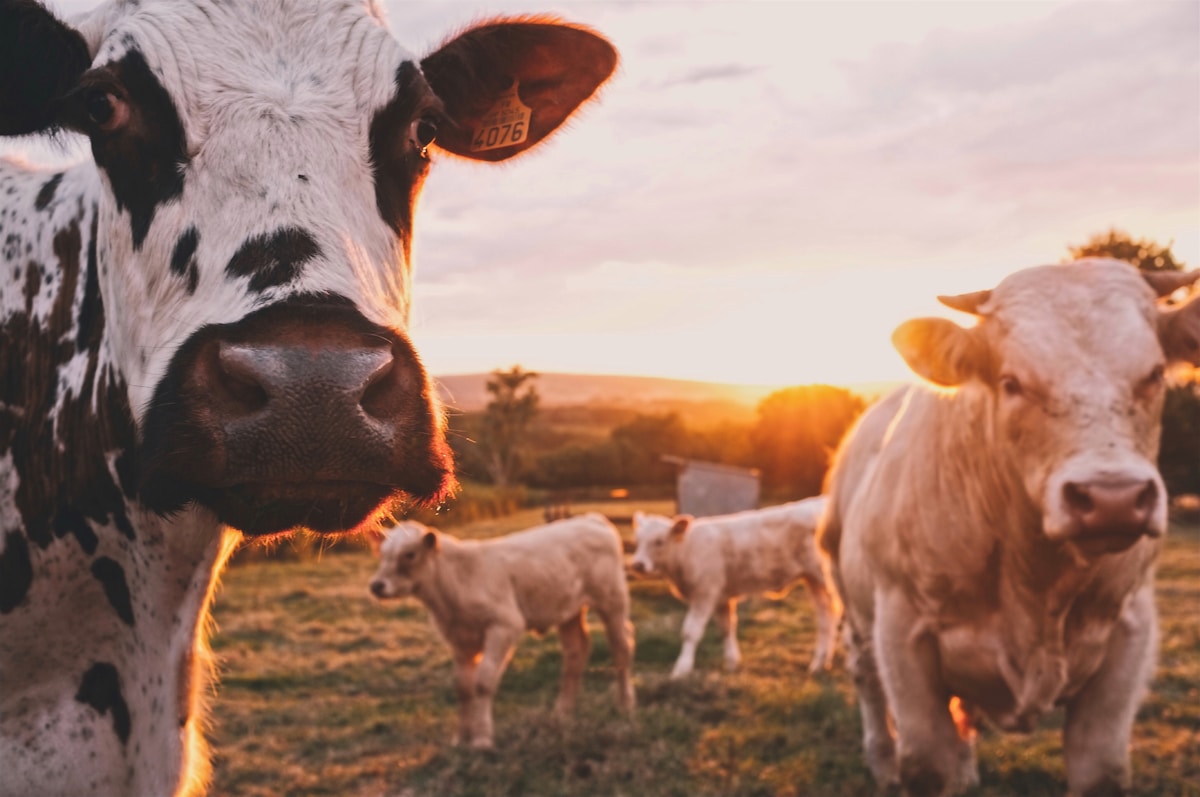
In nature, as across ecosystems, every species plays a role—and humanity's choices determine whether the web of life flourishes or frays. Cattle ranching currently occupies nearly 40% of Earth's ice-free land surface, fragmenting wildlife corridors, degrading ecosystems, and driving species toward extinction across every continent. If cultivated meat achieves commercial scale, that equation could fundamentally shift.
The technology grows animal cells in controlled bioreactors rather than raising livestock, eliminating the need for vast grazing pastures and feed crop cultivation. A recent breakthrough from University College London converted brewery yeast waste into edible scaffold material for cell growth, potentially reducing manufacturing costs and improving scalability—key barriers to widespread adoption.
Companies including Upside Foods, GOOD Meat, and Aleph Farms have demonstrated measurable progress toward commercial production, while Singapore became the first nation approving cultivated meat sales. Regulatory pathways continue developing in the United States and Europe, suggesting the technology may reach broader markets within years rather than decades.
The conservation implications stagger the imagination. Returning even a fraction of current grazing land to natural ecosystems could reconnect fragmented wildlife corridors across North America, South America, and Africa—allowing migratory species to move freely, predators to establish viable territories, and degraded landscapes to regenerate.
Rewilding at continental scale becomes possible when livestock production no longer demands landscape dominance. Grasslands could support diverse herbivore communities rather than monoculture cattle herds. Forests cleared for pasture could regenerate, sequestering carbon while providing habitat for countless species. Riparian zones damaged by overgrazing could recover, restoring water quality and aquatic ecosystems.
The transition would also reduce human-wildlife conflict—a persistent conservation challenge wherever expanding agriculture meets wildlife habitat. When farmers no longer lose livestock to predators, tolerance for wolves, big cats, and other carnivores increases dramatically. Communities benefit economically from wildlife tourism rather than viewing animals as threats to ranching operations.
Conservation organizations recognize the potential. The land footprint of animal agriculture represents the single largest driver of habitat loss globally, surpassing urban development, logging, and mining combined. Technologies that reduce that footprint without requiring dietary transformation could accelerate conservation gains beyond what decades of protection efforts have achieved.
Critical questions remain about scaling production, achieving cost parity with conventional beef, and gaining consumer acceptance. Plant-based alternative proteins like Beyond Meat have underperformed market expectations, demonstrating that environmental benefits alone don't guarantee commercial success. Cultivated meat faces similar challenges requiring substantial capital investment and uncertain adoption timelines.
Yet the conservation case grows stronger as climate change intensifies pressure on remaining wild spaces. Species already stressed by habitat loss, poaching, and pollution face additional threats from extreme weather, shifting ecosystems, and resource competition. Reducing agriculture's landscape footprint provides breathing room for adaptation—space for wildlife to move, ecosystems to adjust, and conservation strategies to evolve.
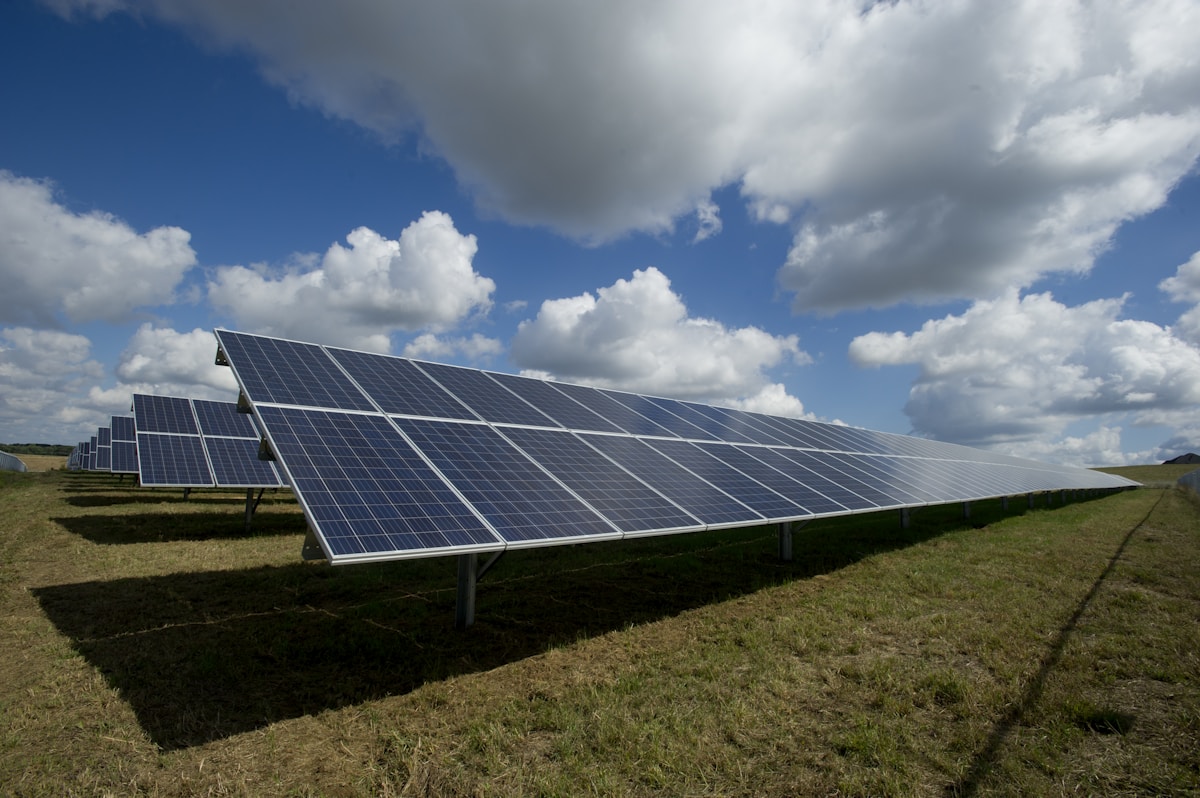
The energy requirements for cell cultivation deserve scrutiny. If bioreactors run on fossil fuels, the climate benefits diminish significantly. But powered by renewable energy, cultivated meat could deliver genuine environmental advantages while freeing vast territories for ecological restoration.
History offers instructive parallels. When synthetic fertilizers reduced land needed for food production in the mid-20th century, the conservation dividend never fully materialized—freed acreage often converted to different agricultural uses rather than returning to nature. Ensuring that reduced grazing land actually becomes wildlife habitat requires deliberate policy frameworks, funded restoration programs, and community engagement in rewilding efforts.
Conservationists must engage proactively with cultivated meat development, advocating for policies that direct freed land toward habitat restoration rather than alternative exploitation. The potential remains extraordinary: reconnecting ecosystems, restoring wildlife populations, and rebuilding ecological networks that industrial agriculture fragmented over centuries.
The breakthrough won't solve all conservation challenges—poaching, pollution, and climate change demand separate interventions. But landscape-scale habitat availability represents the foundation upon which all other conservation efforts build. Without space for wildlife to exist, protection policies become academic exercises managing species toward extinction.
Cultivated meat technology may determine whether 21st-century conservation focuses on preserving remnant populations in isolated reserves or enabling genuine ecosystem recovery across restored landscapes. The choice between those futures depends partly on scientific advancement, partly on market adoption—but ultimately on collective commitment to prioritizing biodiversity over maximizing every available acre for human exploitation.