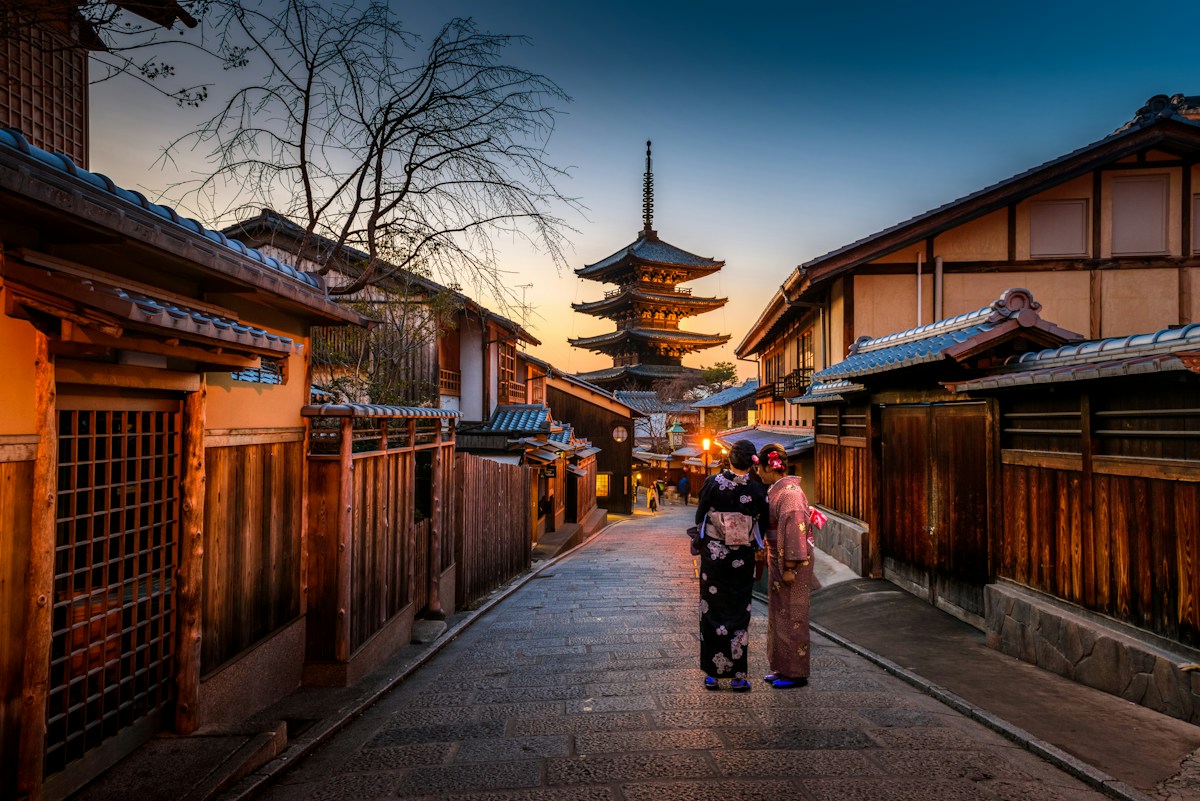
Kyoto during peak autumn is simultaneously magnificent and maddening. While a handful of famous temples become impossibly crowded, dozens of equally spectacular sites remain eerily empty—if you know where to look and when to visit.
A detailed travel report from a visitor who spent three weeks exploring Kansai region during the third week of November reveals the strategy for experiencing Japan's autumn colors without contributing to overtourism at the most vulnerable sites.
"Kyoto does get extremely crowded during peak autumn, but it's mostly just the handful of the most popular sites," the traveler explained. "There are plenty spectacular destinations in and around Kyoto that are quite manageable, to even eerily empty."
The key is strategic timing combined with willingness to venture beyond Instagram hotspots. Popular sites like Tofukuji, Kiyomizudera, and Eikando become crush zones during peak hours. But visit these locations in the pre-dawn hours—many open around 6am during autumn—and you'll have them largely to yourself.
The traveler's recommended approach: visit the popular sites in the wee hours, and plan out the lesser trodden places through the day. This strategy respects both your experience and the preservation of these historic sites, which struggle under the weight of mass tourism.
Kyoto has over 2,000 religious and historic sites, but social media has funneled tourists toward the same dozen locations. The result is that spectacular temples like Enkoji, Nanzenji, and Bishamondo remain comparatively uncrowded even during peak season—offering similar stunning autumn displays without the shoulder-to-shoulder experience.
Practical considerations matter. Each temple costs an average of ¥1,000 ($6 USD), so a ambitious temple-hopping itinerary becomes expensive quickly. Most accept cash only, so budget and plan accordingly. Some popular sites require advance reservations during autumn, and special viewing times for illuminated evening displays may have limited capacity.