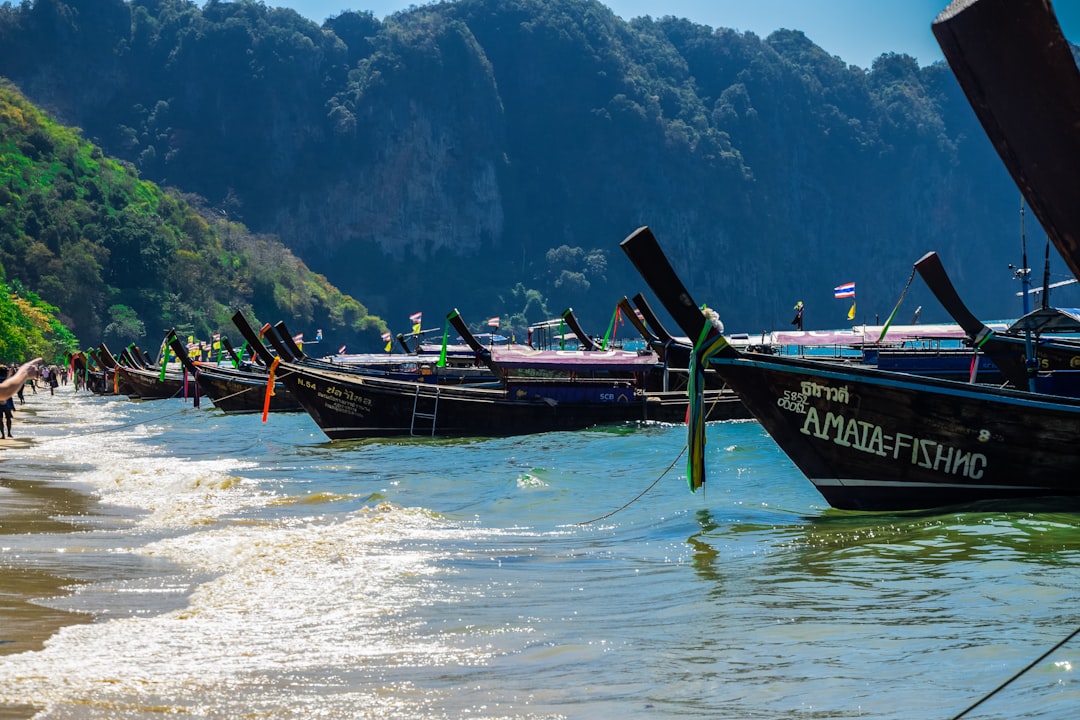
As Bangkok and Chiang Mai become increasingly saturated with digital nomads, couples are looking to Thailand's Krabi region for 1-3 month remote work stays. The shift signals growing interest in Thailand's beach areas as viable long-term bases, not just quick tourist stops.
"My girlfriend and I would love to spend like 1-3 months living in Thailand, since we're gonna be working remote later this year," one poster wrote on r/digitalnomad. "We would like to be in the Krabi region."
This represents a trend worth watching. Thailand's established nomad hubs have become victims of their own success. Chiang Mai now has coworking spaces on every corner and digital nomad meetups multiple times per week—great for community, exhausting if you want something quieter.
Bangkok offers everything a remote worker could want in terms of infrastructure, but the megacity energy isn't for everyone. Extended stays in the capital's heat, traffic, and crowds can be draining.
Krabi offers a different value proposition: beach town atmosphere with growing infrastructure for long-term stays. The region includes Ao Nang, Railay Beach, and numerous islands, providing options for different budgets and vibes.
The practical questions matter most. Nomads looking at Krabi need to assess internet reliability (can you actually work, or just pretend to while the wifi buffers?), accommodation costs for monthly rentals (nightly tourist rates don't reflect long-term pricing), coworking space availability, and the expat/nomad community size.
Cost comparisons to established hubs are illuminating. Chiang Mai monthly costs for comfortable living run around $800-1,200 for a single person, including accommodation, food, coworking, and entertainment. pushes that up to $1,200-1,800 depending on neighborhood and lifestyle.