
South Korea's small and medium enterprises achieved record export performance in the first quarter of 2026, shipping $29.8 billion in goods abroad—a milestone driven primarily by surging demand for cosmetics and semiconductor components.
Yonhap News reported that the export figure represents substantial growth for Korea's SME sector, which employs millions of workers and serves as a critical economic engine beyond the country's dominant chaebols.
The export surge reflects two of South Korea's most successful global narratives: the K-beauty phenomenon that has captivated consumers worldwide, and the country's entrenched position in semiconductor supply chains serving artificial intelligence and consumer electronics demand.
K-beauty drives cosmetics boom
Korean cosmetics companies—many of them small to mid-sized firms—have leveraged social media, K-pop cultural influence, and innovative products to capture significant market share across Asia, North America, and Europe. Skincare routines featuring Korean brands have become mainstream, supported by influencer marketing and the broader "Korean Wave" cultural exports.
The cosmetics success story demonstrates how cultural soft power translates into commercial advantage. Korean beauty standards, popularized through entertainment media, create demand for the products that promise to deliver those results. It's a virtuous cycle where K-drama stars effectively serve as unpaid brand ambassadors for an entire industry.
Semiconductor suppliers ride AI wave
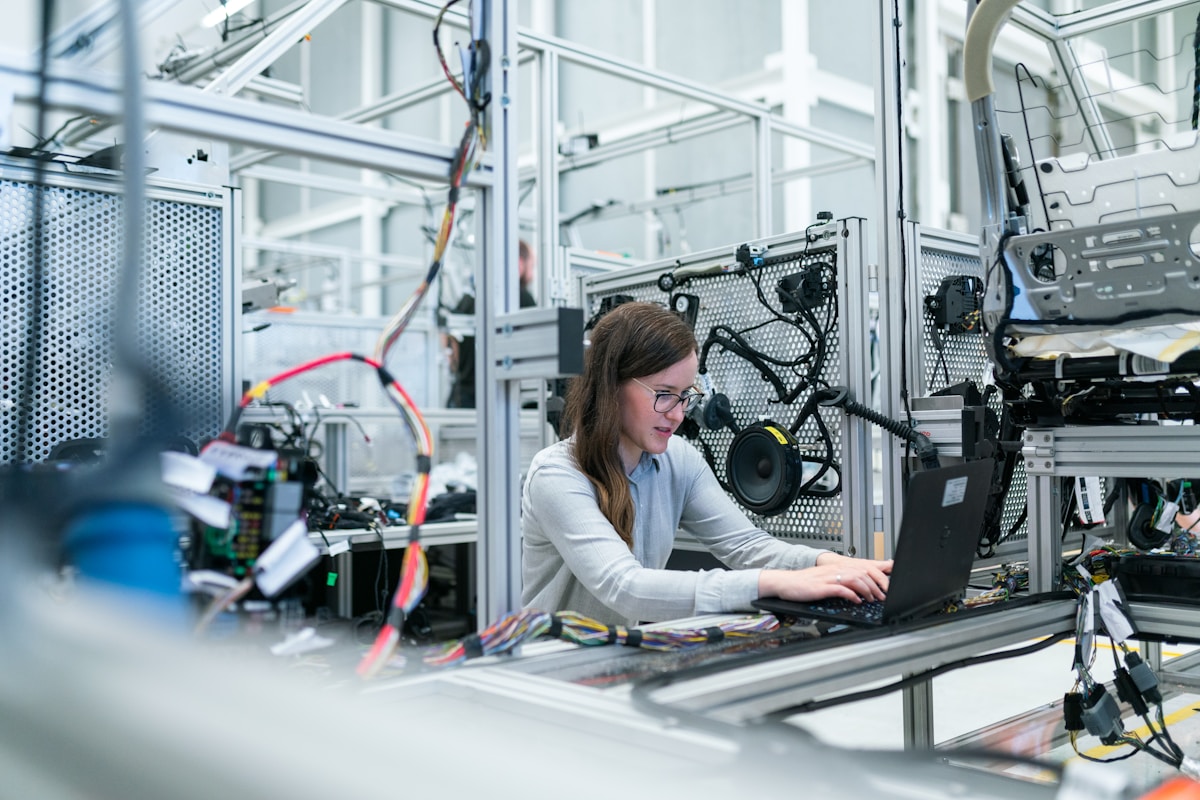
Meanwhile, SMEs supporting Korea's semiconductor giants benefit from the AI chip boom that has enriched companies like SK Hynix and Samsung Electronics. These smaller firms manufacture specialized components, provide precision machining services, and supply materials essential to chip fabrication.
The semiconductor sector's performance highlights Korea's strategic position in global tech supply chains. As major powers compete for chip manufacturing capacity, Korean expertise in memory chips and now high-bandwidth memory for AI applications provides economic resilience and geopolitical leverage.
Concentration risk beneath the success
Yet the export data also reveals structural vulnerabilities. The heavy concentration in cosmetics and semiconductors means Korean SMEs face significant sector-specific risks. A downturn in either industry—whether from changing beauty trends, semiconductor market cycles, or geopolitical disruption—could quickly reverse export gains.
The semiconductor industry is notoriously cyclical, with periods of massive investment followed by painful corrections. Korean SMEs dependent on chip sector demand may find themselves exposed when the current AI-driven boom eventually moderates.
Similarly, the K-beauty wave, while currently strong, depends partly on the continued global popularity of Korean entertainment and cultural products. Shifts in consumer preferences or increased competition from China and Japan could challenge Korean cosmetics exporters.
The chaebol shadow
Korean SMEs also operate in an economy dominated by massive conglomerates. While some benefit from chaebol supply chain relationships, others struggle to compete for talent, capital, and market access. The record export performance largely reflects SMEs serving as suppliers to larger companies rather than independent global competitors.
In Korea, as across dynamic Asian economies, cultural exports and technological leadership reshape global perceptions—even as security tensions persist. The SME export success demonstrates how Korea has diversified beyond heavy industry to capture value in both high-tech manufacturing and culturally-driven consumer goods.
The $29.8 billion quarterly figure represents genuine achievement for Korean small business, providing employment and distributing economic gains beyond Seoul's chaebol headquarters. Yet sustainable growth will require addressing concentration risks, expanding into additional sectors, and developing SMEs that can compete globally on their own brand strength rather than as suppliers to larger firms.
For now, Korean policymakers will celebrate the export milestone while recognizing the underlying fragilities that come with success built on two pillars—however strong those pillars currently appear.