

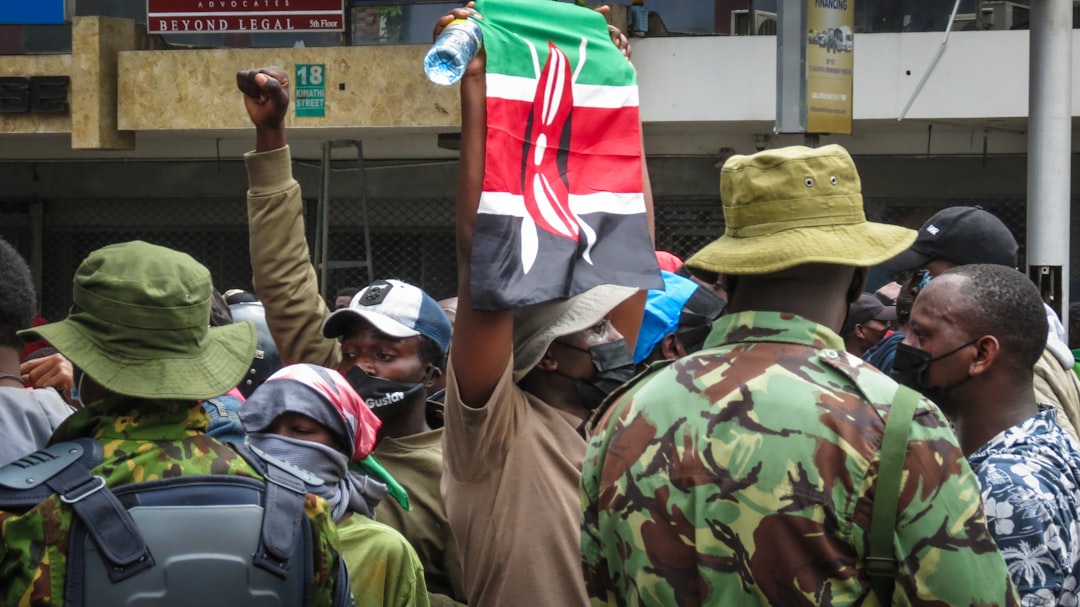
Members of Kenya's Parliament have applied to the Salaries and Remuneration Commission for a new "late allowance" to compensate them for working past 6pm, a move that has sparked outrage among healthcare workers and ordinary citizens who routinely work long hours without additional pay.
United Democratic Alliance MP Julius Chepkonga publicly advocated for the allowance, arguing that legislators who stay late debating bills deserve extra compensation beyond their already substantial salaries.
The proposal has not gone down well. Nurses across Kenya work rotating night shifts in understaffed hospitals, often without overtime pay. Security guards patrol through the night for minimum wage. Journalists cover breaking news at midnight. None receive special "late allowances."
"We work 12-hour shifts, sometimes longer when we're short-staffed, which is most of the time," said Grace Mwangi, a nurse at Kenyatta National Hospital in Nairobi. "Our pay is fixed. There's no extra money for working nights, weekends, or holidays. And we're literally saving lives, not just debating."
Kenyan MPs already receive a basic salary of approximately 710,000 shillings ($5,500) per month, plus numerous allowances for committee work, mileage, and sitting allowances. This puts their total compensation at roughly 1.2 million shillings ($9,300) monthly, not including benefits like medical cover and housing allowances.
By comparison, the average Kenyan earns around 50,000 shillings ($390) per month. A registered nurse's starting salary is approximately 35,000 shillings ($270) monthly.
Seth Panyako, secretary general of the Kenya National Union of Nurses, called the MPs' request "an insult to every healthcare worker in this country."
"Our members are working night shifts in emergency wards, maternity units, ICUs," said.


/file/dailymaverick/wp-content/uploads/Becs-roelfmeyer2.jpg)