A hard-won court victory for Kenya's smallholder farmers is now under threat as the government appeals a ruling that protected their centuries-old practice of saving and sharing indigenous seeds.
The case pits smallholder farmers—who make up the vast majority of Kenya's agricultural workforce—against multinational corporations seeking to criminalize the sharing of non-patented seeds. In a landmark decision, Kenya's courts ruled that farmers have the right to save, share, and replant their own seeds without corporate interference.
But the government is now moving to overturn that ruling.
"Saving seeds and sharing with neighbors is literally how farming has worked here forever," said the founder of SeedShare, a new app built in response to the legal battle. "These corporations want to replace that with patented seeds you buy fresh every planting season. Can't replant, can't share, or you're breaking the law."
The corporate push centers on replacing traditional seed-sharing networks with commercial systems where farmers must purchase new seeds for each planting season. The seeds often come with intellectual property restrictions that make saving or sharing them illegal.
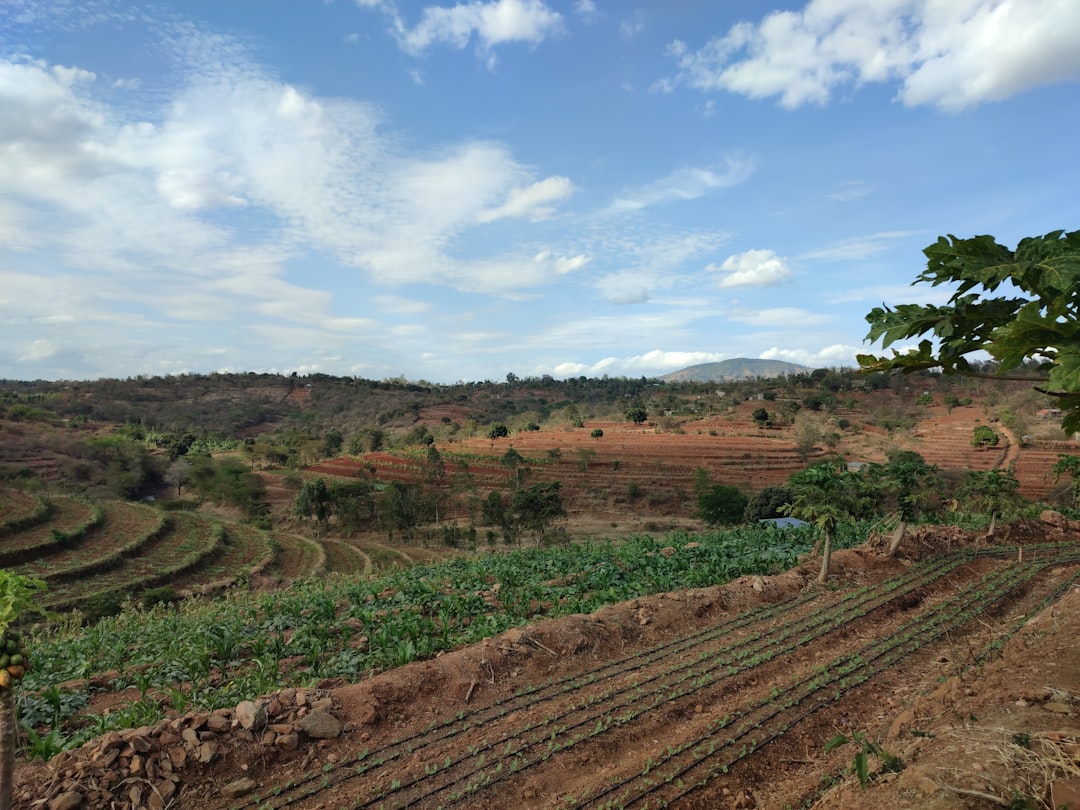
For Kenya's smallholders—many farming plots of just a few acres—such a system would fundamentally reshape agriculture. Seed-saving has been both an economic necessity and a form of agricultural insurance, allowing farmers to select varieties adapted to local conditions and share risk within communities.
The court's original ruling recognized this reality, affirming that farmers' seed practices are protected. The government's appeal challenges that protection.
In response to the corporate pressure, Kenyan developers built SeedShare, a free app designed to facilitate exactly what the corporations want to ban. Users can list seeds they have, find growers nearby, and arrange swaps. Local exchanges within Kenya are completely free, with no platform fees.
"Even if the app isn't your thing, pay attention to this court appeal," the founder urged.